


 tawandamusarurwa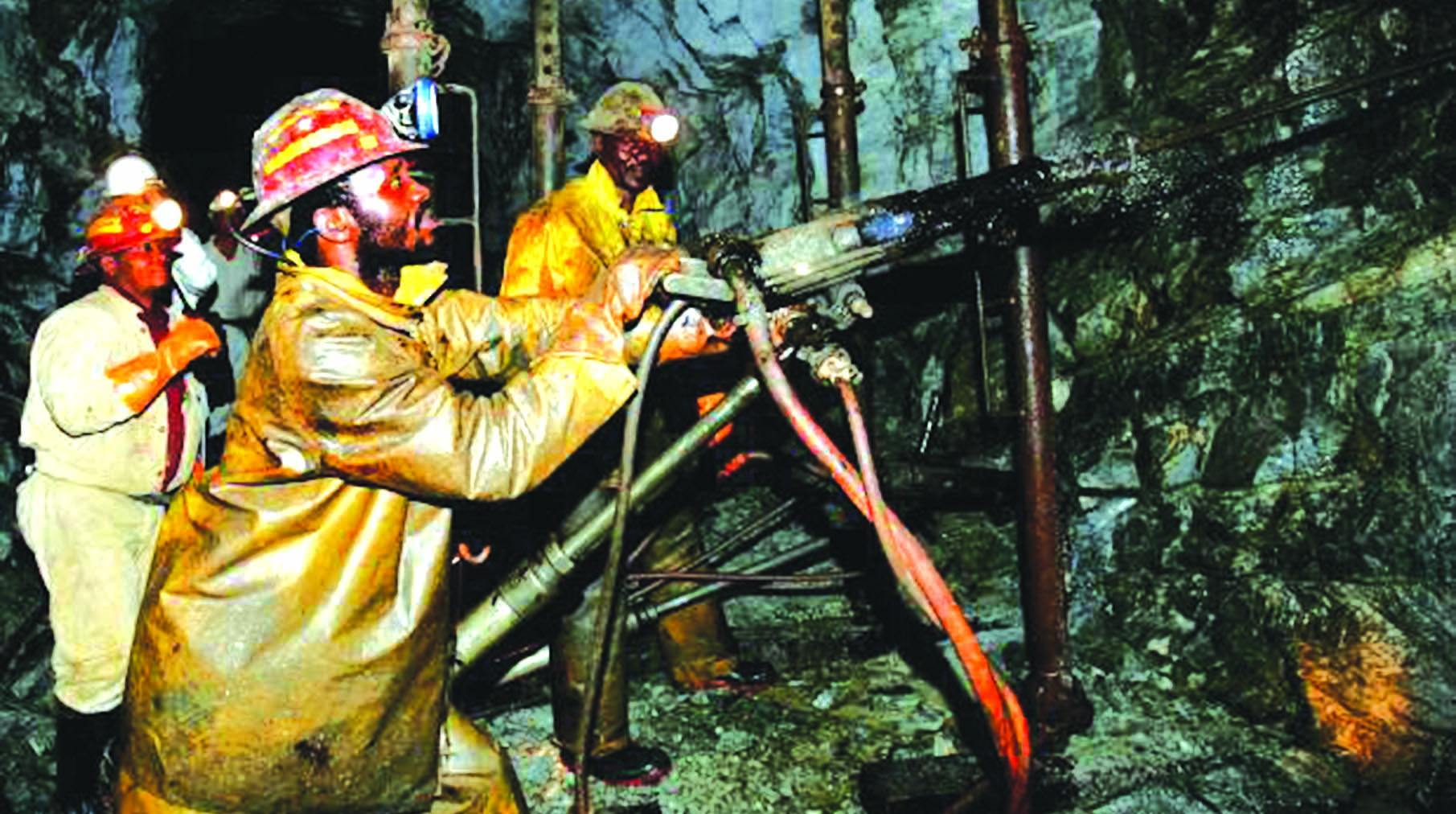
Senior Business Reporter
KUVIMBA Mining House (KMH), in which the Government holds a 65 percent stake, has invested over US$1 billion in various mining operations it acquired a few years ago, helping boost production and create employment for close to 4 000 people.
KMH — which has vast interests in gold, nickel, lithium, chrome and platinum — seeks to resuscitate and develop mothballed mines, as well as boost output in existing operations.
Mining is a key sub-sector in the country’s drive to achieve an upper middle-income economy by 2030.
Since its formation, Kuvimba has acquired several entities such as Bindura Nickel Corporation (BNC); Shamva; Jena; Sandawana; Tiger and Club; Globe and Phoenix; Great Dyke Investments (GDI) in Darwendale; and Zimbabwe Alloys (ZimAlloys).
It also now has interests in Freda Rebecca Gold Mine in Bindura.
In August last year, it signed a management contract to revive Ziscosteel, which was closed in 2008.
KMH chief executive officer Mr Simba Chinyemba said the group was largely involved in turning around operations to unlock value in the long term.
“In terms of the total investment into the acquired entities, more than US$1 billion has been poured and a large part of it is money that we have also organically produced within the company and reinvested in these entities,” he said.
“In total, Kuvimba has close to 4 000 employees directly employed by us, and if all our projects were running, certainly, within the next four to five years, we would expect to see it closer to the 10 000 mark.”
Among the mines that have been successfully revived is Jena, which now produces 40 kilogrammes of gold per month and employs over 800 people following the installation of a new processing plant.
Shamva Gold Mine — which President Mnangagwa officially reopened on December 18, 2020 — now produces nearly 40 000 tonnes of ore per month, which is processed at Freda Rebecca Gold Mine in Bindura.
There are plans to make Shamva the largest open pit gold project in Zimbabwe.
Kuvimba, Mr Chinyemba added, had ramped up output at Freda Rebecca from 50kg per month to between 220kg and 250kg.
“We have also put in new machinery and employed a lot more people in order to get this increase. At BNC, the same thing again.
“It was struggling, but when we took over, we finished a re-deep of the mine, a re-deep that has been going on for almost 17 years. We came in and within a year, we had put in enough money required to get to where it is going.”
Trojan Nickel Mine, owned by BNC, has adopted a new mining strategy premised on extracting high-volume low-grade resource, thereby increasing the life of the mine by at least 12 years, up from three years.
Prior to the acquisition, Trojan’s output had shrunk and it had ominously become a low-volume high-grade mine, focusing only on high-grade deposits that account for 3 percent of the resource.
The mine was operating at roughly 40 percent of its capacity, but under the new business model, the nickel producer seeks to fully use 100 percent of its installed capacity, which translates to one million tonnes of ore processed per annum.
At Sandawana, which had been closed for nearly 15 years, KMH allocated over US$15 million towards exploration, and production started in January this year.
“Up to now, we have stockpiled close to 200 000 tonnes of lithium ore at the mine. We are continuing to do that and our capacity is growing now to almost 140 000 tonnes of mining capacity every month,” added Mr Chinyemba.
“We allocated a budget for Globe and Phoenix Mine, and Tiger and Club Mine for exploration, but we have not yet started operations there because we have been doing a lot of things in a lot of different areas.
“And we want to get it right, so the first thing is to do a lot of exploration in those areas because one of the things that we found about the mines that we took over was the lack of exploration . . .There was a lack of exploration and development for people to actually understand what they are doing, and that’s one of the things (exploration) we have been doing a lot.”
Hope for Great Dyke project
On the Great Dyke Investments platinum project, the mining house intends to start mining in the next six months and is mobilising over US$50 million to start operations.
The project requires an estimated US$500 million in the long term.
“At the moment, Kuvimba is in the process of mobilising the necessary funding for us to actually start mining at Darwendale, which is a GDI project.
“Just to start mining alone, it’s something that could take us well in excess of US$50 million, but to put a processing plant and all those things over a period of time, you will be looking at over US$500 million in the long term.
“Our plan at the moment is that within six months from now we should have started mining,” he said.
Following the exit of Russia’s Vi Holdings, which was a partner in the project, largely due to sanctions imposed after the outbreak of hostilities in Eastern Europe, KMH decided to switch from the initial underground mining strategy to open-cast.
“We also initially had a view of the type of mining we wanted to do, which we have changed, and we are now looking at moving away from an underground approach to an open-pit approach.
“We have now seen that the ore body that we discovered is more susceptible to that (open-pit approach) than the type of mining we initially thought we wanted to do,” said Mr Chinyemba.


 Bongani Ndlovu
 Online Reporter