Online Reporter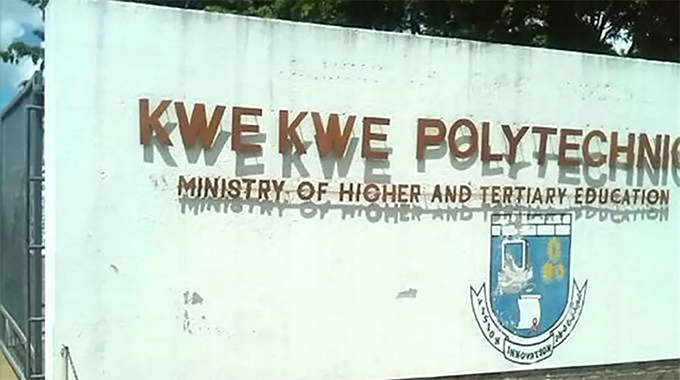
Patrick Chitumba, Midlands Bureau
KWEKWE Polytechnic College is stepping up its role as a hub for innovation, research and skills development, with a growing focus on turning home-grown inventions into commercially viable products while strengthening community outreach programmes.
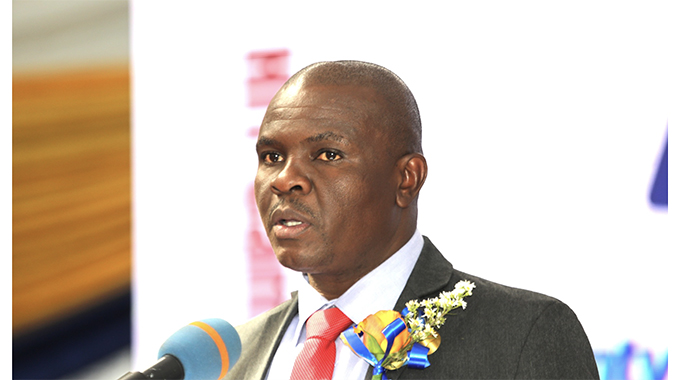
Speaking during the institution’s 2025 graduation ceremony last Friday, the principal, Mr Evans Musara said the college’s investments in capacity building and research funding were yielding visible results.
The event was officiated by the Deputy Minister of Higher and Tertiary Education, Innovation, Science and Technology Development, Simelizizwe Sibanda.
Mr Musara said staff and student research output had increased from six papers in 2024 to 16 this year, with three students and four staff members set to present at the Association of Technical Universities and Polytechnics in Africa (ATUPA) conference in Durban, South Africa, this month, which is a first for the institution.
The college has also rolled out several innovations, including a 4-in-1 silage-making machine, a dialysate mixing machine, an electronic cattle spray race and an electronic bike. Plans to commercialise these projects are already advanced, with memoranda of agreement signed with local authorities for traffic light installation and partnerships with State-owned enterprises for mass production.
“More details about these will not be divulged at this stage due to some non-disclosure agreements we signed,” said Mr Musara.
To drive the commercialisation agenda, Kwekwe Polytechnic has registered student-led companies in construction, motor mechanics, clothing and mechanical engineering. Intellectual property protection is also a priority, with seven patent and utility model applications lodged with the Zimbabwe Intellectual Property Office (ZIPO) and the African Regional Intellectual Property Organisation (ARIPO). The college has also registered its new logo and flag as trademarks.
Six staff members were trained and certified in January by the World Intellectual Property Organisation (WIPO), while two have enrolled for master’s degrees in intellectual property at Africa University.
Mr Musara said 81 percent of this year’s graduates were from STEM fields, aligning with the institution’s mandate as a Centre of Excellence in Electrical and Mechanical Engineering, Installations, Repairs and Maintenance — key skills identified in the 2018 National Skills Audit.
However, gender parity has shifted, with male graduates making up 60 percent, compared to 52 percent last year.
“We are putting mechanisms in place to promote the girl child taking up courses traditionally dominated by men,” he said.
On inclusivity, the principal said the college had enrolled 17 students with special needs this year, acquiring additional assistive devices such as safari Braille kits, magnifying glasses and ramps. Participation in the Ministry’s “Work for Fees” initiative also increased, from seven students last year to 17 in 2025.
Through the Ministry-funded Integrated Skills Expanded Outreach Programme (ISEOP), Kwekwe Polytechnic continues to support communities by transferring skills and delivering infrastructure.
In 2024, the college produced 499 graduates under ISEOP and the Traditional Apprenticeship Programme, with trainees contributing to projects such as a community clinic in Sanyati, a doctor’s residence at Zhombe Mission Hospital and Chief Gwesela’s court in Zhombe.
Thirty-five trainees are undergoing industrial trade testing for journeyman certification.
International partnerships are also expanding, with two students sent to Iran earlier this year for studies in mechanical engineering and environmental health.
Collaborative projects with institutions in China, Namibia and Botswana are in the pipeline, alongside participation in global conferences, including the upcoming ATUPA gathering in Durban.