

 Online Reporter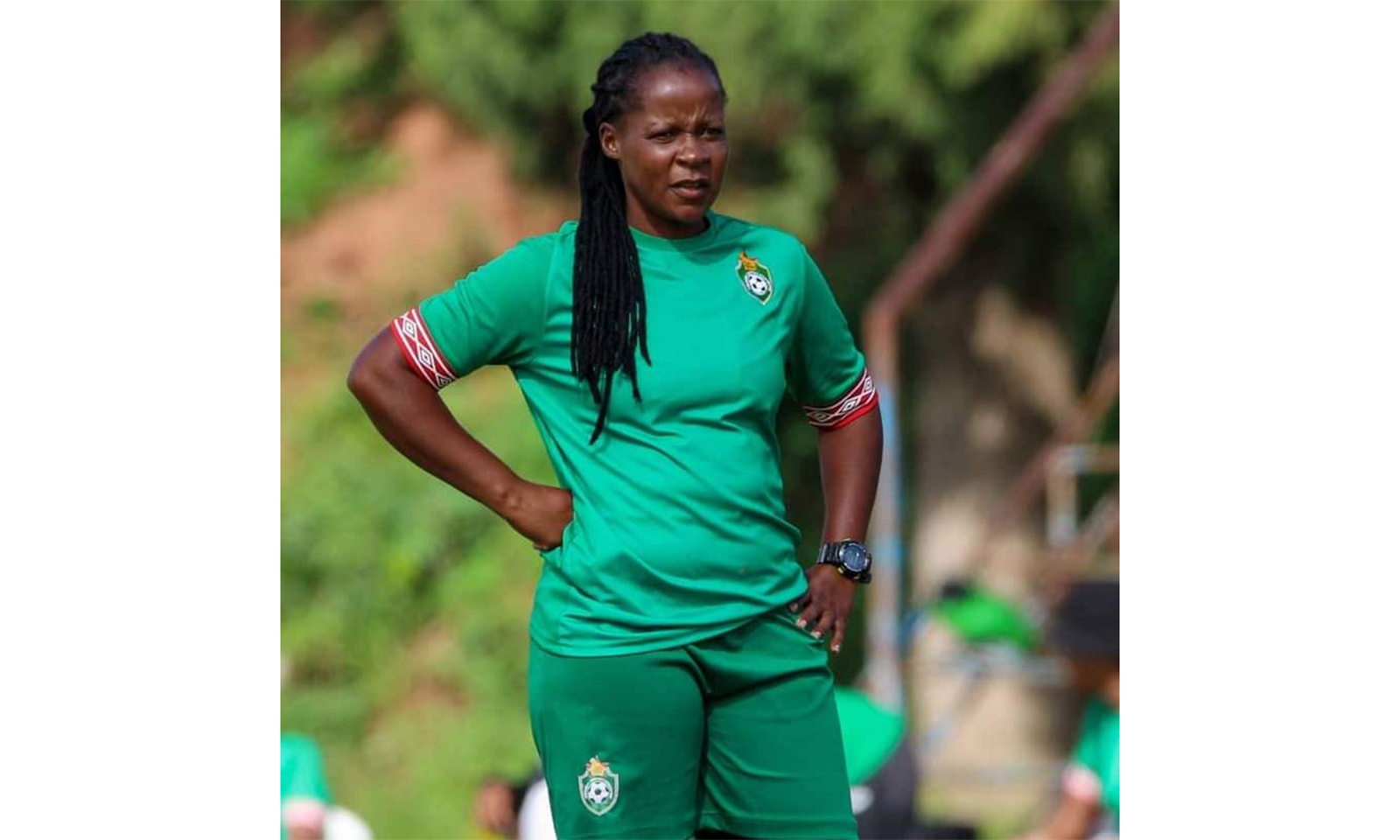
Veronica Gwaze, Zimpapers Sports Hub
BULAWAYO’S own Sithethelelwe “Kwinji 15” Sibanda has truly thrown herself into the task, embarking on a full-blooded mission to breathe new life into Zimbabwean women’s football. With her recent confirmation as the permanent head coach of the national senior women’s team, Sibanda is already cracking on implementing ambitious reforms designed to see the Mighty Warriors reclaim their past glories.
Her appointment late last year ended a prolonged period of uncertainty around the role, and true to form, the respected football tactician — who proudly hails from the City of Kings and Queens — is already stamping her authority on the women’s game.
Once feared across Southern Africa, Zimbabwe have in recent years slipped into mediocrity, and Sibanda believes the path to resurgence lies in building strong grassroots foundations.
“Planning is very critical. We’re now working on a system that gives players a proper development pathway — something that’s been missing for too long. We’re not just focusing on the senior team but all junior levels. For us to build a strong national side, we need players who’ve come through the ranks,” she said.
Sibanda, a former Mighty Warriors player herself, who has served in various coaching roles over the years, is pushing for the reintroduction of functional junior leagues across provinces, including her home province of Matabeleland.
“Some clubs have done well to identify and promote young talent, but we need a structured development system. We can’t have 13-year-olds thrown into elite leagues with seasoned 30-year-olds — it’s not fair to the kids, and it hampers proper growth. I’ve proposed a system with Under-15, Under-17 and Under-20 leagues leading into the elite level,” she said.
Sibanda is well aware that the road ahead won’t be easy, especially given the chronic funding challenges that have long plagued women’s football. But she believes the key lies in making the leagues attractive to sponsors through effective marketing.
“We need dedicated marketing and sponsorship teams that can package the women’s game into a sellable brand. Players want semi-pro and pro contracts like they see in other countries — that’s what motivates them.”
She also called for stronger technical support from Zifa, improved coaching education, and increased international exposure through friendly matches and tournaments.
“We need regular camps and friendlies for all our national teams, especially juniors. Some of our current senior players have overstayed simply because we haven’t prepared their replacements. It’s time to rebuild. Playing against top teams like South Africa or participating in international invitationals will expose our youngsters and help bridge the gap.”
Beyond technical development, Sibanda insists on nurturing players holistically, calling for awareness programmes to tackle drug abuse and promote life skills.
“We need to groom complete players. It’s not just about talent. We need to raise awareness about social issues and career development to secure our athletes’ futures.”
At present, Sibanda is on the road, travelling across the country — particularly in grassroots football hotbeds like Bulawayo — attending women’s matches and scouting for fresh talent.
“I’m visiting zonal, district, and provincial games, and keeping an eye on Naph and Nash school tournaments too.
The goal is to identify talent, recommend players for further nurturing, and collaborate with clubs on training and development. Players spend most of their time with clubs, so we must speak one language in terms of football philosophy,” she said.
From Sizinda to the summit of women’s football, Sibanda remains a proud daughter of Bulawayo. Now, with full reins in hand, she is determined to lead the next Mighty Warriors revolution.
@veronicagwaze


 Bongani Ndlovu