Chronicle Editor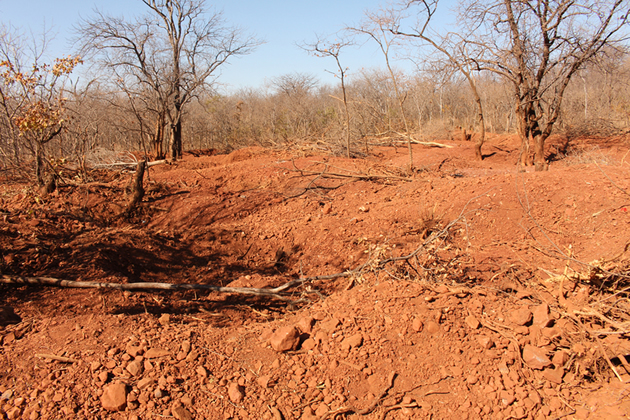
Amos Mpofu, [email protected]
THE Environmental Management Agency (EMA) has raised the alarm that 35,6 percent of Zimbabwe’s land is affected by degradation and is urging communities to stop engaging in activities that contribute to this problem.
The announcement was made on Monday to commemorate World Day to Combat Desertification and Drought under the theme “United for Land. Our Legacy. Our Future”.
EMA’s environmental education and publicity manager, Ms Amkela Sidange, stressed the urgent need for the public to unite in combating the issue of land degradation, which is affecting millions worldwide.
Ms Sidange warned that climate change is a major contributor to desertification and that unsustainable land use practices such as overgrazing, deforestation and poor irrigation methods are also major culprits.
She said addressing the issue requires a co-ordinated approach, including climate change mitigation and adaptation, sustainable land and water management, ecosystem restoration, and support for vulnerable communities.
“Up to 40 percent of the world’s land is already degraded, impacting millions, while approximately 35,6 percent of Zimbabwe is affected by land degradation hence land restoration remains key in reversing this trend and building resilience to climate change, drought and desertification,” she said.
Ms Sidange said preventing land damage is achievable through collaboration and the diligent efforts of responsible individuals.
“The day has been commemorated since 1994 to date to inform people that desertification and drought can be effectively tackled, solutions are possible and strengthened community participation and co-operation at all levels is key in this discourse,” she said.
“The commemoration also aims to strengthen implementation of the United Nations Convention to Combat Desertification in countries experiencing serious drought and/or desertification, particularly in Africa.”
The commemorations complement World Environment Day, another UN environmental day observed on June 5 under the theme “Land Restoration, Desertification and Drought Resilience”.
Desertification refers to the process of land degradation in arid, semi-arid and dry sub-humid areas caused by factors such as climate change and unsustainable human activities. It results in a loss of biological productivity and diversity.
Drought is a prolonged period of abnormally low rainfall, leading to a serious hydrological imbalance and water shortage for various uses, natural ecosystems and human activities. Droughts can be classified as meteorological, agricultural, hydrological and socio-economic.
“Climate change is a major driver of desertification and drought, with rising temperatures, shifting precipitation patterns and increased frequency and intensity of extreme weather events. This puts pressure on land, water and natural resources,” she said.
Ms Sidange said irresponsibility in protecting the environment, which leads to desertification, significantly impacts human livelihoods as well as the well-being of livestock and wildlife on a large scale.


 Online Reporter