Online Reporter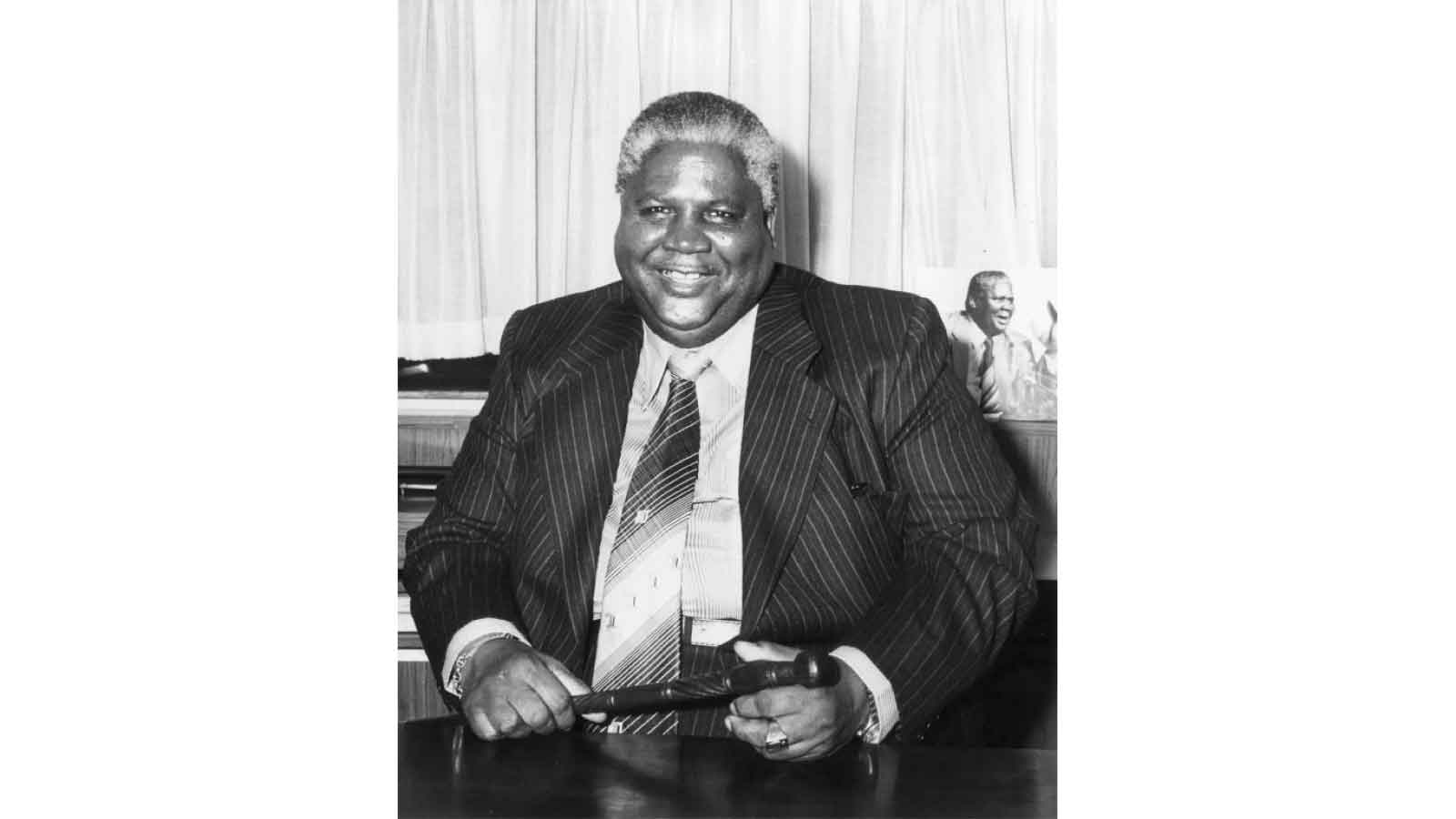
Richard Muponde
Zimpapers Politics Hub
AS Zimbabwe marks its 46th Independence celebrations in Maphisa, the birthplace of the late Vice President Joshua Mqabuko Nyongolo Nkomo, popularly known as Father Zimbabwe, his convictions continue to inspire the present.
His early life in the dusty plains of Kezi was not incidental to his politics; it was foundational. The young herd boy who traversed the harsh landscapes of Matabeleland South absorbed the brutal realities of colonial dispossession.
Later encounters in South Africa, particularly alongside figures such as the late first black president Nelson Mandela and the late ANC president Oliver Tambo, did not merely radicalise him; they sharpened his ideological clarity. Returning to Southern Rhodesia, the late VP Nkomo did not hesitate. He plunged into trade unionism, mobilising black workers against systemic exploitation.
His leadership of nationalist movements, from the ANC to ZAPU, and ZANU PF, signified not just organisational prowess, but an unwavering commitment to majority rule.
The colonial state recognised the threat he posed; bans, arrests, and detentions followed, culminating in his imprisonment at Gonakudzingwa alongside figures like the late President Robert Mugabe.
Yet repression did not silence him. Instead, it hardened his resolve. Father Zimbabwe emerged from detention not broken, but emboldened, ready to escalate the struggle from protest to armed resistance.
The gun and the negotiation: Dual fronts of liberation
The liberation struggle under the late VP Nkomo’s leadership was never simplistic. It was a sophisticated dual strategy that combined armed confrontation with diplomatic engagement.
Through ZAPU’s military wing, ZIPRA, the national hero orchestrated a formidable resistance that shook the Rhodesian regime to its core. The guerrilla war was not merely a military campaign; it was a psychological dismantling of settler colonial confidence.
At the same time, the late VP Nkomo understood that liberation required more than bullets. His participation in negotiations, culminating in the Lancaster House Agreement, demonstrated a pragmatic realism.
He was not seduced by endless war; he sought a decisive victory that would secure independence.
This duality, warrior and negotiator, defined the late VP Nkomo’s revolutionary character. He was neither dogmatic nor reckless; he was strategic, always guided by the ultimate goal of sovereignty.
Land as liberation: The philosophy of “lima to mali”
Perhaps the most profound articulation of the late Father Zimbabwe’s ideology lies in his famous assertion, if you want to become rich, convert the word lima to mali. This was not a mere linguistic play; it was a revolutionary economic thesis.
In that simple phrase, the late VP Nkomo distilled the essence of African Liberation, the transformation of land from a site of exploitation into a source of wealth and empowerment.
For the late VP, land was not just territory; it was identity, dignity, and economic power. Colonialism had dispossessed Africans not only of their land, but of their capacity to generate wealth. By reclaiming land, Zimbabweans could reclaim their future.
This philosophy resonates powerfully in contemporary Zimbabwe, where land reform remains one of the most contested yet defining aspects of post-independence policy. The late Father Zimbabwe’s vision challenges the nation to move beyond mere ownership towards productivity, to ensure that the land becomes a generator of prosperity for the masses.
From conflict to unity: The courage to reconcile
In signing the Unity Accord, he chose nation over personal grievance. This was not capitulation; it was a revolutionary act of reconciliation.
Through merging PF ZAPU with ZANU to form ZANU PF, the late VP Nkomo helped stabilise the country and prevent further bloodshed.
His return as Vice President symbolised not just political unity, but the possibility of healing.
Father Zimbabwe understood that liberation was incomplete without cohesion. Independence without unity would be hollow.
The people’s leader: Humility, humanity and vision
The late VP Nkomo’s enduring appeal lies not only in his political achievements, but in his humanity. He was affectionately called Umafukufuku and Chibwechitedza, names that reflected a deep connection with the people.
The late VP Nkomo did not distance himself from the masses; he remained rooted in their struggles and aspirations.
His leadership style was inclusive, consultative, and grounded in a genuine desire to uplift ordinary Zimbabweans. This is why his legacy continues to resonate across generations. He was not merely a leader of a party; he was a father of a nation.
Kezi as a revolutionary shrine
The decision to hold Independence Day celebrations in Maphisa, Kezi, is profoundly symbolic. It transforms the rural home of Nkomo into a national shrine, a site where history, memory, and ideology converge. This is not just about honouring a man; it is about reconnecting with the foundational principles of the liberation struggle.
Kezi becomes a classroom, teaching Zimbabweans about sacrifice, resilience and the enduring importance of land. It reminds the nation that independence was not given; it was fought for, negotiated, and won through immense sacrifice.