Online Reporter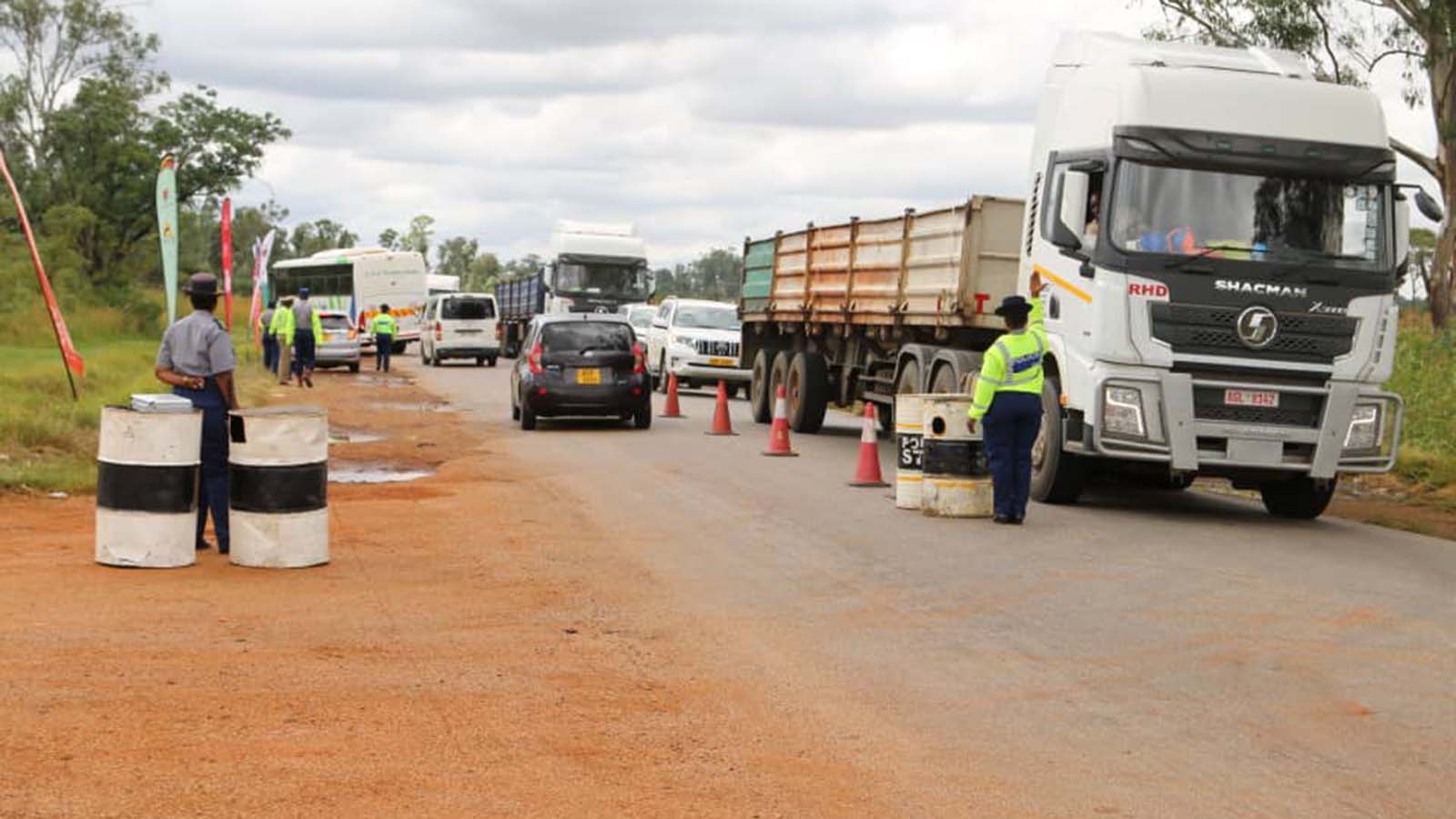
Freeman Razemba
Senior Reporter
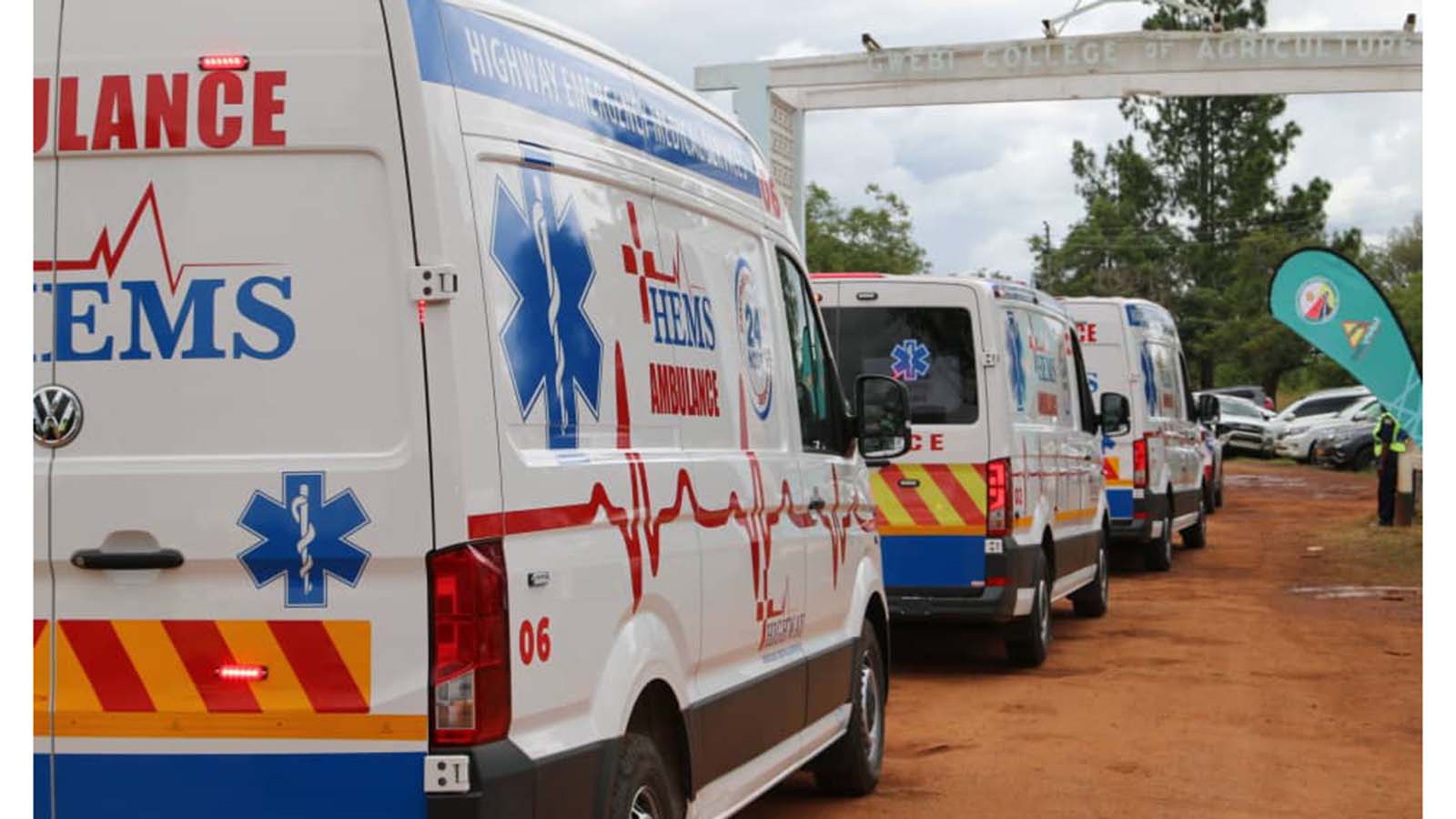
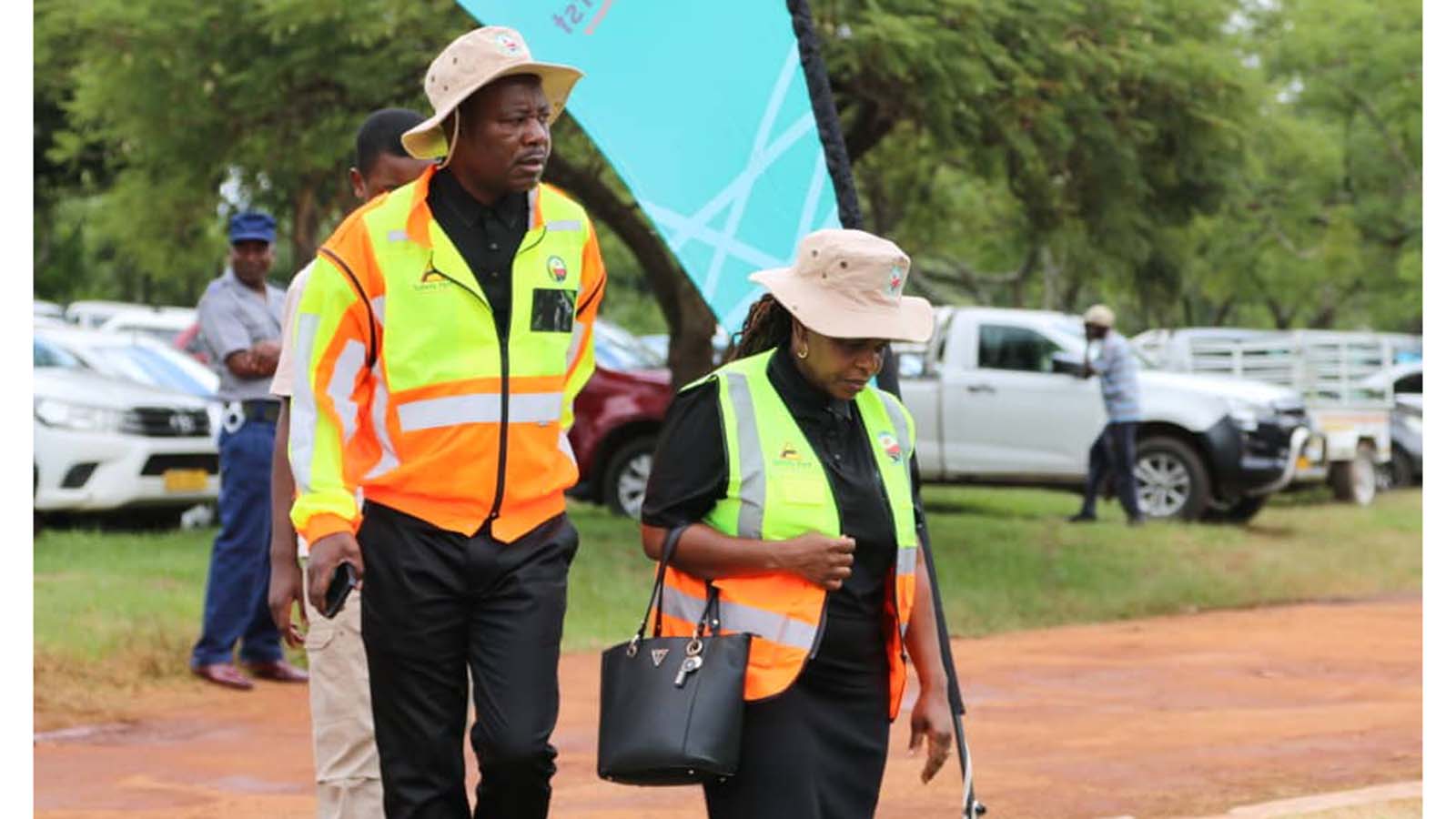
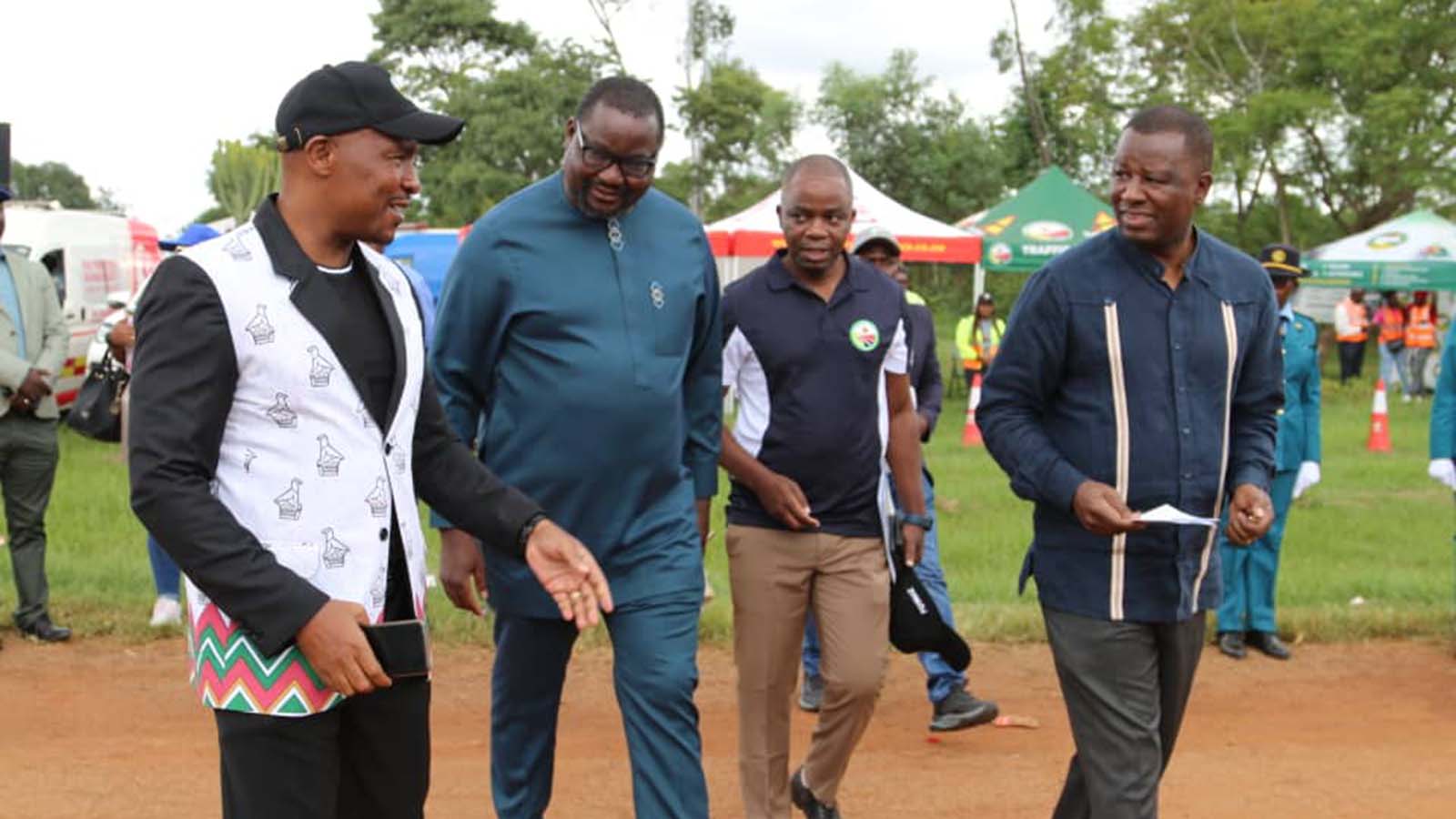
The launch of the Easter and Independence Day road-safety campaign and enforcement operation is currently underway along the Harare–Chirundu Highway at Gwebi College.
Organised by the Traffic Safety Council of Zimbabwe, the launch will be presided over by the Minister of Transport and Infrastructural Development, Felix Mhona.
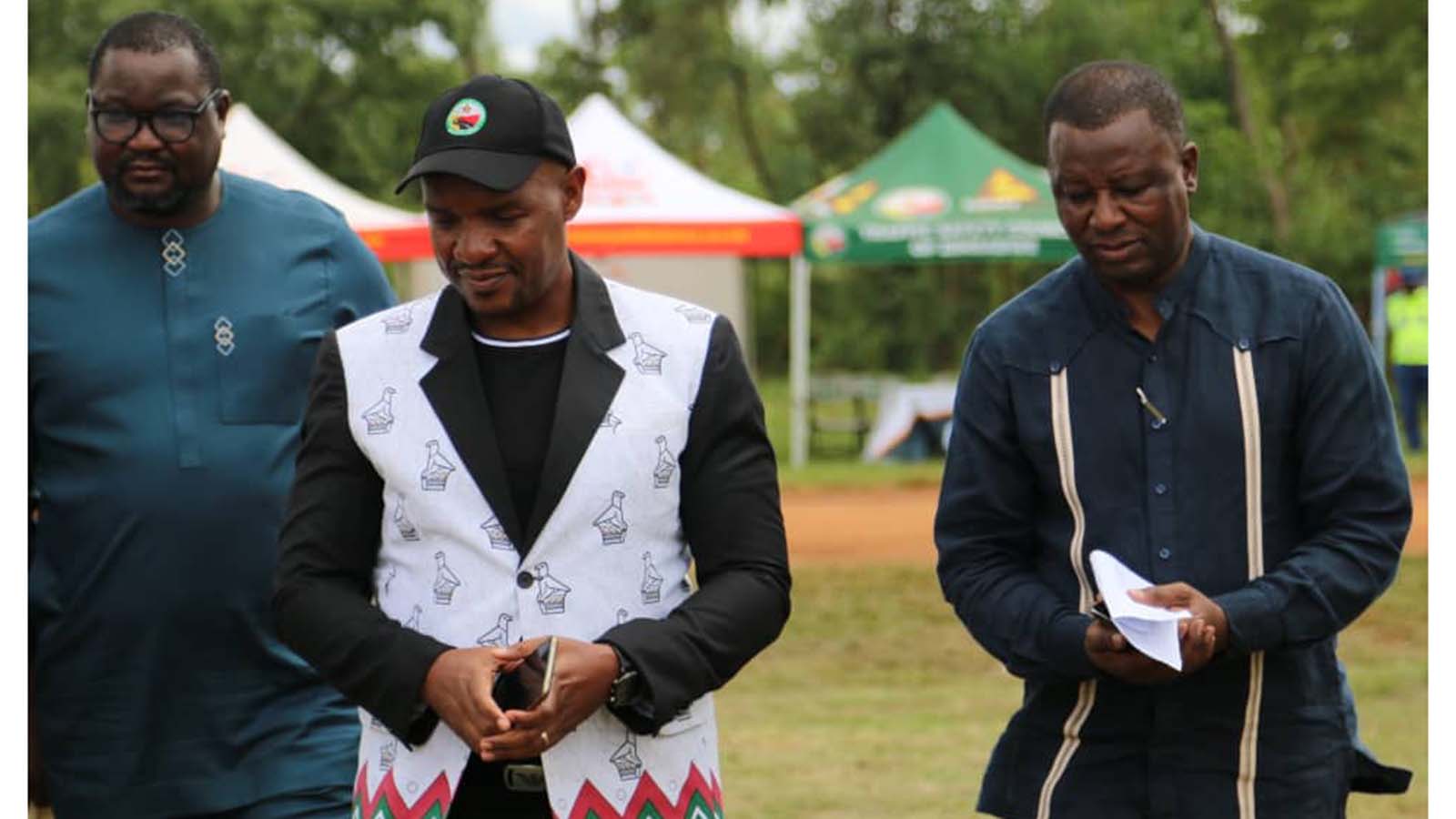

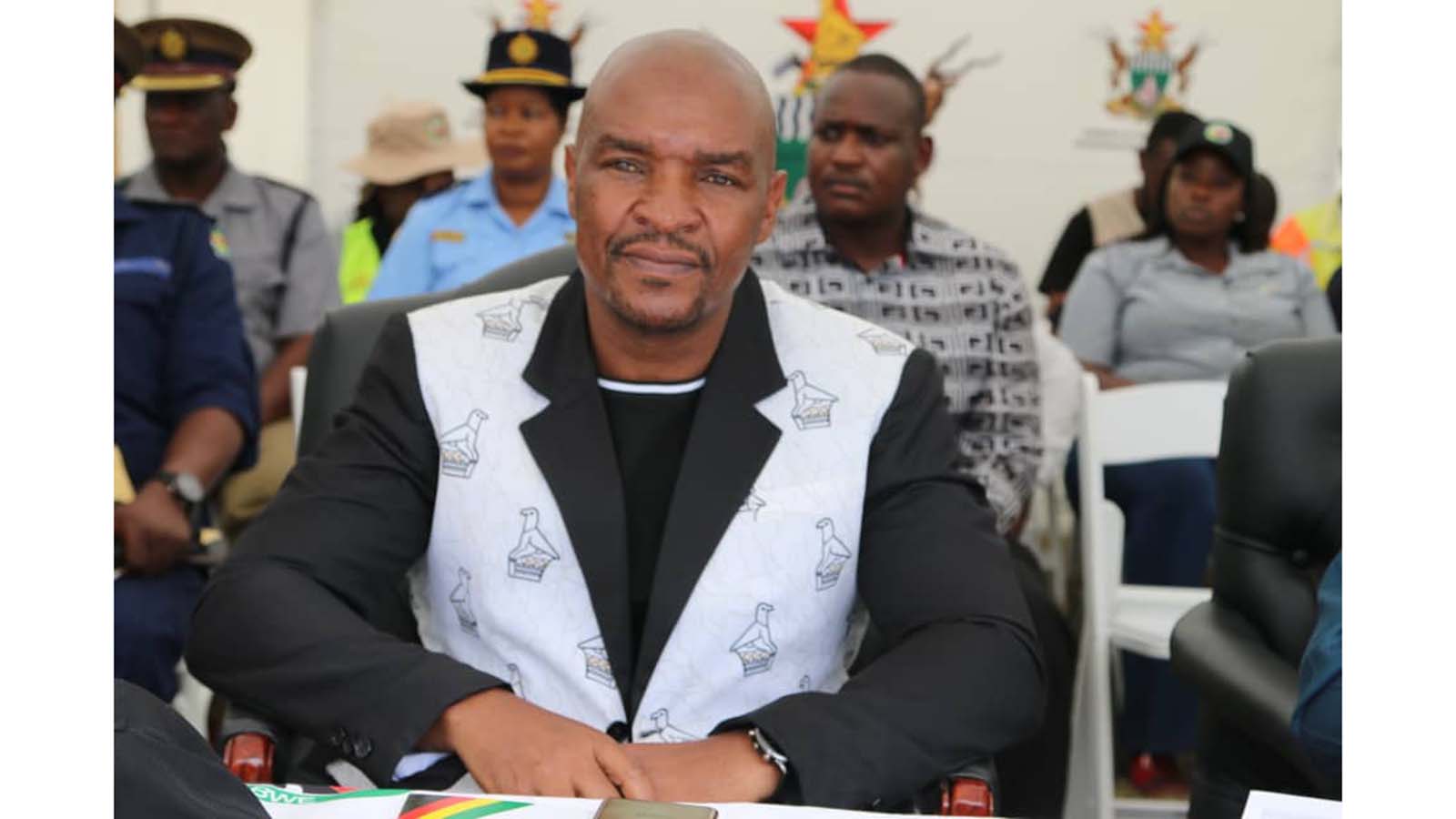
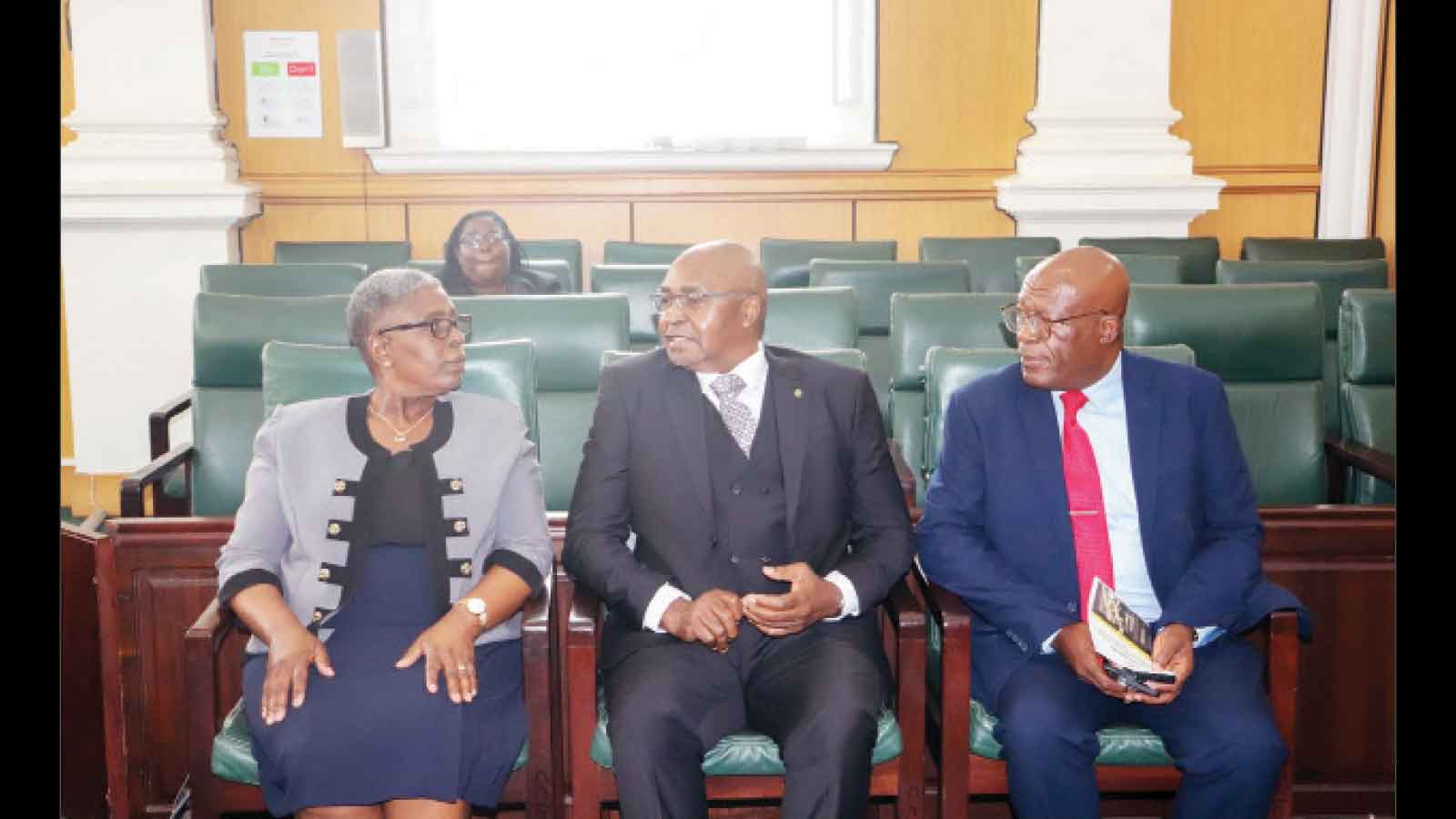
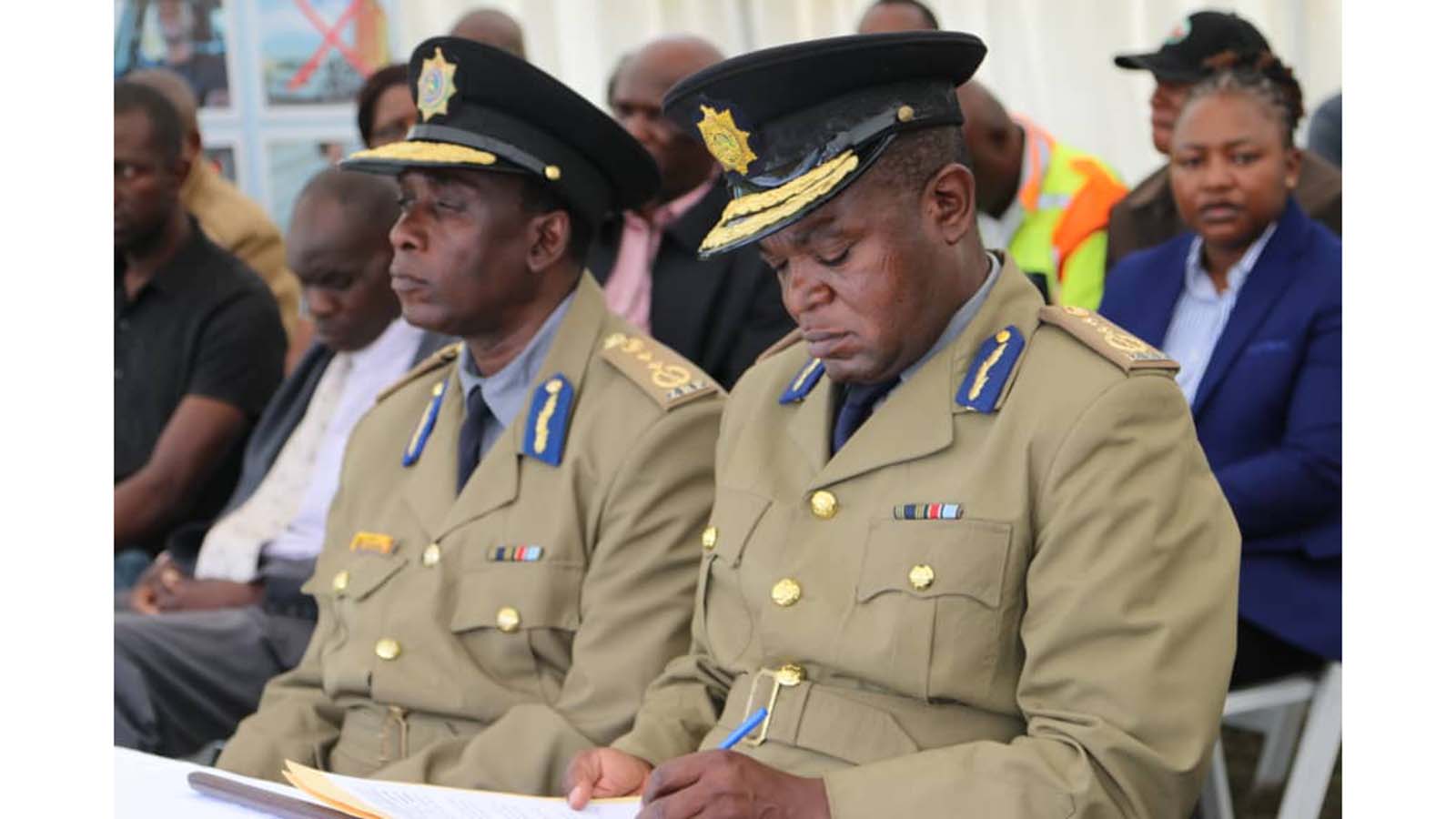
The event is being attended by the Traffic Safety Council of Zimbabwe board chairperson, Mr Kura Sibanda, senior police officers and government officials.
The launch follows Wednesday’s government reaffirmation of its commitment to reducing road traffic accidents and fatalities, with a warning that Zimbabwe continues to lose lives and economic value owing to unsafe roads. The government also officially launched the Safer Roads podcast ahead of the high‑risk Easter holiday period.
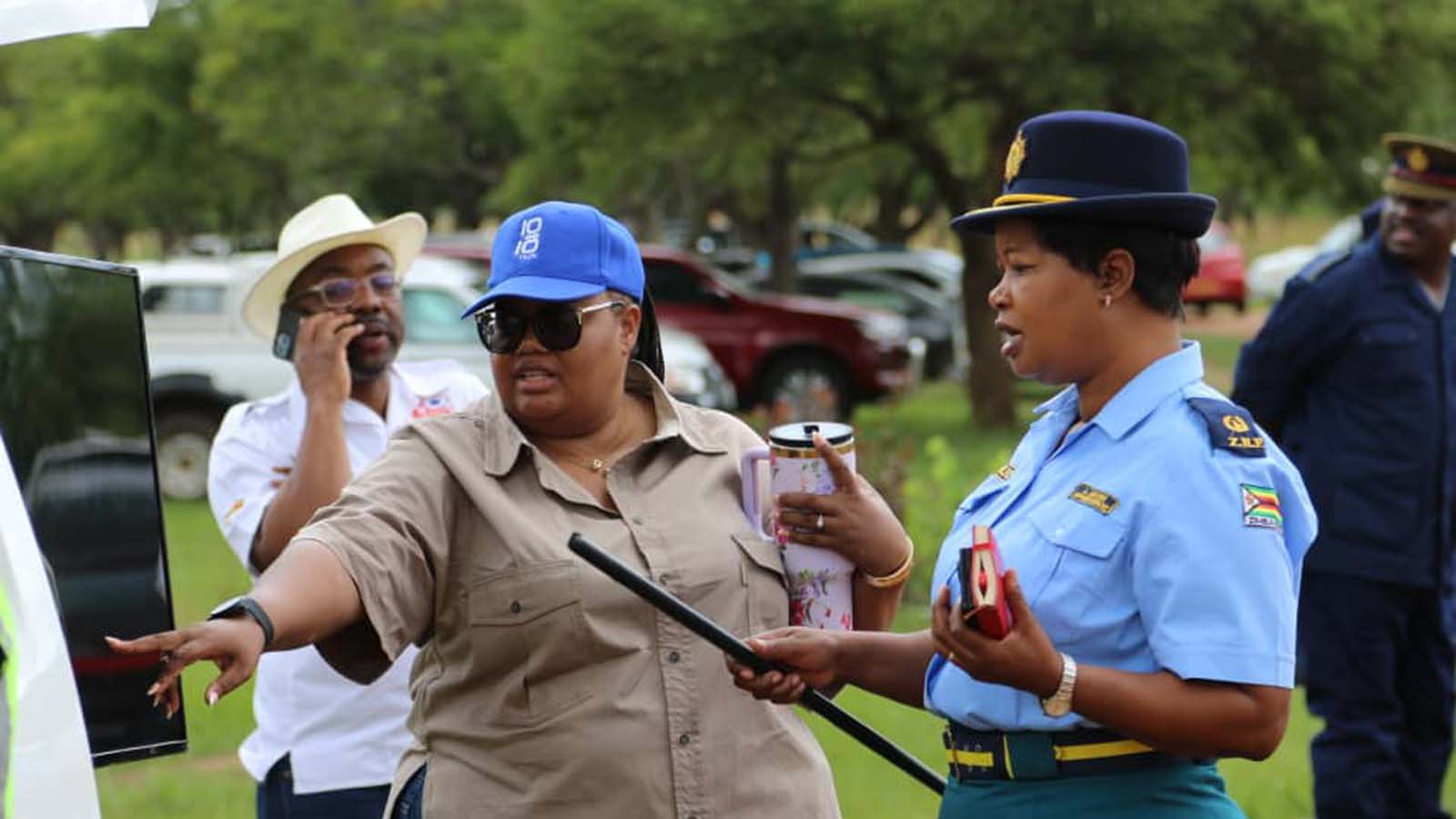
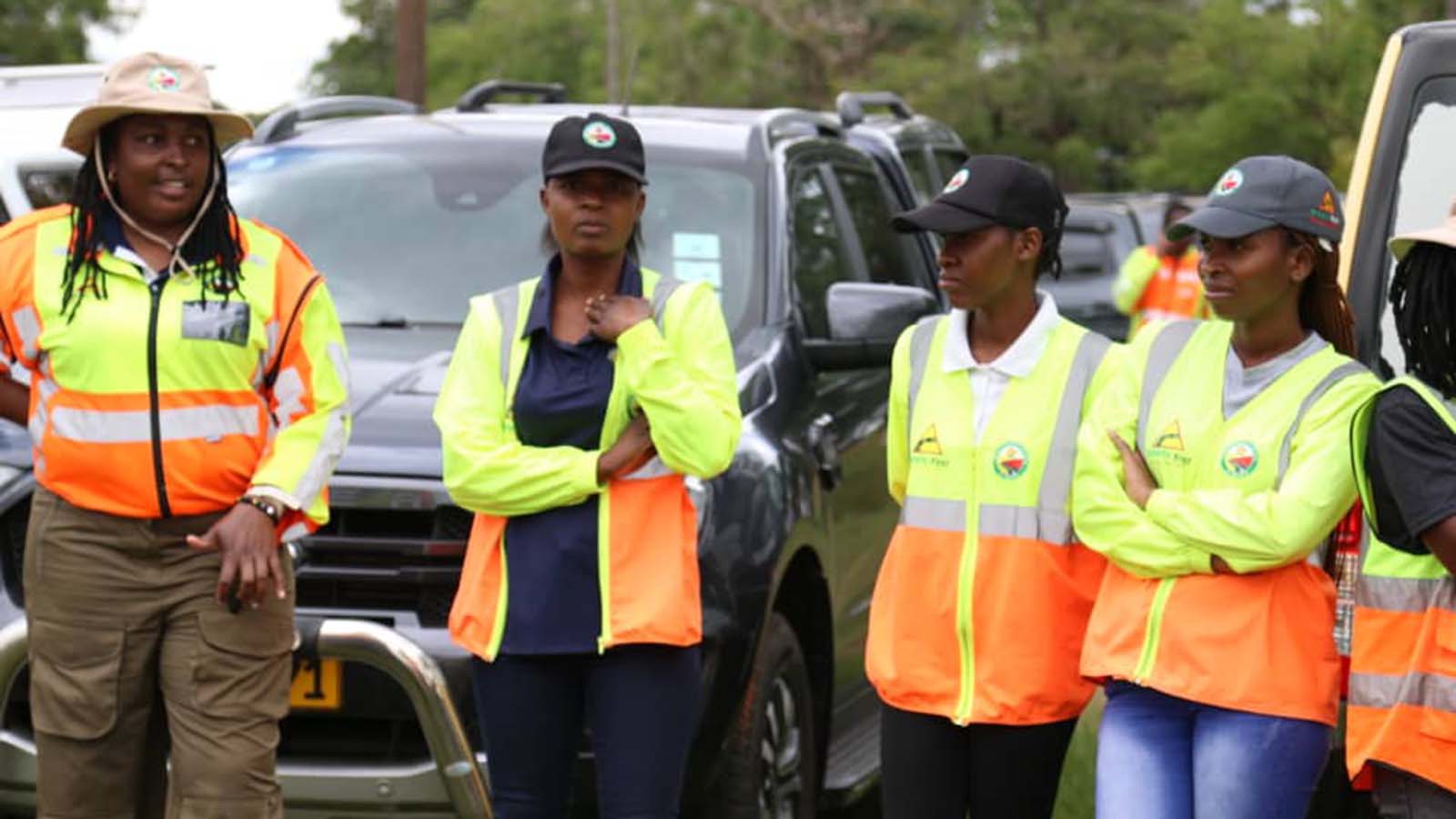
Transport and Infrastructural Development Minister Felix Mhona made the remarks at the launch of the Safer Roads podcast in Harare, where he called for stronger collaboration between business, civil society and the media.
In a speech read on his behalf by the Director of the Vehicle Inspection Department (VID) and Road Motor Transportation (RMT), Mr Allowance Sango, Minister Mhona said the timing of the launch was critical as millions of Zimbabweans prepare to travel.
“The Easter holiday is one of the highest‑risk travel periods on our roads. As citizens journey to be with their families, we must collectively declare that their safety matters,” he said.
He said the government, under the leadership of President Mnangagwa, views road safety as a public‑health emergency, an economic burden and a human‑rights issue.
He noted that Zimbabwe is guided by the United Nations Decade of Action for Road Safety 2021–2030, which targets a 50 percent reduction in road deaths by 2030, and that road safety is a key priority under the National Development Strategy 2 (NDS2).
“Road traffic accidents cost our economy an estimated three percent of GDP annually. Safe roads are therefore both a humanitarian necessity and an economic imperative,” he said.
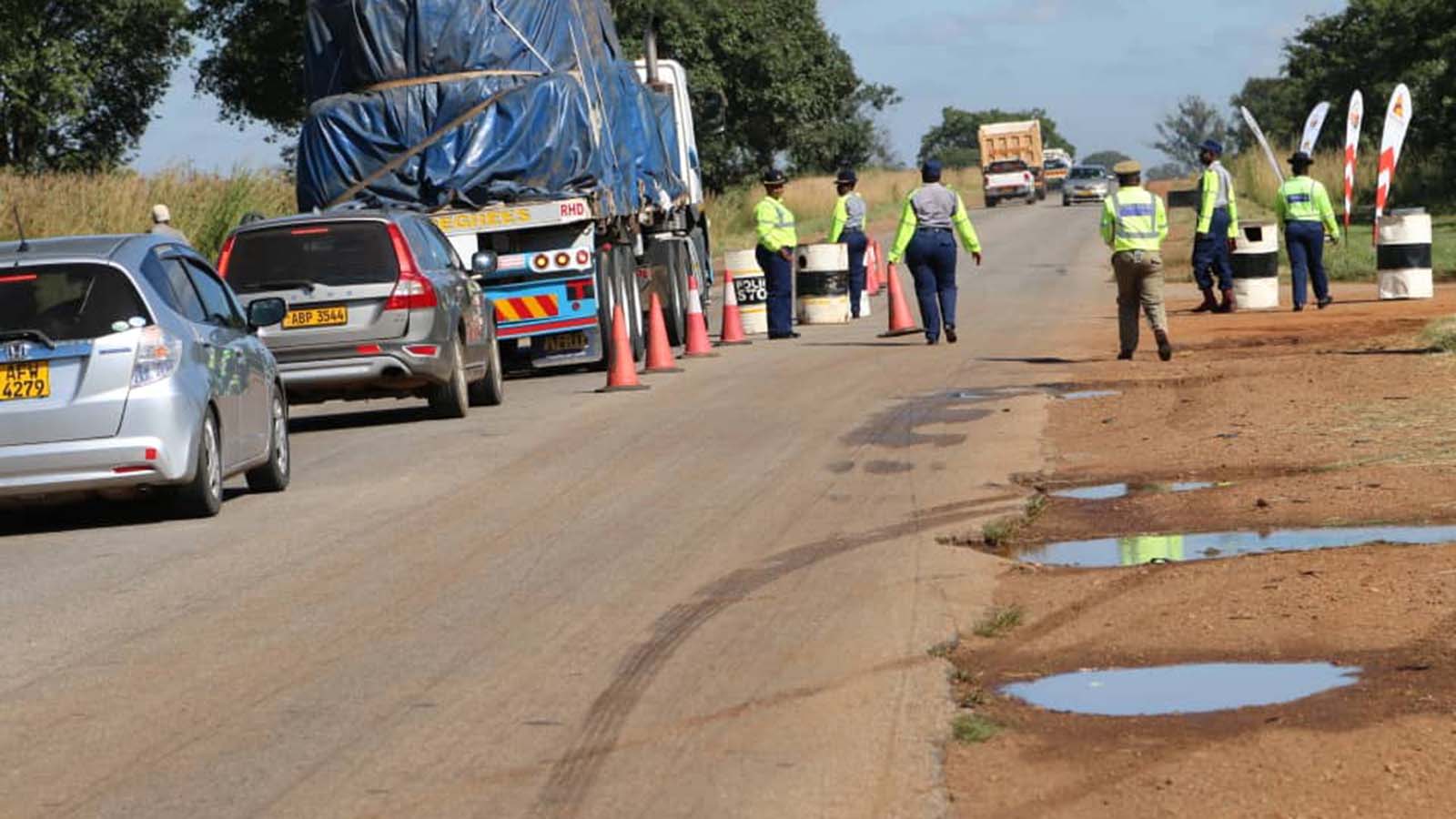
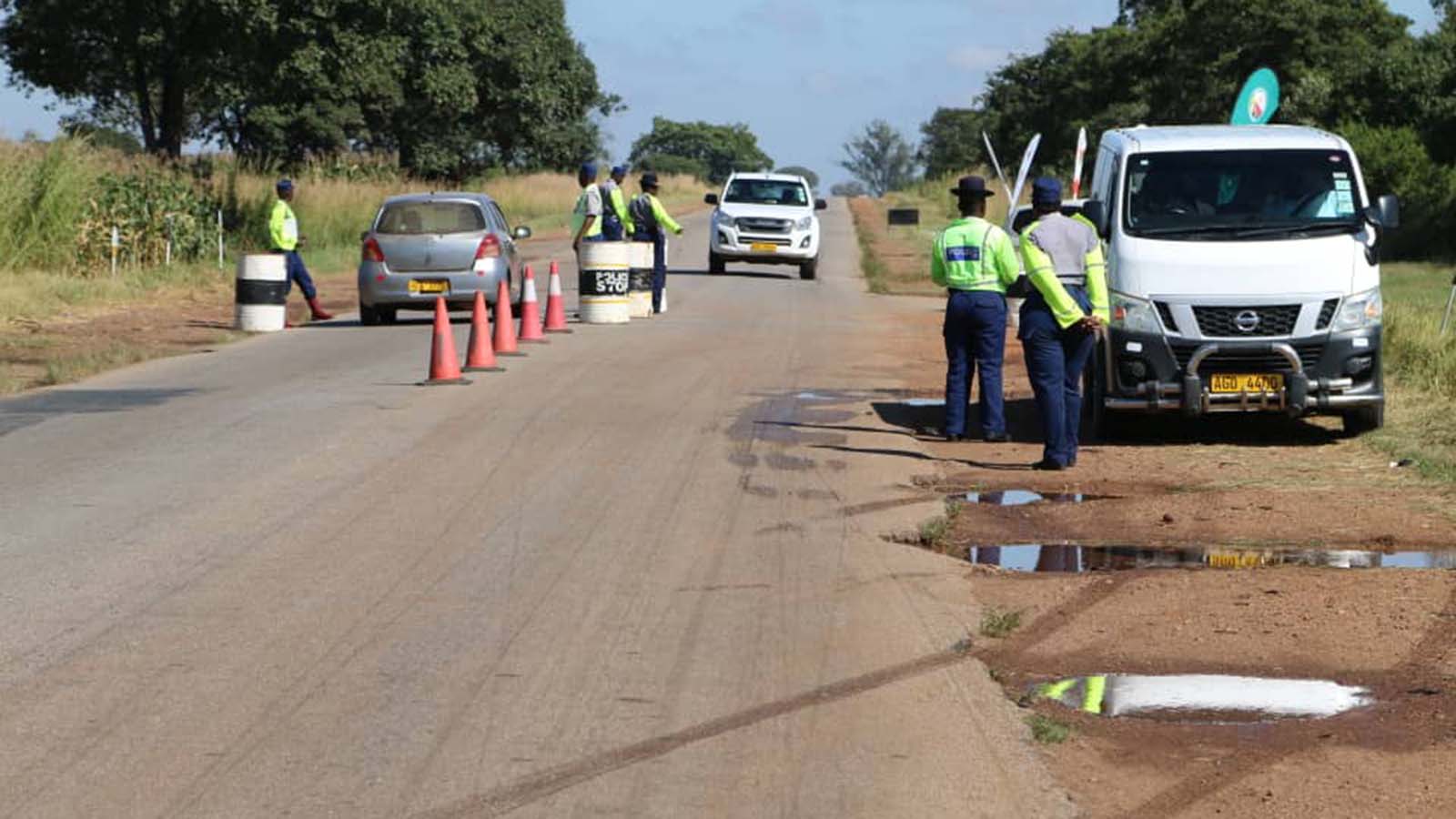
Minister Mhona highlighted progress made by the government, including the rehabilitation of major highways, improved road signage and markings, and intensified law‑enforcement operations such as speed monitoring and sobriety roadblocks in partnership with the Zimbabwe Republic Police.
He added that public education campaigns spearheaded by the Traffic Safety Council of Zimbabwe have reached thousands of citizens, while legislative reforms have introduced stiffer penalties for speeding, drunk driving and mobile‑phone use while driving.