Online Reporter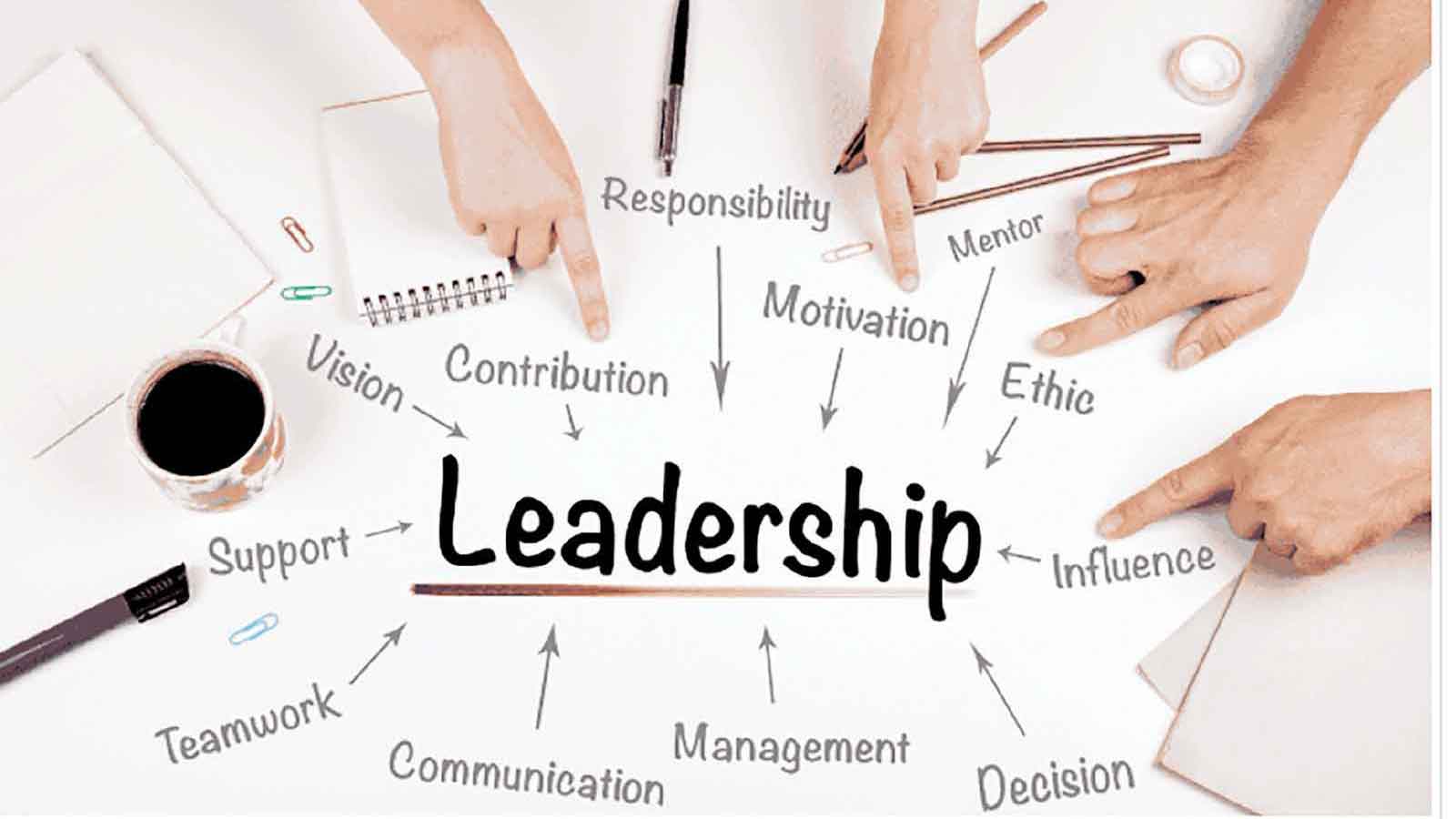
Gabriel Manyeruke
Have you ever wondered why some countries, schools, churches, businesses and organisations thrive while others struggle? In all these spaces, you will find outstanding people with strong leadership qualities — individuals who build united families, nurture civil societies, drive economic development and inspire thriving brands.
Leadership is the invisible thread that binds success together, and it begins much earlier than most people realise.
The classroom is the first arena where leadership is tested. Prefects, class representatives, club presidents and sports captains are visible examples, but leadership is not confined to titles.
Every learner has the potential to lead. It is seen in the learner who helps a peer grasp a difficult concept, the one who volunteers to organise group work or the quiet figure who sets the tone for discipline.
These small acts are not trivial; they are the foundations of leadership.
At school, leadership means social responsibility — being accountable not only for oneself but also for the well-being of others.
When learners recognise that their influence can uplift or discourage others, they begin to understand that leadership is service, not privilege.
Lessons at home
The home is the earliest training ground. Siblings learn to guide, support and inspire one another.
An older child who models respect and responsibility or a younger one who sparks curiosity and creativity is shaping leadership in subtle but powerful ways.
Families that encourage responsibility and empathy are cultivating leaders who see service to others as part of their identity.
Leadership at home is social responsibility in its simplest form — caring for siblings, sharing chores and resolving conflicts with fairness.
These lessons, though ordinary, prepare learners for the extraordinary demands of society.
Leadership without principles is destructive. A deficit in leadership — whether in schools, families or nations — erodes creativity, stifles individuality and undermines diversity.
Leaders who pursue selfish interests foster unhealthy competition that damages others rather than inspire them.
Such leadership breeds mistrust, discourages innovation and leaves people reluctant to be led.
In the real world, people resist leaders who manipulate, divide or exploit.
They prefer guidance that uplifts rather than diminishes.
The absence of principled leadership is not neutral; it actively corrodes the social fabric, leaving behind fractured communities and disillusioned citizens.
Learning from great leaders
Do you have a leader you admire?
What characteristics make them stand out?
Write those down and strive to emulate them.
History also offers countless examples — study what made them great, how they led their followers and the lessons you can draw from them.
Be it the resilience of Nelson Mandela or the innovation of Steve Jobs, leadership rooted in principle and responsibility leaves a lasting legacy.
Learners should not merely admire these figures but analyse their qualities: integrity, empathy, courage and vision.
By consciously emulating such traits, young people can prepare themselves to lead with purpose in their own spheres.
From classroom to boardroom
In the modern world, leadership is not just about authority — it is about innovation, adaptability and vision.
Learners who embrace resilience and creativity in school are better prepared to lead in start-ups, corporations and technology ecosystems.
The debate club leader’s ability to communicate clearly mirrors the skills needed by entrepreneurs pitching ideas. The sports captain’s teamwork today becomes the collaborative spirit of tomorrow’s manager.
Business and technology demand leaders who understand social responsibility. A thriving brand is not built on profit alone but on the trust of its people.
A successful enterprise is measured not only by revenue but also by the impact it has on communities.
Leadership that begins in school and at home finds its ultimate expression in workplaces that value integrity as much as innovation.
Leadership is not stitched into a badge or pinned to a blazer — it is a light carried within.
And that light shines brightest when it illuminates others. Every learner, whether appointed or not, has the capacity to lead.
Leadership is influence, initiative and responsibility. It is the courage to act, the empathy to listen and the resilience to persist.
Young people are the vanguards and leaders of tomorrow. If every learner embraced leadership as social responsibility, our homes would be more united, our schools more purposeful and our workplaces more visionary.
The question is not whether learners can lead, but whether we are nurturing them to see leadership as service, not privilege.
Gabriel Manyeruke is an author and educator at Wise Owl High School in Marondera. Feedback [email protected]