Remember Deketeke-Herald Correspondent
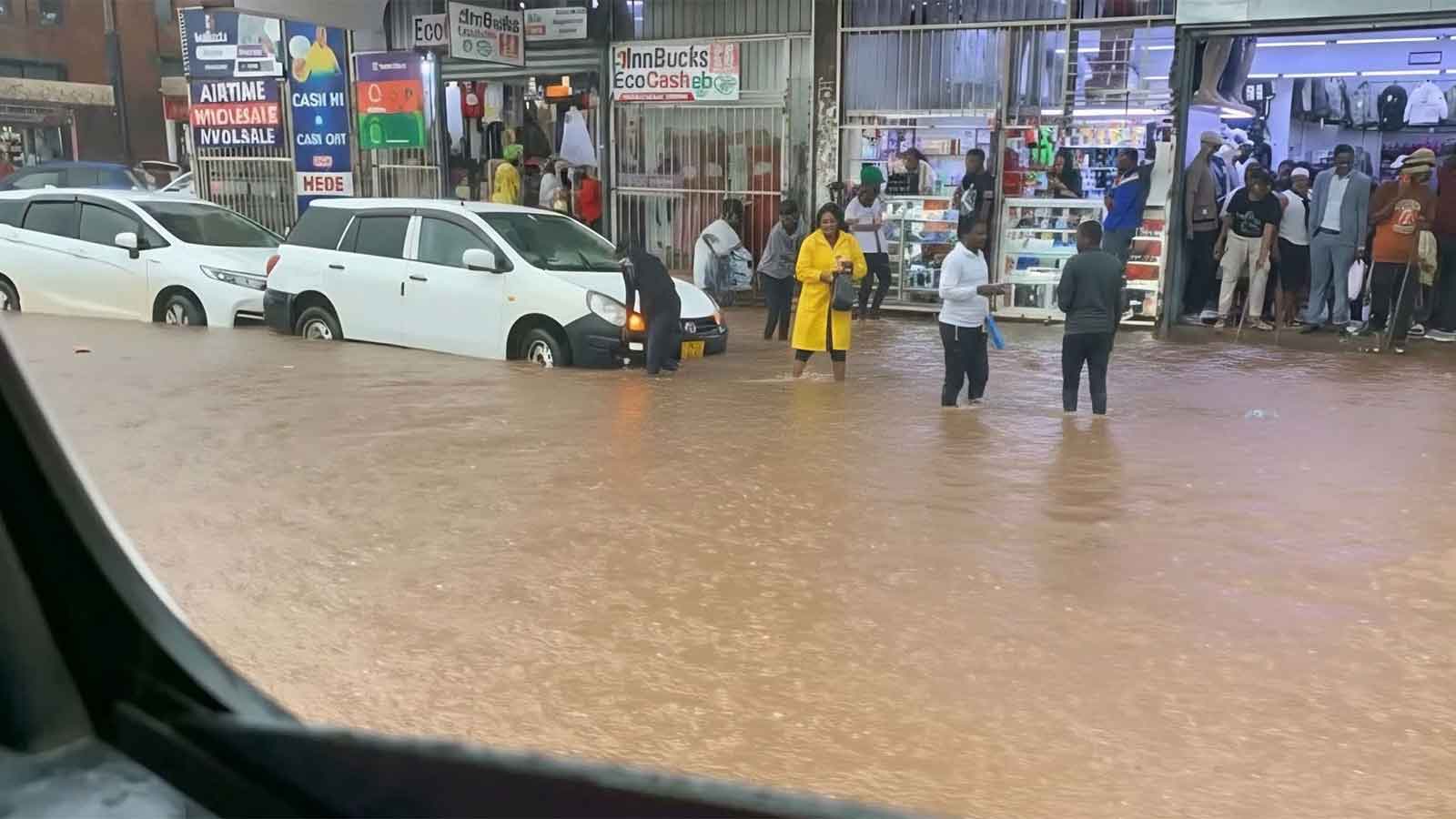
HARARE City Council has directed residents with “nothing to do in town” to leave the central business district “before dark” to avoid flash flooding and worsening traffic congestion as the capital continues to experience heavy rains.
This comes amid growing concern over rising flood incidents in low-lying suburbs and mounting pressure on the city’s ageing infrastructure, which has been severely compromised by years of neglect, vandalism and the destruction of wetlands.
“All we are saying is that if you have nothing to do in town towards end of day, it’s advisable to leave early before it gets dark,” said City of Harare spokesperson Mr Stanley Gama.
In a statement yesterday, acting Town Clerk Engineer Phakamile Mabhena Moyo said the city was receiving reports daily of flash flooding, particularly in Mbare, Highfield, Waterfalls, Warren Park, Budiriro and Glen Norah.
“Harare continues to receive heavy rains on a daily basis. The city is receiving reports of flash flooding in low-lying areas, with most affected parts being Mbare, Highfield, Waterfalls, Warren Park, Budiriro and Glen Norah,” said Eng Moyo.
He said the local authority, working with the Department of Civil Protection, had activated emergency response systems and was urging residents in flood-prone areas to remain vigilant.
“The City of Harare, working closely with the Civil Protection Unit, is advising all residents and property owners in low-lying areas to track weather alerts daily, take heed of possible flood alerts, be on watch for flooding and take appropriate action to avoid risks,” she said.
Motorists have also been urged to exercise caution on flooded roads, avoid parking under trees and help keep drains clear.
“Residents are advised to drive cautiously, not to park vehicles under trees, avoid throwing litter in the drainage system and assist the city in unblocking drains in front of their properties,” Eng Moyo said.
To ease congestion worsened by flooded roads and traffic light failures, the council encouraged motorists to adjust travelling times and leave the CBD early.
“To avoid congestion due to rains, we encourage motorists to adjust travelling times and leave the CBD early.
“In case of floods, residents are encouraged to call the city emergency services or contact their nearest regional or district offices for assistance,” he said.
Critics have described the council’s directive to leave the CBD early as absurd, arguing it shifts the responsibility to residents rather than address the underlying issues of failing drainage systems and unchecked urban planning.
The advisory, they argue, does little to solve the root causes of Harare’s flooding problem.
Harare’s flooding crisis has been blamed largely on the city’s deteriorating storm water drainage infrastructure, most of which was built several decades ago and has not been adequately maintained or upgraded to cope with rapid urban expansion.
Large sections of the drainage network are now blocked by silt, garbage and construction debris, while others have collapsed due to age and lack of rehabilitation.
In some areas, storm drains have been vandalised or stripped of metal covers, exposing residents to danger.
Experts say the situation has been worsened by widespread illegal dumping of refuse into drains, streams and rivers, which has turned major water channels into clogged waste corridors during heavy rains.
The destruction of wetlands around Harare has also been cited as a major contributor to the surge in flooding.
Over the years, vast stretches of wetlands in areas such as Borrowdale, Budiriro, Marlborough, Mt Pleasant and along major river systems have been cleared for housing developments, industrial sites and urban agriculture.
Wetlands naturally absorb excess rainwater and regulate flow into rivers and streams.
Their destruction has reduced the city’s natural flood control capacity, causing rainwater to run off rapidly into already overwhelmed drainage systems.
Environmental experts warn that continued encroachment into wetlands is turning Harare into a flood-prone city, with serious implications for public safety, property and infrastructure.
Harare City Council has faced criticism for failing to rehabilitate storm-water drains, enforce environmental regulations and stop illegal developments on wetlands.
Residents’ associations and urban planning experts argue that years of underinvestment, poor maintenance and weak enforcement have left the city vulnerable to seasonal flooding.