admin
admin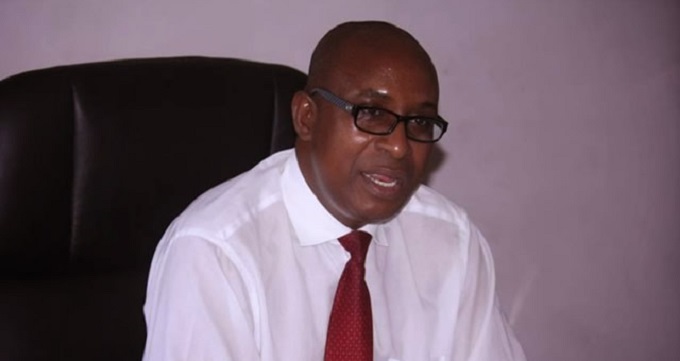
Fidelis Munyoro, Harare Bureau
LEGAL experts have applauded President Mnangagwa’s ambitious offering — to turnaround the fortunes of the country such as the expeditious re-alignment of a bundle of laws to the new Constitution.
The Constitution is the supreme law and supersedes all other laws, and the alignment is part of the process to see that the Constitution is implemented.
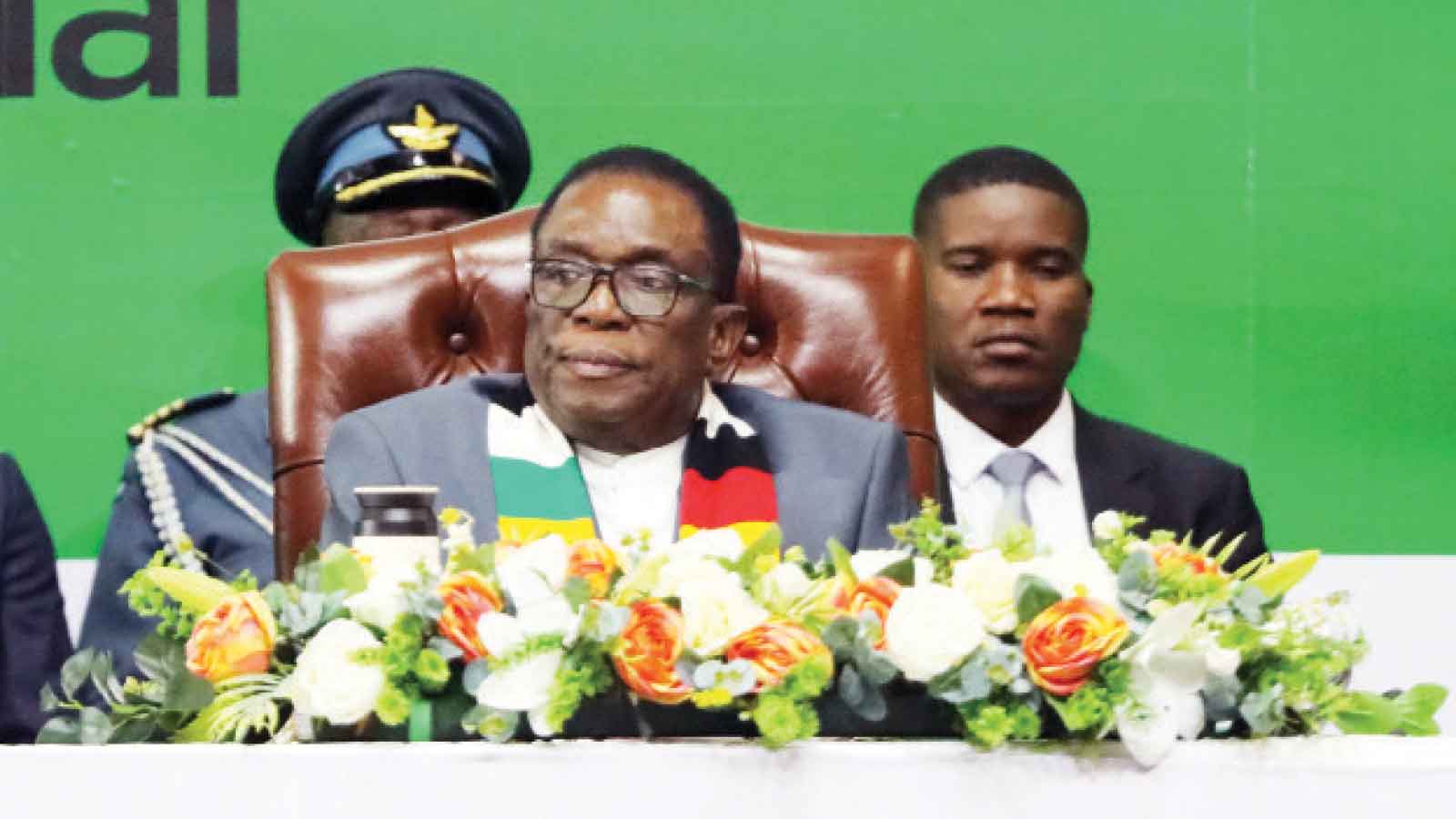
Officially opening the 9th Parliament of Zimbabwe yesterday President Mnangagwa announced his legislative agenda, which is motivated by the need to bring the country’s laws in conformity with Constitution.
Legal experts who spoke to our Harare Bureau hailed President Mnangagwa for demonstrating his political will to implement the Constitution, respect for constitutionalism and the rule of law and enhance the foundation of the country as a constitutional democracy.
Harare lawyer Mr Obert Gutu said the re-alignment of Acts of Parliament with the Constitution was long overdue, saying devolution is the way to go if the country is to develop and prosper.
He said in terms of Section 2 (1) of the Constitution of Zimbabwe, the Constitution is the supreme law of the land and any law, practice, custom or conduct inconsistent with it is invalid to the extent of the inconsistency.
“For the avoidance of doubt and indeed, in conformity with good and sound constitutional practice, there is still need to re-align all laws with the supreme law of the land,” said Mr Gutu.
“As for devolution, this is the way to go in all progressive democracies. Even in the Federal Republic of Germany, devolution has anchored and stimulated Germany’s industrialisation agenda, particularly after the end of Second World War. Power has got be holistically and democratically devolved to all the country’s 10 provinces.”
Mr Gutu suggested that the Government should even go a step further and do away with provincial names that smack of regionalism and tribalism.
“For instance, Matabeleland South Province can be renamed the South-East Province, Matabeleland North can be renamed South-West Province, Manicaland can be renamed Eastern Province, Mashonaland West can be renamed North-West Province, Mashonaland East can be renamed North-East Province and Mashonaland Central Province can be renamed Northern Province.”
Another lawyer Mr Charles Chinyama said the re-alignment of the laws with the Constitution would stamp out conflicts between the law and the constitution.
“It’s a brilliant exercise aimed at strengthening the rule of law, making law more and more simple to understand and eradicating any conflicts between the law and the constitution,” he said.
Mr Tinomudaishe Chinyoka also a lawyer practicing in Harare said President Mnangagwa has put everyone on notice that he plans to effect revolutionary change for the better.
“Clearly when he said his agenda was jobs, jobs, jobs, we all thought he just meant he will prioritise job creation, but what came out today shows that he wants everyone, right from himself to do jobs to the maximum for the benefit of the nation,” he said. “The 9th Parliament under His Excellency will not be a ‘do nothing’ Parliament, that is a fact.”
Four years after the Constitution came into force, headway in aligning our statute law with the Constitution has been intermittent.
At least 74 existing Acts of Parliament remained unaligned with the Constitution and many new laws, which the Constitution says must be enacted have not appeared on the statute book.
Some parts of the Constitution cannot be implemented without the enactment of new laws.
Provincialisation or devolution of powers, is an example.
Chapter 14 of the Constitution sets up provincial and metropolitan councils, but leaves it to Parliament to give them specific functions and to regulate how they may exercise those functions. No such law has been enacted.
Even though councillors were elected in 2013, Chapter 14 of the Constitution remains a dead epistle.
Another example is section 210 of the Constitution, which requires Parliament to enact a law setting up an independent mechanism for receiving and investigating complaints against the Police and other security services. Again no such law has been enacted.
Another illustration is the enactment of legislation to establish a Citizenship and Immigration Board responsible for granting and revoking citizenship, and issuing of residence and work permits.
This is mandated by section 41 of the Constitution, but the board has not been set-up because the legislation has not been passed.


 Online Reporter