Online Reporter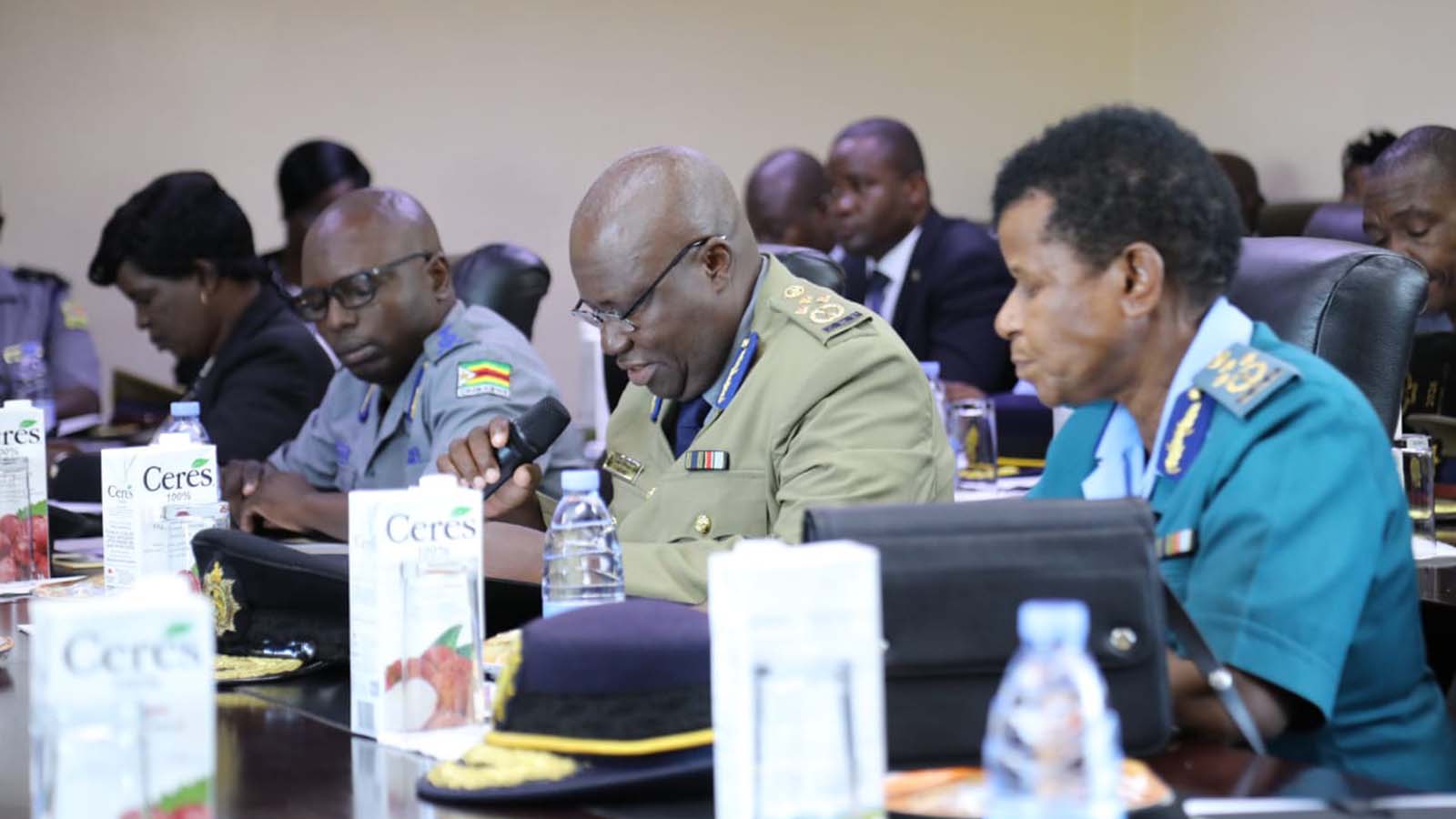
Freeman Razemba
Senior Reporter
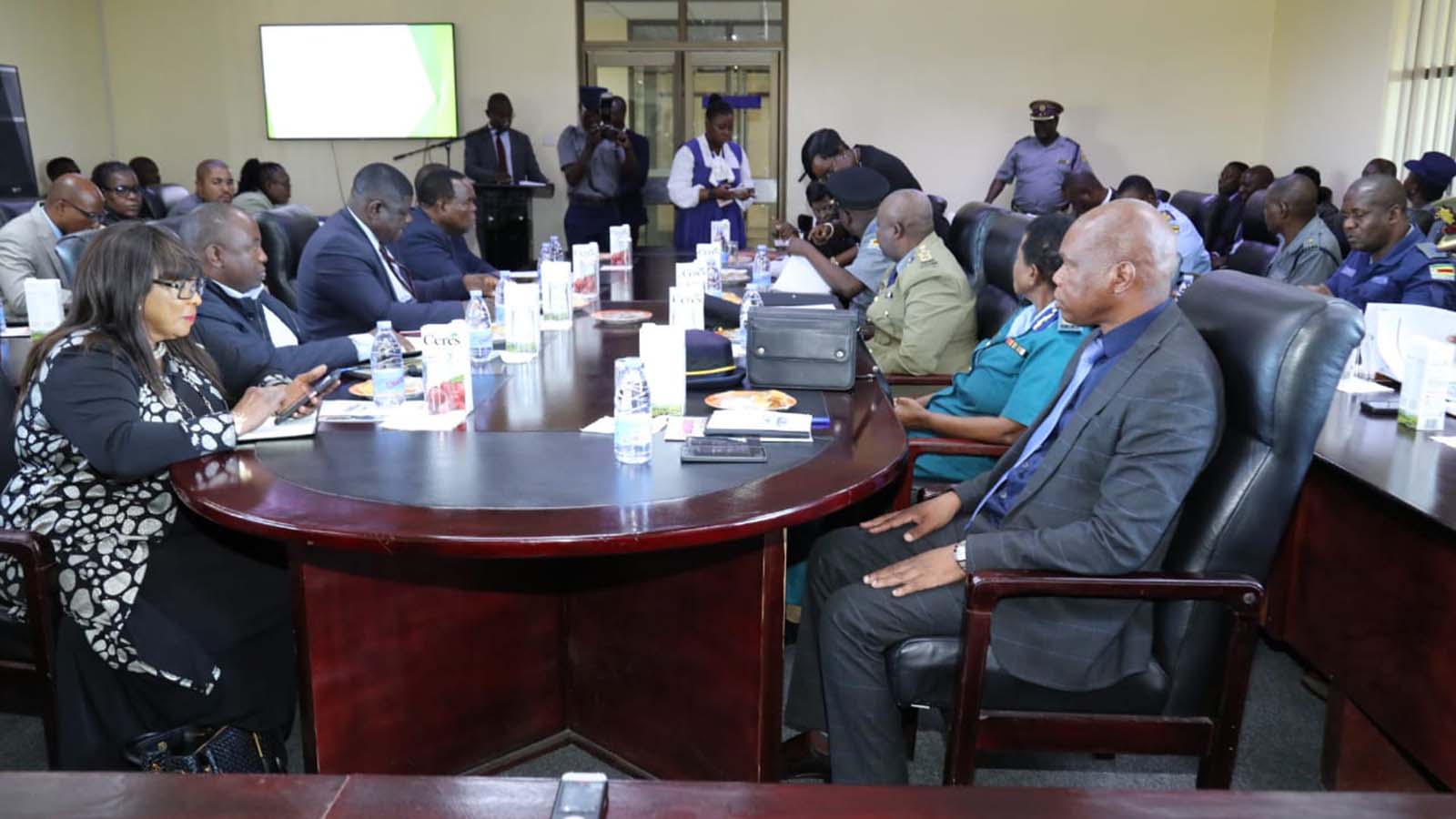
THE Parliamentary Portfolio Committee on Defence, Home Affairs, Security Services and War Veterans Affairs is today undertaking a familiarisation tour of the ZRP Forensic Science Laboratory Centre in Harare.
Members are being led by the portfolio committee’s acting chairperson, George Mashavave, while Deputy Commissioner-General (Crime and Operations), Learn Ncube, is leading senior officers in Harare.
They will tour the CID DNA Laboratory, Criminalistics, Ballistics, the Chemistry Laboratory, Questioned Document Examination, and the Cyber Laboratory at CID Headquarters before proceeding to Mkushi Academy, formerly Morris Depot.
The Forensic Science Laboratory is a highly specialised technical unit of the Zimbabwe Republic Police. Its function is to aid police investigations by analysing exhibits and providing expert, conclusive evidence on crime scenes. The unit is staffed by highly qualified forensic scientists and has the following sub-sections.

The Biology Section analyses a wide range of biological evidence—for example, samples of blood, semen, saliva and sweat derived from cases of murder, rape and stock theft.
The Criminalistics Section brings together a pool of scientists dealing with microscopy, tool marks, paints, glass, fibres and hair analysis, among other areas. The section also examines evidence of hair, fibres, gunshot residue, bullets, cartridges and metals.
Other sections include the Chemistry Section, which analyses minute to complex toxicological evidence, including pesticides, insecticides, herbicides and other poisons, arson accelerants, explosives and explosive ordnances, blood alcohol, and controlled drugs.
The Document Examination Section uses advanced analytical techniques to analyse handwriting, signatures, indented impressions, alterations, erasures, obliterations, typewriter documents and printed documents.
The Cybercrime Unit deals with crimes resulting from the use of information and communication technology systems to commit or conceal criminal acts.
The CID Forensic Ballistics Unit is a support section under the Criminal Investigations Department. Its core business involves examining fired cartridge cases and spent bullets recovered from scenes of crime, examining firearms recovered from scenes of crime or confiscated from suspects or accused persons, attending scenes where firearms and explosives have been involved, and attending post-mortems in order to assist pathologists.
As a support section within the organisation, CID Forensic Ballistics assists in criminal investigations not only for the Zimbabwe Republic Police, but also for other sister organisations such as the Zimbabwe National Army, Air Force of Zimbabwe, Zimbabwe Prison and Correctional Services, and the National Parks of Zimbabwe.