admin
admin
Business Reporter
THE Zimbabwe National Chamber of Commerce (ZNCC) has reiterated the need to speed up approvals and leverage on independent power producers (IPPs) potential to unlock additional electricity generation capacity that would ease the burden on the utility, Zesa.
Zimbabwe is facing acute power shortages, which have seen consumers going for long hours, outside the normal load-shedding periods, without electricity.
Industry leaders partly blame power outages for frustrating production amid costly imports from regional producers, which drain scarce forex resources from the economy.
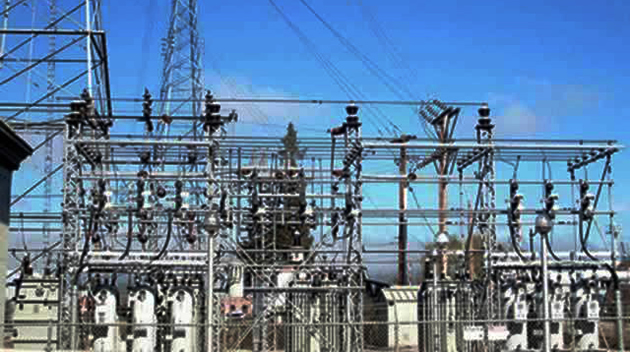
While the Government has said measures are being taken to ramp up generation capacity at thermal power stations and increase power imports to cover the gap created by Kariba Power Station, which has halved output to about 300MW, stakeholders are convinced there is more scope in facilitating IPP projects.
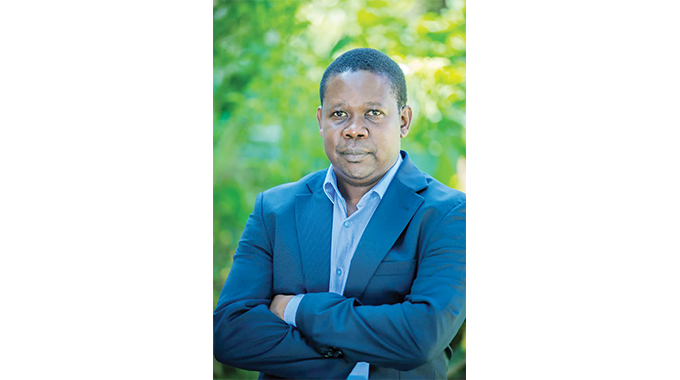
“As businesses, we reiterate the need for speeding up and supporting IPPs so as to be able to generate enough power and simplify some of the hectic regulations, which delay project take-offs, especially by parastatals that have bureaucratic processes in licensing of the energy sector,” ZNCC Matabeleland Chapter chairperson, Mr Mackenzie Dongo, said in a recent interview.
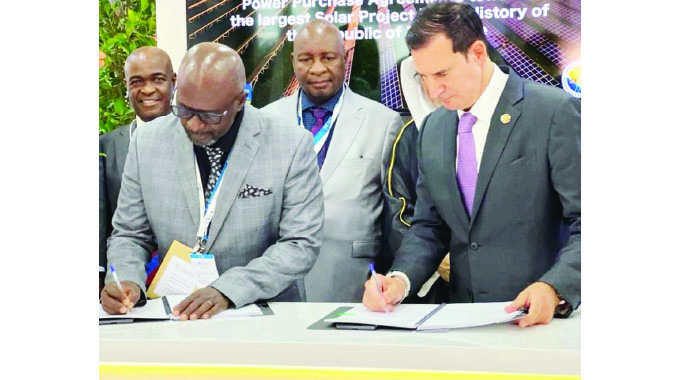
The Zimbabwe Energy Regulatory Authority has licensed more than 60 IPPs in the renewable energy space, with a capacity to generate 2 000MW. Twenty seven of them with an estimated combined output of about 1 000MW have been recommended for Government support, a massive boost to the projects as the Second Republic is speeding up investment by the IPPs with main focus on solar projects.
Government has also guaranteed an economic tariff to qualifying IPPs solar projects that would have passed the screening process, Finance and Economic Development Minister, Professor Mthuli Ncube, said.
Power producers, especially Zesa, have in the past called for tariffs to be cost reflective. Because of sub-economic tariffs, at one point the power utility could neither service nor buy boilers, transformers and secure oils and chemicals that should all be paid for in US dollars.
At the moment the country generates less than 600MW combined with the gap being covered through imports, which are also not adequate given the depressed regional grid.
However, off-take of the projects has been slow on account of viability issues. In this regard, Prof Ncube, has said with technical assistance from the African Legal Support Facility (ALSF), Government, in consultation with the relevant stakeholders, is working on improving the bankability of IPP projects, by addressing currency related risks, which should accelerate the implementation of renewable energy projects in the country.
Mr Dongo noted that due to power cuts industries are struggling to schedule work processes and were turning to alternative sources.
“As such, businesses have resorted to alternative sources of power such as generators, which are proving to be expensive and difficult to sustain because of the prolonged dark spells,” said Mr Dongo.
“Others have started to invest in solar power but which is proving to be expensive because of its capital outlay. Also because of high demand for solar products like lithium batteries, prices have started to go up.
“The serious power shortages have seriously affected and to some extent crippled our industrial and business operations as it is now literally impossible to schedule work processes.”
According to the business lobby group, Bulawayo businesses are increasingly investing in alternative energy sources with solar installations being the most common means of alleviating the adverse impact of power cuts.
Demand for solar products is soaring and entrepreneurs are cashing in by establishing solar equipment supply enterprises.
Of the 27 identified solar projects, the Matabeleland region has five projects with a combined power outlay of 325MW.
The identified firms are Matshela Energy in Gwanda, which has a 100MW plan, Sinogy Power located in Chapfuche Farm, Beitbridge (75MW), AF Power, Upper Nondwene Estate in Bulawayo District (50MW), Par value, Westgate Suburb, Donnington West, Bulawayo (50MW) and another 50MW by Yellow Africa at Subdivision of 3 Broad Acres, Imbesu 3, Ward 8, Umguza Rural District.

The development has boosted the confidence of IPPs implementers who said the Government has been decisive in dealing with the power challenges.
Last week Monday, Prof Ncube announced the standardised Government Implementation Agreement (GIA) for all solar IPPs projects.
He said in line with the national vision of attaining an upper middle-income status by 2030, the major key enabler in realising sustained economic growth is stable, sustainable, reliable and affordable electricity supply.



 Online Reporter