Online Reporter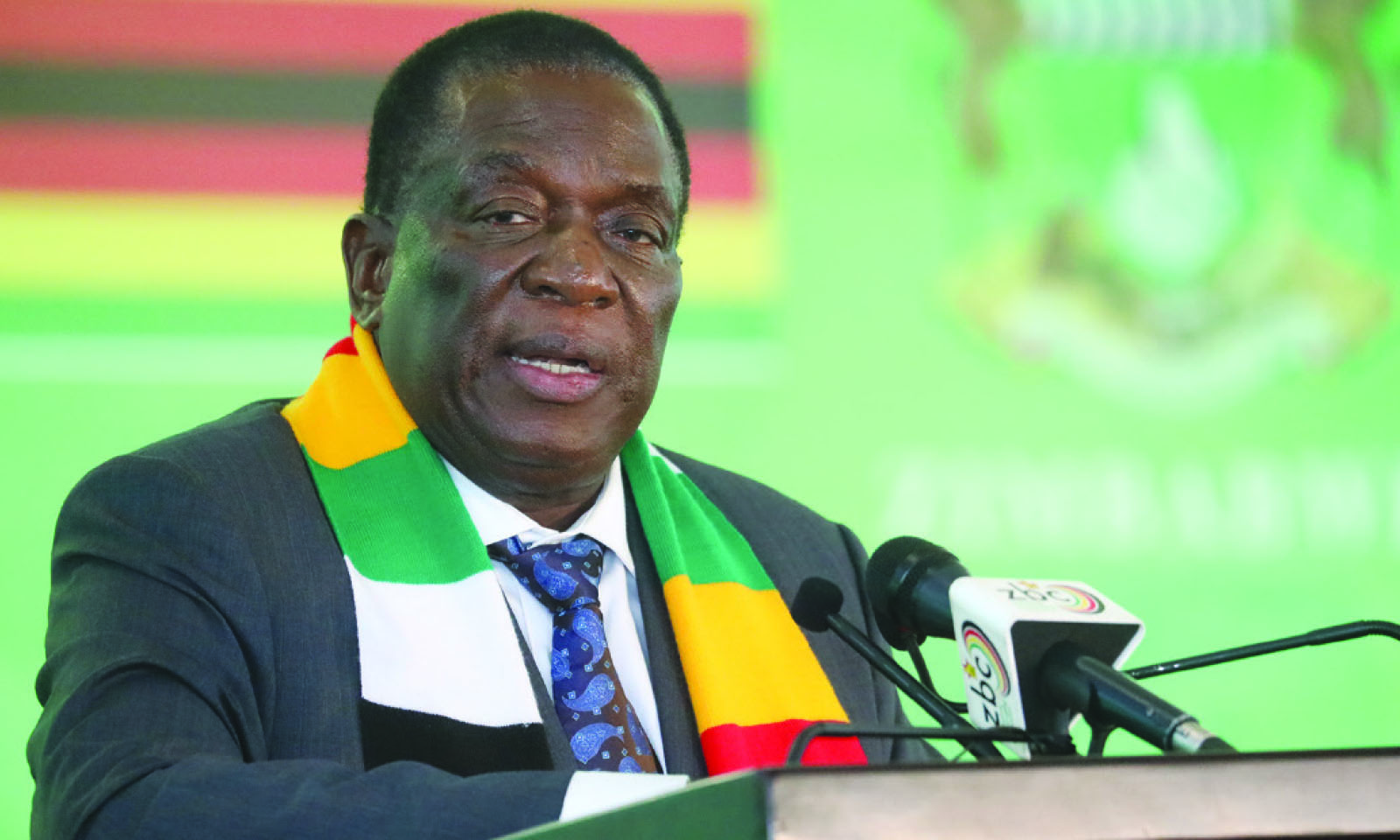
Elliot Ziwira
Senior Writer
Today, Zimbabweans commemorate the National Youth Day, celebrating young people’s contributions to the nation’s development.
This year’s theme, “Empower the Youth, Secure the Future”, recognises the crucial role that youths play in securing a brighter future for the greater good.
Celebrated annually on February 21, the day honours the significance of youths in nation-building and encourages them to adopt good leadership values.
This national holiday was gazetted and proclaimed by the Government in 2017 to pay tribute to the nation’s youths. The day is set aside to increase awareness and commitment to investing in youths to accelerate their empowerment and development.
Past events have been held in different provinces, including Harare Metropolitan Province in 2022, Matabeleland North Province in 2023, and Masvingo Province in 2024.
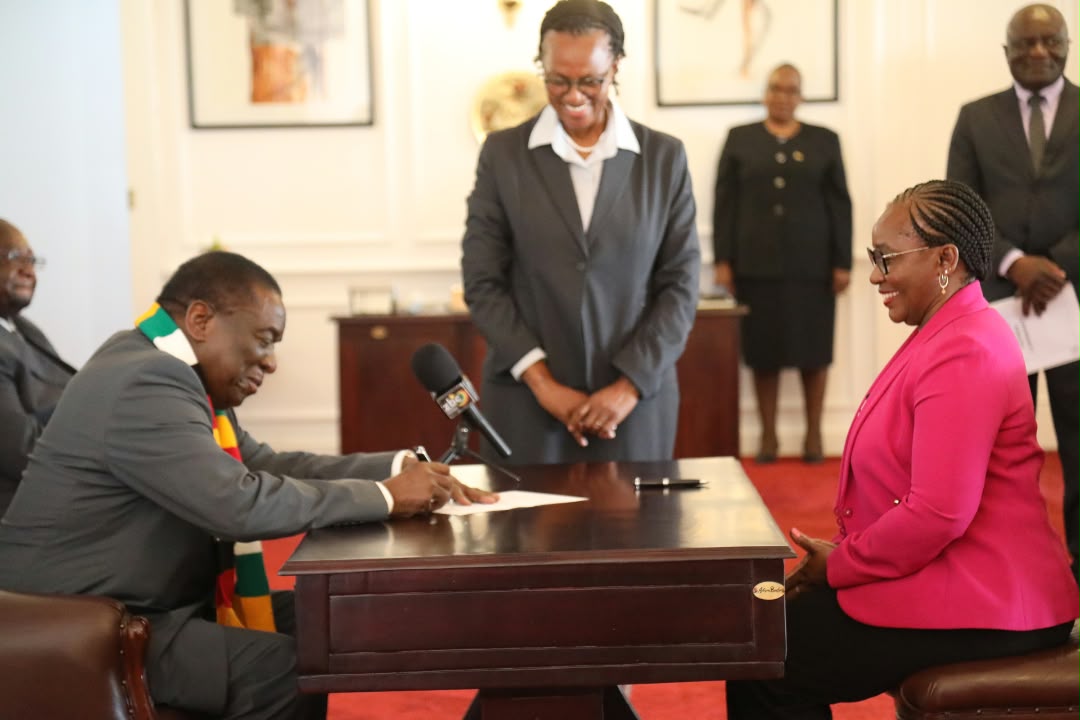
President Mnangagwa headlines this year’s celebrations at the Zimbabwe International Exhibition Centre (ZIEC) in Bulawayo Metropolitan Province.
Among other objectives, the National Youth Day 2025 aims to promote the Youth Service in Zimbabwe, encourage youth empowerment and growth, and raise awareness of drug and substance abuse through exhibitions, music and sporting activities.
To keep abreast with technological trends, the Zimbabwe Digital Skills Development programme, targeting 1,5 million youths, will be launched, with nine provinces participating online.
Over 20 000 young people from all 10 provinces are attending the main celebrations, with additional online attendees. The event, with Government officials, embassies, private sector representatives, and youth guests from neighbouring countries in attendance, has a budget of US$1,6 million.
Among the delegates expected are ministers of Youth from Kenya, Rwanda, Tatarstan, Tanzania, South Africa, and Namibia. The Zimbabwe Youth Council board and the Parliamentary Portfolio Committee on Youth are participating, too.
Notably, youths are the backbone of Zimbabwe’s future, comprising over 65 percent of the population, hence, initiatives like this spur behavioural change and promote nationhood.
Therefore, sharing stories on drug and substance abuse, highlighting what is being done to curtail the scourge, is the way to go. It is only through change of behaviour via initiatives involving all stakeholders, with young people as major players, that national socio-economic expectations are realised.
Although the future belongs to this constituency, youths should draw inspiration from the past in their interpretation and interaction with the present. For them to determine where they are going, they should know where they are coming from and on whose sod their feet rest.
Collective memory enshrined in the struggle for independence starting from the First Chimurenga needs to find a basis in young people’s endeavours, as they are the future, lest they tumble into the quagmire of neo-colonialism and its local enablers.
Their young minds need to be liberated both from themselves and the many substances they abuse in their attempts to create a reality only known to them, as well as opportunistic players that prey on their vulnerability.
Young people should be empowered to go beyond history as a silent past, but as a source of agency that moves and speaks to the present and future. Since they are a key demographic, it should be inculcated in them from an early age that the nation comes before the individual.
As has been observed through autochthon wisdom, a man cannot be expected to love his country, when as a child, he was never taught to love his village and fellow residents.
Old habits die hard, they say!
With approximately 6,7 million Zimbabweans out of a population of 16,6 million being of school-going age—learners between three and 18 years, it is imperative that pledges to self and nation, involving young people are revisited.
Negativity, therefore, should not be allowed to grow into a habit, where everything to do with the nation is trivialised—no matter how significant it may be to shared values.
A culture of love, peace and unity, even in the face of adversity, should be cultivated in young people, for misfortune is a state of mind.
There is always a starting point. If young people are taught the essence of nationhood and citizenship, through a shift, not only in mindset, but changes to the curricula in schools, then, patriotic nationals, who will stand tall in defence of their country, are created.
Therefore, it is commendable that the Second Republic, under the stewardship of President Mnangagwa, revived and rebranded the national youth service. It is an apt starting point, for every nation is as good or bad as its citizens.
True, as Andrew Jackson posits, “every good citizen adds to the strength of a nation,” for being a citizen is more than a birth right.
Participating in national events and programmes, exercising their right to vote for representatives of their choice, and defending their country from detractors, are some of the duties of an informed youth.
However, young people should remain mindful of the choices they make, alive to the fact that opportunities open to them now, did not come on a silver platter. They are products of sacrifice, selflessness and patriotism.
Hence, they should take an interest in the affairs of their country, and desist from partaking in the politics of subterfuge. They should not always be pretentious and dishonestly straddle the fence, expecting others to do their bidding, and blame them when their expectations are not met.
Since Independence in 1980, Government has played its part in ensuring youth inclusivity. It has remained steadfast in its commitment to the welfare of young people and artists across all genres. Previously suppressed talents across a gamut of disciplines in sport and arts were liberated.
The Second Republic has made significant strides in empowering youths through various programmes and initiatives aimed at promoting entrepreneurship, education, and skills development.
It cannot be overemphasised that through enabling policy frameworks, more citizens have been afforded opportunities to scribble their scripts on the global landscape across all spectrums of human endeavour, as spaces that colonial Rhodesia closed them out of were unlocked.
Such empowerment programmes do not only capacitate youths in the fight against poverty, but also take them away from drug and substance abuse.
Addressing delegates at last year’s commemorations in Masvingo, President Mnangagwa stressed the crucial role young people play in developing their country, drawing inspiration from their forebears who fought against colonialism.
He stated, “Today, on one hand, we look back in honour of one of the founding fathers, the late former President and national hero, Cde Robert Gabriel Mugabe, as well as the many brave and fearless young people who sacrificed their youth and schooling to wage the protracted war of liberation. We must never forget their sacrifices.”
The President encouraged the youth to learn from the past, while looking forward to the future with confidence, guided by the philosophy, “‘Nyika inovakwa, inotongwa, inonamatirwa nevene vayo/Ilizwe lakhiwa, libuswe, likhulekelwe ngabanikazi balo’”.
He urged young people to take ownership of their country’s development, saying, “You must play your part. The challenge is now yours.”
This call-to-action illustrates the significance of youth empowerment and participation in nation-building, and the role of citizens in shaping their country’s future.
Therefore, as the nation celebrates the National Youth Day today, it is imperative to emphasise the values of selflessness, sacrifice, patriotism, and nationhood that defined the liberation struggle.