Online Reporter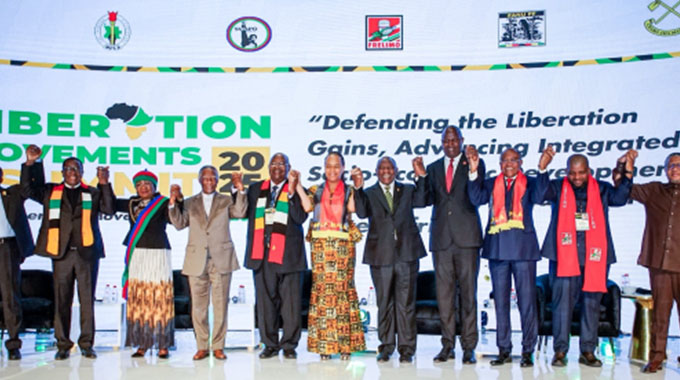
Movements of Southern Africa came together in Johannesburg, South Africa, from 25 to 28 July 2025 to reaffirm solidarity and come up with ways of thwarting all neo-colonialist tendencies.
Present at this year’s summit were the Presidents and Secretaries-General of Liberation Movements of the six sister parties namely, the African National Congress (ANC), Chama Cha Mapinduzi (CCM), Mozambique Liberation Front (Frelimo), South West Africa People’s Organisation (Swapo), Popular Movement for the Liberation of Angola (MPLA) and the Zimbabwe African National Union Patriotic Front (Zanu-PF).
This year’s Summit was unique in that it celebrated the 50th anniversary of the independence of many of our countries.
The Summit paid tribute to the immortal legacies of our predecessors and reaffirmed our common commitment to consolidating equality, sovereignty, social justice and the dignity of our people, on the path to a united, developed and fully emancipated Africa. The Summit was honoured by the presence of elder statesmen of our liberation movements, including Cde Joaquim Chissano, the former President of Frelimo and of Mozambique, as well as Cde
Thabo Mbeki, the former President of the ANC and of South Africa.
Recalling the outcomes of the 11th Meeting of the Secretaries-General of the Liberation Movements in Southern African which took place in Victoria Falls, Zimbabwe, on 19 March 2024, the Summit reaffirmed our shared commitment to the principles of justice, equality and self-determination for the people of our region.
The Summit also noted the progress made by the Southern African countries on social, economic, infrastructure and human development. Considering the Liberation Movements’ unwavering dedication to the liberation, progress and development of Southern Africa, the Summit sought to consolidate the aspirations of the African people for national and regional unity, solidarity and cohesion while overcoming cultural, religious, ethnic and other differences.
The Summit reaffirmed its commitment to consolidate the aspirations of the people of Africa for greater solidarity, unity, religious and cultural diversity and cohesion. We remain firm in our conviction that strengthening the liberation movements will aid the effective and full emancipation of the people of our continent.
During his address at the Summit, Zanu-PF’s President and First Secretary Cde Dr Emmerson Mnangagwa expressed gratitude for the hospitality received in Johannesburg and honoured the memory of distinguished war veterans who sacrificed for independence and democracy. The President highlighted the need to protect the revolutionary agenda against counter-revolutionary forces that seek to undermine Liberation Movements, urging unity and collaboration among parties to ensure the people’s agenda is advanced.
President Mnangagwa outlined the importance of robust strategies to maintain people-centred governance and emphasised the need for modernisation and industrialisation, particularly in rural communities. The President shared examples of Zimbabwe’s initiatives, such as drilling boreholes and establishing community-managed business units, aimed at improving food security and rural incomes.
Further, he stressed the significance of education, youth empowerment and the involvement of women in economic growth, calling for innovative policies to support these efforts. President Mnangagwa further highlighted the importance of preserving the legacy of liberation heroes and fostering political consciousness among the youth.
He called for unity among liberation parties to address internal contradictions and maintain a collective focus on common goals. President Mnangagwa advocated for multilateralism and a rules-based international order, reaffirming solidarity with the Saharawi and Palestinian people while condemning unilateral sanctions. In his concluding remarks, the President reiterated the responsibility of Liberation Movements to build a prosperous future for the next generation, emphasising the need to defend the founding values of independence, sovereignty and equality.
The Summit of Liberation Movements resolved to intensify implementation of its Programme of Action through strengthened Pan-African unity, regional integration and cooperation among liberation movements, governments and civil society.
It reaffirmed the defence of sovereignty and self-determination, including digital sovereignty and emphasised that political freedom is incomplete without economic justice, calling for land reform, industrialisation, inclusive development and the fight against corruption.
The Summit demanded climate justice and accountability from historical polluters while promoting sustainable development. It highlighted gender equality as central to transformation, advocating for 50/50 representation, elimination of gender-based violence and women’s inclusion in STEM and governance.
Youth empowerment was prioritised through education, innovation, and leadership development, supported by political schools and youth festivals. War veterans were recognised as key contributors to mentorship and nation-building, with a proposal to form a regional veterans’ confederation. The Summit reaffirmed its commitment to peace, democratic governance, and the protection of human rights.
It also pledged to preserve the legacy of liberation through education, cultural heritage and historical tourism, while expressing unwavering solidarity with oppressed people globally—particularly in Palestine, Western Sahara and Cuba and denouncing all forms of imperialism, occupation and sanctions.
It cannot be denied that the Summit created a platform for Liberation Movements to reflect and honour the sacrifices and legacy of men and women who embraced and remained faithful to the principles of unity, solidarity, and collective action, even facing prison, death sentences, guns and bullets but never surrendering.
The onus is now on the current and future generations to defend national sovereignty, resist neo-colonial and neo-liberalism forces, while building a future that everyone will enjoy. It cannot be denied that this year’s summit was truly a meeting of the ages and will be remembered as a symbol of solidarity and commitment towards the cause of liberating Southern Africa.
Dr Obert Moses Mpofu is an academic and the Secretary-General of Zanu-PF. He writes in his own capacity.
FOR the first time in over a decade, the political heads of the Former Liberation Movements of Southern Africa came together in Johannesburg, South Africa, from 25 to 28 July 2025 to reaffirm solidarity and come up with ways of thwarting all neo-colonialist tendencies.
Present at this year’s summit were the Presidents and Secretaries-General of Liberation Movements of the six sister
parties namely, the African National Congress (ANC), Chama Cha Mapinduzi (CCM), Mozambique Liberatio(Frelimo), South West Africa People’s Organisation (Swapo), Popular Movement for the Liberation of Angola (MPLA) and the Zimbabwe African National Union Patriotic Front (Zanu-PF).
This year’s Summit was unique in that it celebrated the 50th anniversary of the independence of many of our countries.
The Summit paid tribute to the immortal legacies of our predecessors and reaffirmed our common commitment to consolidating equality, sovereignty, social justice and the dignity of our people, on the path to a united, developed and fully emancipated Africa. The Summit was honoured by the presence of elder statesmen of our liberation movements, including Cde Joaquim Chissano, the former President of Frelimo and of Mozambique, as well as Cde
Thabo Mbeki, the former President of the ANC and of South Africa.
Recalling the outcomes of the 11th Meeting of the Secretaries-General of the Liberation Movements in Southern African which took place in Victoria Falls, Zimbabwe, on 19 March 2024, the Summit reaffirmed our shared commitment to the principles of justice, equality and self-determination for the people of our region.
The Summit also noted the progress made by the Southern African countries on social, economic, infrastructure and human development. Considering the Liberation Movements’ unwavering dedication to the liberation, progress and development of Southern Africa, the Summit sought to consolidate the aspirations of the African people for national and regional unity, solidarity and cohesion while overcoming cultural, religious, ethnic and other differences.
The Summit reaffirmed its commitment to consolidate the aspirations of the people of Africa for greater solidarity, unity, religious and cultural diversity and cohesion. We remain firm in our conviction that strengthening the liberation movements will aid the effective and full emancipation of the people of our continent.
During his address at the Summit, Zanu-PF’s President and First Secretary Cde Dr Emmerson Mnangagwa expressed gratitude for the hospitality received in Johannesburg and honoured the memory of distinguished war veterans who sacrificed for independence and democracy. The President highlighted the need to protect the revolutionary agenda against counter-revolutionary forces that seek to undermine Liberation Movements, urging unity and collaboration among parties to ensure the people’s agenda is advanced.
President Mnangagwa outlined the importance of robust strategies to maintain people-centred governance and emphasised the need for modernisation and industrialisation, particularly in rural communities. The President shared examples of Zimbabwe’s initiatives, such as drilling boreholes and establishing community-managed business units, aimed at improving food security and rural incomes.
Further, he stressed the significance of education, youth empowerment and the involvement of women in economic growth, calling for innovative policies to support these efforts. President Mnangagwa further highlighted the importance of preserving the legacy of liberation heroes and fostering political consciousness among the youth.
He called for unity among liberation parties to address internal contradictions and maintain a collective focus on common goals. President Mnangagwa advocated for multilateralism and a rules-based international order, reaffirming solidarity with the Saharawi and Palestinian people while condemning unilateral sanctions.
In his concluding remarks, the President reiterated the responsibility of Liberation Movements to build a prosperous future for the next generation, emphasising the need to defend the founding values of independence, sovereignty and equality.
The Summit of Liberation Movements resolved to intensify implementation of its Programme of Action through strengthened Pan-African unity, regional integration and cooperation among liberation movements, governments and civil society.
It reaffirmed the defence of sovereignty and self-determination, including digital sovereignty and emphasised that political freedom is incomplete without economic justice, calling for land reform, industrialisation, inclusive development and the fight against corruption.
The Summit demanded climate justice and accountability from historical polluters while promoting sustainable development. It highlighted gender equality as central to transformation, advocating for 50/50 representation, elimination of gender-based violence and women’s inclusion in STEM and governance.
Youth empowerment was prioritised through education, innovation, and leadership development, supported by political schools and youth festivals. War veterans were recognised as key contributors to mentorship and nation-building, with a proposal to form a regional veterans’ confederation.
The Summit reaffirmed its commitment to peace, democratic governance, and the protection of human rights. It also pledged to preserve the legacy of liberation through education, cultural heritage and historical tourism, while expressing unwavering solidarity with oppressed people globally—particularly in Palestine, Western Sahara and Cuba and denouncing all forms of imperialism, occupation and sanctions.
It cannot be denied that the Summit created a platform for Liberation Movements to reflect and honour the sacrifices and legacy of men and women who embraced and remained faithful to the principles of unity, solidarity, and collective action, even facing prison, death sentences, guns and bullets but never surrendering.
The onus is now on the current and future generations to defend national sovereignty, resist neo-colonial and neo-liberalism forces, while building a future that everyone will enjoy. It cannot be denied that this year’s summit was truly a meeting of the ages and will be remembered as a symbol of solidarity and commitment towards the cause of liberating Southern Africa.
Dr Obert Moses Mpofu is an academic and the Secretary-General of Zanu-PF. He writes in his own capacity.