admin
admin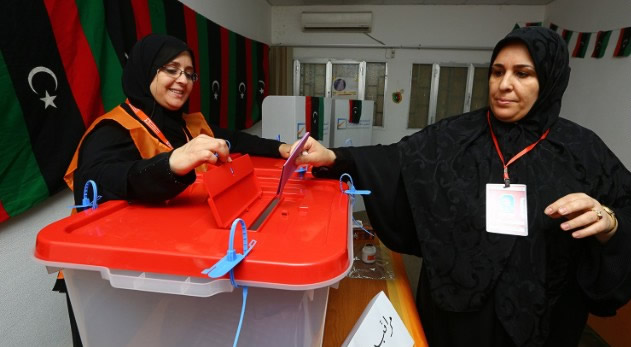
 Polling is under way in Libya to elect a new national parliament despite much of the country being in the grip of the worst violence since the 2011 uprising.Polling stations opened at 6am GMT yesterday, with 1.5 million registered voters choosing from the 1,628 candidates contesting 200 seats in parliament.
The vote is Libya’s third legislative election since the declaration of liberation that ended the 2011 uprising against the former Libyan leader, Muammar Gaddafi.
The 200-seat House of Representatives will replace the General National Congress which has become deadlocked in recent months in disputes between Islamist members and their opponents.
On June 21 and 22, 11,000 registered Libyan voters in 13 foreign countries cast their votes in 22 voting stations, according to the Higher National Elections Committee.
The vote takes place against a backdrop of tribal skirmishes in the south and several weeks of attacks by the forces of former General Khalifa Haftar, who is backed by sections of the army and air force, against fighters in the eastern city of Benghazi.
Adding to the problems are calls for boycotts in western Libya among sections of the Amazigh, Tobu and Tuareg minorities, each concerned that it has not secured wide enough representation in the new parliament.
Organisers are also dealing with apathy among voters, with only 1.5m of Libya’s six million population registered to vote, less than half the number who registered for the elections in 2012 which were the first since the Arab uprisings.
Thirty of the 200 seats are reserved for female candidates, a quota system rights groups say is necessary to ensure female participation.
About 600,000 women are registered to vote.
Adding to the unpredictability of the result is that all seats are contested individually, a change from the previous congress which used proportional representation.
The political divide in Libya is complicated by political and ethnic rivalries, and the chaos and insecurity mean there have been no recent opinion polls. In the 2012 election, the nationalist National Forces Alliance won 48 percent of the vote, while the Justice and Construction Party led by the Muslim Brotherhood won second place with 10 percent.
Violence and boycotts marred voting in February for the commission tasked with writing Libya’s constitution, with 13 of the 60 seats left unfilled.
Along with the fighting raging in Benghazi, the new parliament will confront an 11-month-old blockade of the bulk of Libya’s oil production that has cost the country $30bn. An agreement to end the blockade reached between rebel leaders and the government of prime minister Abdullah al-Thinni in April has broken down.
On June 23, the EU called for all sides to support the election, noting a “significant deterioration of the political and security situation in Libya”.
Campaigning in the capital, Tripoli has been low key, in part because the focus is on individual candidates rather than political parties.
“What everyone wants around here is some order, a bit of peace,” said Hassan, a Tripoli student.
Meanwhile, Turkey evacuated 420 of its nationals on Tuesday from the city of Misrata after Haftar ordered Turks and Qataris out of the country, according to LANA, Libya’s state news agency. — Al Jazeera



 Online Reporter