Online Reporter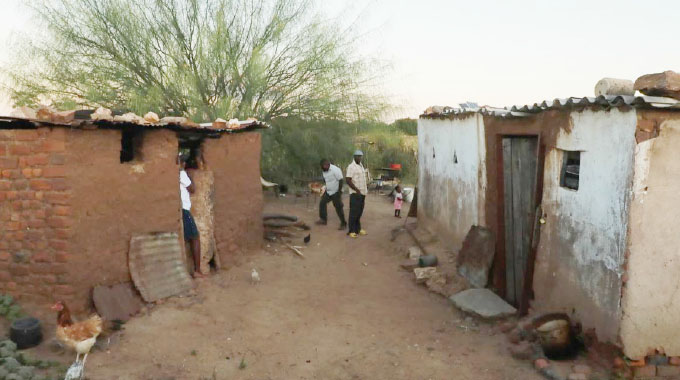
Bruce Ndlovu, Society Reporter
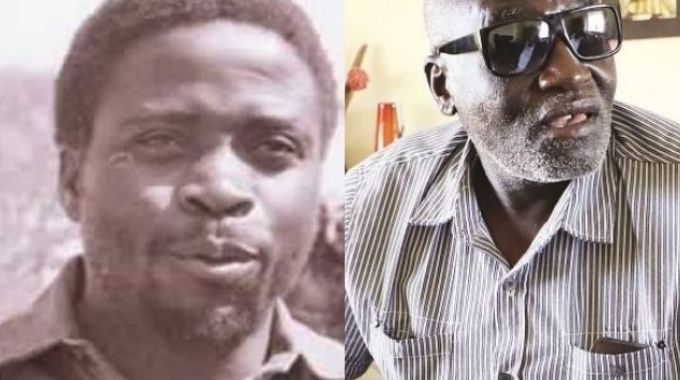
WHEN one arrives in Cabatsha, an informal settlement located on Umvutshwa Farm in Umguza District, any resident approached will invariably point toward Nhlabathi Khumalo’s house.
To the residents of this tight-knit community — largely out of sight and out of mind to anyone in Metropolitan Bulawayo — Khumalo is the sobhuku, the village head whose wisdom reigns supreme.
All problems, big or small, must first gestate in his mind before being digested by the rest of the community.
When this news crew visited the squatter camp recently, they were swiftly guided to Khumalo’s doorstep. Those the news crew encountered felt he was best placed to articulate their struggles. Unanimously, Khumalo is regarded as the spokesperson for their pain and joy, their losses and victories.
According to the Bulawayo Master Plan, approved in 2004, Cabatsha — alongside other informal settlements in and around Bulawayo — was meant to be transformed into suburbs to address the city’s ever-increasing housing backlog.
Many residents of the squatter camp, therefore, are individuals who found themselves down and out in the big city, searching for shelter amid skyrocketing rentals in the metropolis. However, Khumalo is a notable exception. The popular village head was born and raised in the area.
“I was born here. My parents came to this place in 1930 and I was born in 1959. I have lived my entire life here,” he explained.
Over the years, Khumalo has witnessed significant changes. He lived through the transition from white minority rule to black majority governance and observed the departure of the initial white families that owned the farm.
One thing that has remained constant in the settlement, however, is the shortage of potable water — a problem that has only worsened in recent times.
“Water is a problem because we were told there is only one vehicle servicing the whole of Bulawayo. While they do come here when they get the chance, we heard the vehicle had broken down, so we have not had water for a while.
“We have a crèche here, Plan International and the Sage Programme for our children who dropped out of school.
These organisations play a key role in our daily lives and they all require water for their operations,” he said.
Cabatsha feels like an abandoned corner on the outskirts of the City of Bulawayo.
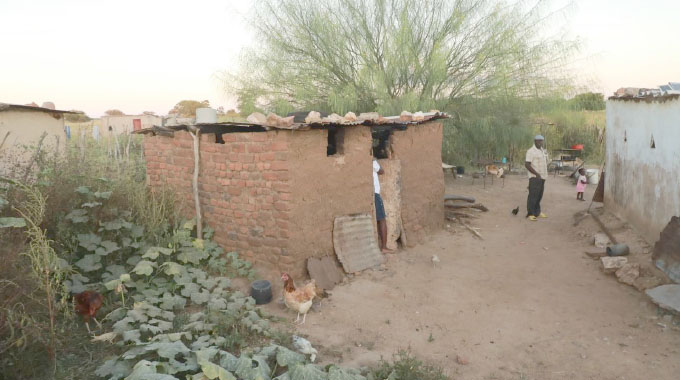
The houses — ranging from urban-style dwellings to tents and huts — are old and dilapidated. There are no ablution facilities and tap water remains a pipe dream.
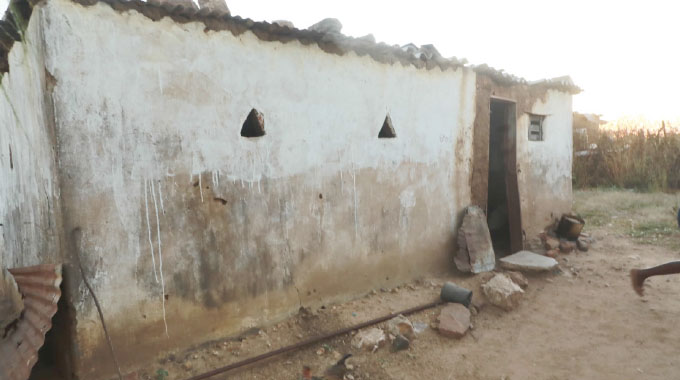
While squatters at Ngozi Mine often attract the attention of city authorities with occasional dumpsite fires that affect neighbouring suburbs like Cowdray Park, Cabatsha lacks any similarly attention-grabbing features.
Joy is often only attained when residents grow old enough to leave and make a life elsewhere. Even so, Khumalo says this is not enough.
“We get visits from North End Clinic and Sizwelethu for medical services. We also receive some services from the council, like water provision, but the truth is, we face a lot of unfulfilled promises.
“Many of our children return from South Africa, where they went to seek jobs and when they come back, we want them to find opportunities here as well. Various agricultural projects were promised, but nothing has materialised. It is killing the spirits of people around here.
“If our children could come home and find that their parents are engaged in meaningful activities, they might be encouraged to stay as well,” said Khumalo.
Instead of ushering in a new era of plenty, the discovery of gold near Cabatsha has ironically dealt a blow to the local community.
For older residents like Khumalo, it has introduced a level of violence they had never experienced in their youth.
Over the years, Khumalo has learnt that quiet diplomacy is the only way to defuse potentially explosive situations within the community.
“We have had problems with ogweja (gold panners), and we had to work closely with the police to maintain order and quell violence. We have discovered that we must be diplomatic in our approach because a gweja is a unique individual,” he explained.
“We try to ascertain their identities without causing unnecessary conflict. Since they come from outside communities, we attempt to determine their origins and whether they have any outstanding warrants before taking action.
“Of course, in the past, we have found that our investigations were sometimes too late. They form relationships with young women here, resulting in pregnancies and fathers are often reluctant to have their grandchild’s father arrested.
“Who will care for the child? We handle such matters delicately because we have learnt that these individuals can be violent. They can destroy your entire house and threaten your family.”
Khumalo’s “assistant,” Gilbert Ncube, whose father arrived in Cabatsha in 1947, told Sunday Life that he remembers when the community was more peaceful.
Having lived his entire life in the settlement, he is now preparing to become a great-grandfather.
“When the farmers who owned this land left, they did not provide our parents with pensions, but they allocated this portion of land as compensation for their years of service,” Ncube recalled.
“They said this area would serve as their pension for the rest of their lives. My father came here in 1947, at the age of 16, and worked his way up from a farmhand to a foreman. He lived and worked here until the white farmers departed.
“He died here and I have raised my family here. My eldest child now has three children and I will likely become a great-grandfather soon. When I was a child, the population was much smaller, but it has continued to grow while the available space remains the same.
“This is all we know. We wish we could be given more space elsewhere nearby so our families can also expand. Even if the council relocated us, we would be stranded. Where else could we go?”
As Ncube spoke, Virginia Dube, another long-time resident washing laundry in a dirty stream, also sought to share her concerns.
For Ncube, the problems at Umvutshwa, which lacks ablution facilities, boil down to the struggle for water.
“Water is a serious problem here. As you can see, I wash my laundry in this stream, which is essentially sewage,” she said.
“I have no other choice. What else can I do? The water smells and I can only use it to wash clothes with fabric softener. There is no water for cooking or washing dishes. We spend most of our days searching for burst pipes.”