admin
adminof its latest quarterly economic outlook.
The investment bank’s previous forecast had predicted growth of 2,8 percent.
The extent of the slowdown is in line with consensus forecasts, but other research has mainly cited the negative effects of Europe’s debt crisis on exports and slackening consumer demand.
Mining pulled out of recession in the fourth quarter of last year, when growth in the economy accelerated to 3,2 percent from 1,7 percent in the third quarter.
Absa Capital economist Jeffrey Schultz said on Tuesday that limited power supply this year could lead to a shift in the fortunes of the sector, which accounts for most of South Africa’s exports in value terms.
“There is most definitely a risk that the mining sector does fall back into negative territory, especially in the first half of the year,” he said.
Constraints in electricity supply could also be a “hand brake” on growth in 2013 and 2014, Mr Schultz said.
Nedbank economist Dennis Dykes said that electricity supply had become an issue this year, because demand had returned to levels reached before the power crisis in 2008, which forced mines to shut down for a week. The recession in 2009 had helped to reduce electricity demand.
“There is no doubt that electricity is a constraining factor this year . . . we are heading fast towards the rocks unless we can cut back on demand without damaging economic growth,” Mr Dykes said.
“Against that background we’ve seen a lot of companies put investment projects aside until they are more comfortable about reliable base load supply.”
Nedbank also predicts that growth in the economy will slow to 2,7 percent this year.
Eskom spokeswoman Hilary Joffe on Tuesday repeated the utility’s warning that the power system would be “tight” for at least the next two years until new capacity came on line.
“We had projected that 2012 would be the most constrained year,” she added.
The National Energy Regulator of South Africa cut the average increase in Eskom’s electricity prices to 16 percent for 2012-13, down from a previously planned 25,9 percent increase.
This will help to curb rising inflation, which is expected to erode disposable income this year and hit consumer demand — the economy’s main engine.
But electricity supply is a big concern for the mining sector, which contracted for three-quarters in a row last year.
Domestic ferrochrome companies have been asked by Eskom to idle their furnaces to help the power utility to deal with electricity demand, in return for payment. South Africa is the world’s largest supplier of ferrochrome. — Businessday.
The possibility of further labour unrest this year will also take a toll on mining output, and economic growth. Production at Impala Platinum, the world’s second-biggest producer of the metal, was hit by a six-week strike at the start of this year.
Absa Capital pointed out that investment in the economy was nonetheless growing, helping to offset the “somewhat slower” consumer spending that was expected for this year.
Its quarterly outlook forecast that inflation would peak at 6,7 percent by the middle of this year, before easing back inside its 3 percent – 6 percent target range by early next year.
Absa Capital expects the Reserve Bank to raise interest rates by half a percentage point at its monetary policy meeting in November, which will be the last scheduled for this year. Nedbank has a similar view.
The Bank has kept its key repo rate steady at 5,5 percent, a 30-year low, since November 2010–Businessday


Online Reporter
- Herald
- October 2, 2026
- 21 views
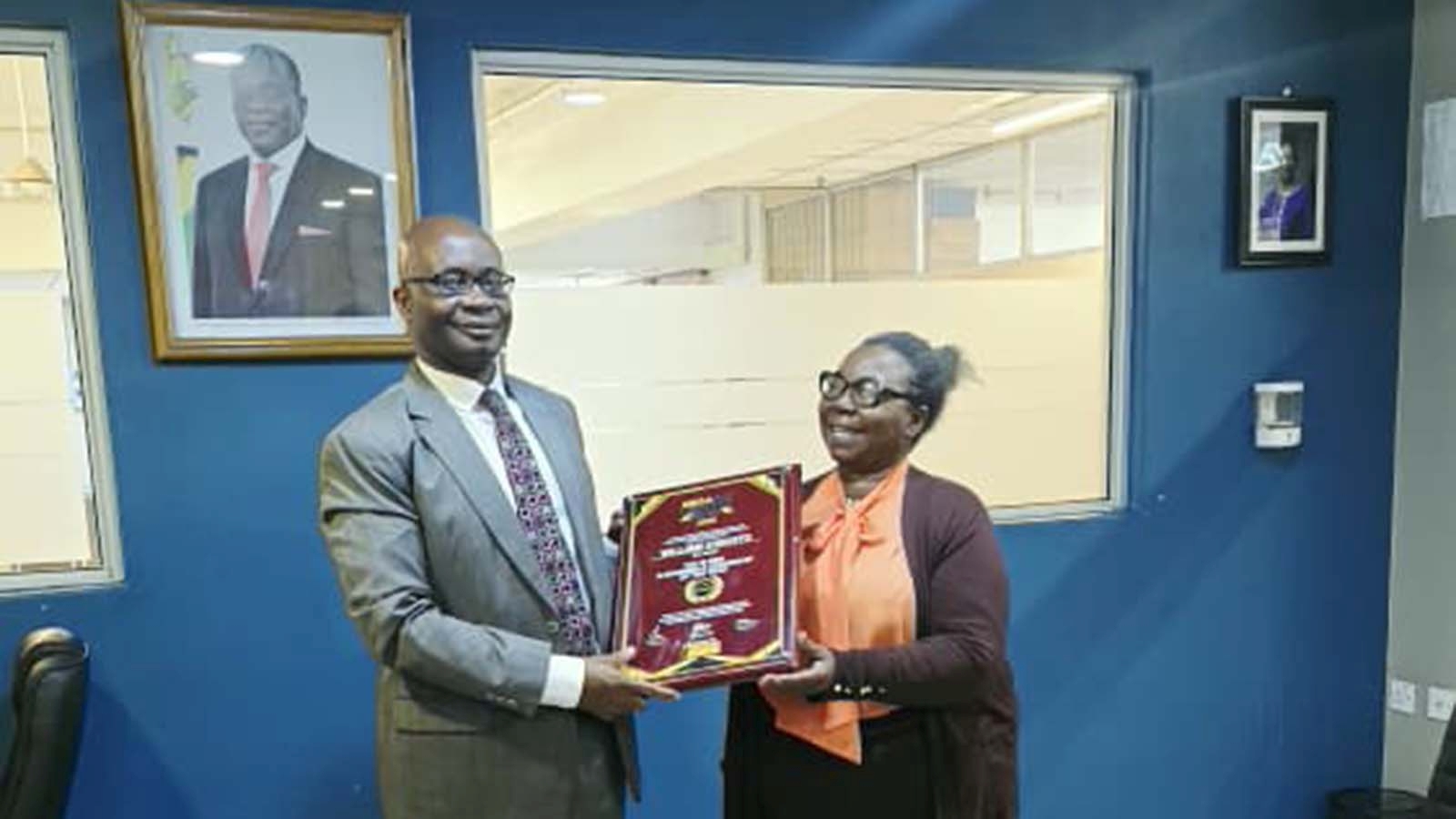
Megafest honours business excellence
Ivan Zhakata Herald Correspondent MEGAFEST Holdings has honoured 20 business leaders for excellence, innovation and resilience at the 2026 Megafest Top 20 Business Awards held in Harare on Wednesday night.…