Online Reporter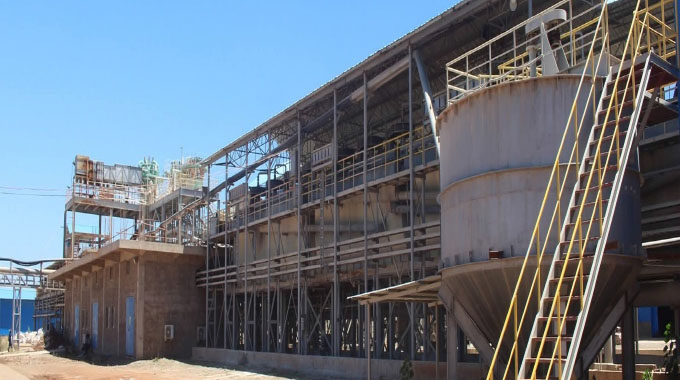
Nelson Gahadza, Senior Zimpapers Writer
THE Government will prioritise the beneficiation of lithium during the National Development Strategy 2 (NDS2) implementation period, from 2026 to 2030, building on the gains achieved under NDS1 (2021-2025).
During the NDS1 period, the country transitioned from exporting raw lithium ore to exporting lithium concentrate.
Zimbabwe, which holds the largest lithium reserves in Africa and the fifth-largest deposits globally, is positioning the mineral as a key driver of the mining sector’s contribution to the economy and the green-energy-led industrialisation agenda.
The country also has the highest number of lithium projects under exploration and development on the continent, underscoring its growing strategic importance within global battery mineral supply chains.
Finance, Economic Development and Investment Promotion Minister Professor Mthuli Ncube, in the NDS2 document, said that during NDS1, lithium emerged as a strategic growth sub-sector, with policy interventions restricting the export of raw lithium ore and anchoring significant investment into beneficiation.
“Under NDS2, the Government intends to move the lithium value chain further upwards, prioritising the beneficiation of lithium concentrates into lithium salts. Already, lithium players have made progress towards investing in facilities that will convert lithium ore into lithium salts by 2027. In this regard, the Government will phase out the export of lithium concentrates by January 2027 and support the production and export of lithium salts to strengthen the domestic lithium value chain,” he said.
He noted that NDS2 will prioritise the transition from the production of lithium sulphate to lithium carbonate and lithium hydroxide, which are critical inputs in battery manufacturing.
In Zimbabwe, major lithium operations include Bikita Minerals, Kamativi, Sabi Star, Zulu and Arcadia, which are currently investing in processing infrastructure that supports beneficiation and value addition.
According to Minister Ncube, the growth of the lithium industry under NDS1 also contributed to broader expansion within the mining sector, driven by investment inflows that supported the opening of new mines, the resuscitation of closed operations and the expansion of existing ones across the country.
“Significant progress was recorded in mineral beneficiation and value addition, particularly in lithium, iron and steel, platinum, chrome and coal value chains, although some minerals continued to be exported in raw form,” he said.
Economist Mr Walter Mapfumo said the NDS2 focus reflected a deliberate effort to maximise economic returns from the country’s mineral endowment.
“The transition from exporting concentrates to producing lithium salts marks a critical inflection point for Zimbabwe’s mining sector,” he said.
He added that lithium carbonate and lithium hydroxide command significantly higher value and offer stronger linkages with downstream industries such as battery manufacturing.
“This approach is consistent with the broader objective of avoiding the export of jobs and deepening industrialisation,” he noted.
He further said that the policy certainty provided under NDS2 would be critical in unlocking additional capital investment and facilitating technology transfer within the sector.
Financial analyst Mr Malone Gwadu said the gains recorded during NDS1 demonstrated the effectiveness of the beneficiation-led policy approach.
“Restrictions on raw lithium exports under NDS1 forced capital to flow into processing and beneficiation, particularly at flagship projects like Bikita and Arcadia.
“NDS2 now builds on that base by pushing the industry into battery-grade products, which aligns Zimbabwe with global energy transition trends,” he said.
Mr Gwadu noted that while progress has been made, the continued export of some minerals in raw form highlights the significant potential under NDS2 to strengthen domestic value addition, deepen linkages with manufacturing and services, and promote technology transfer.
The Government believes that leveraging lithium beneficiation under NDS2 will not only strengthen the mining sector but also support broader structural transformation, positioning Zimbabwe as a competitive player in global battery and green energy value chains.