Londile Moyo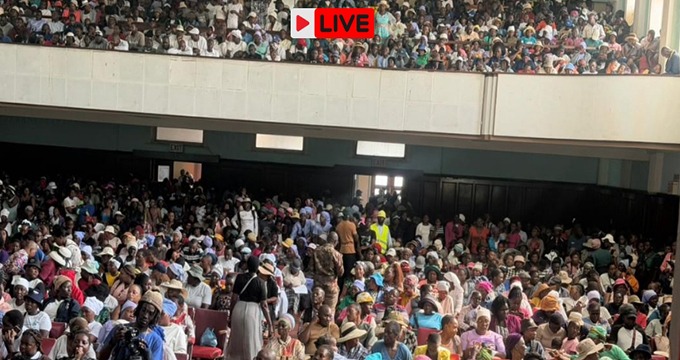
Bulawayo takes centre stage today as it hosts public hearings for the Constitution of Zimbabwe (Amendment No. 3) Bill, 2026, drawing citizens from across the city into a process that could reshape the country’s governance and electoral framework.
At the heart of the proceedings is a rare opportunity for ordinary Zimbabweans to directly contribute to proposed constitutional changes, as Parliament rolls out nationwide consultations across all districts.
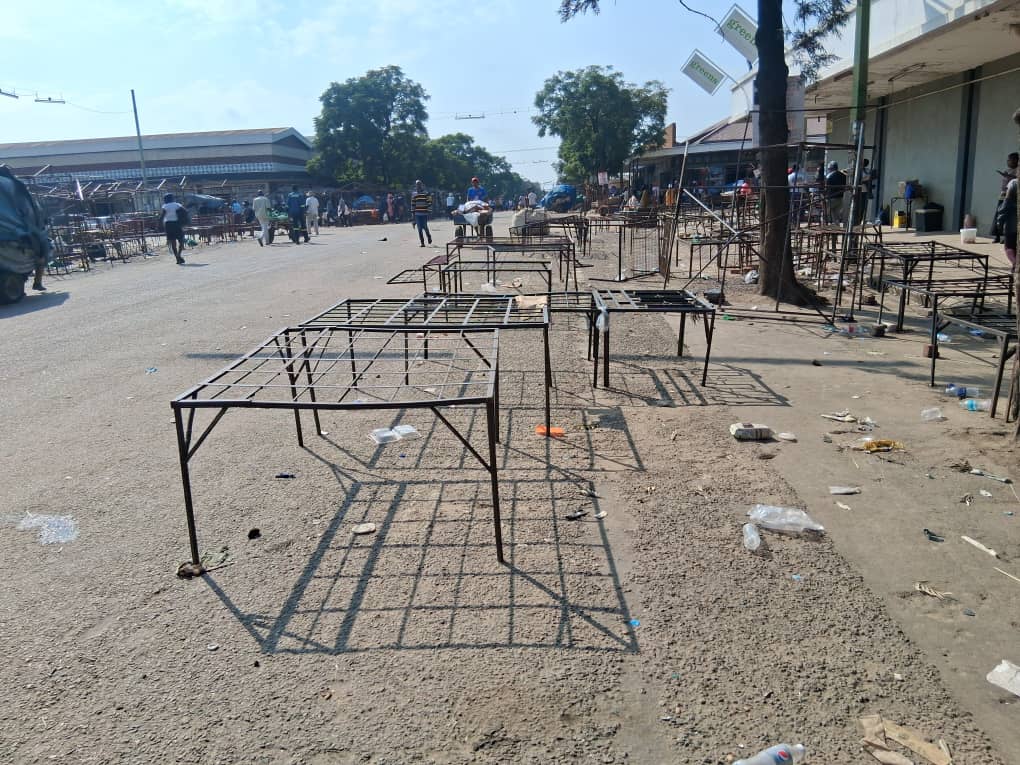
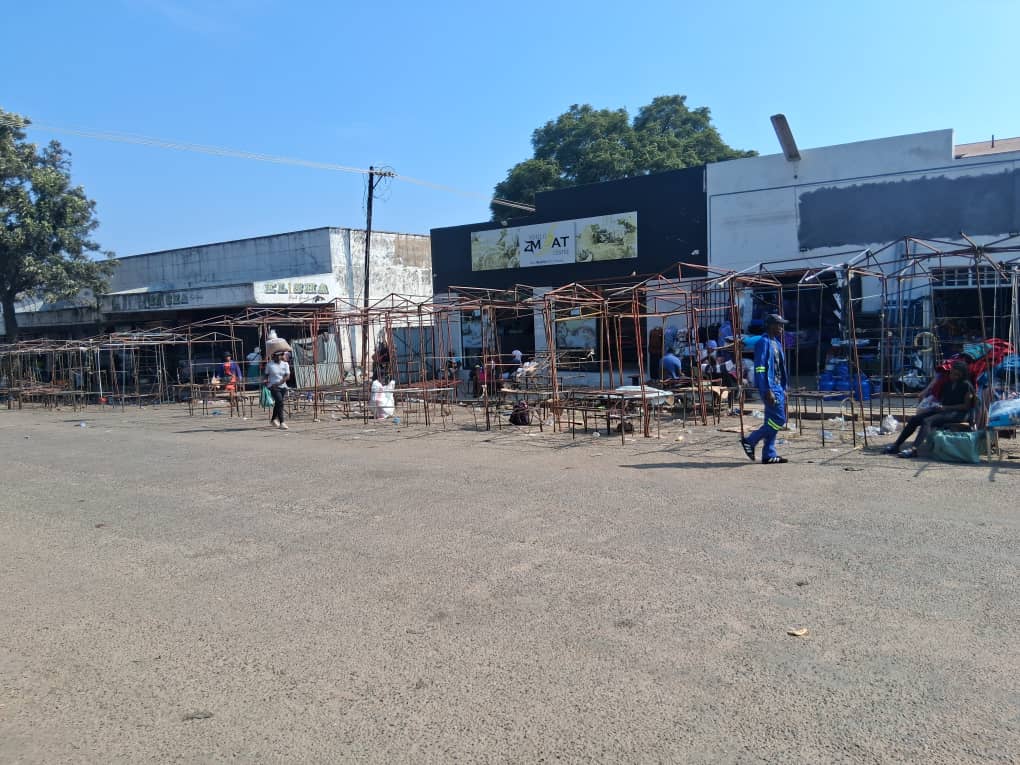
The hearings come at a time of heightened public interest in governance, accountability and representation, with various sectors — including informal traders, civil society groups and residents — expected to weigh in.
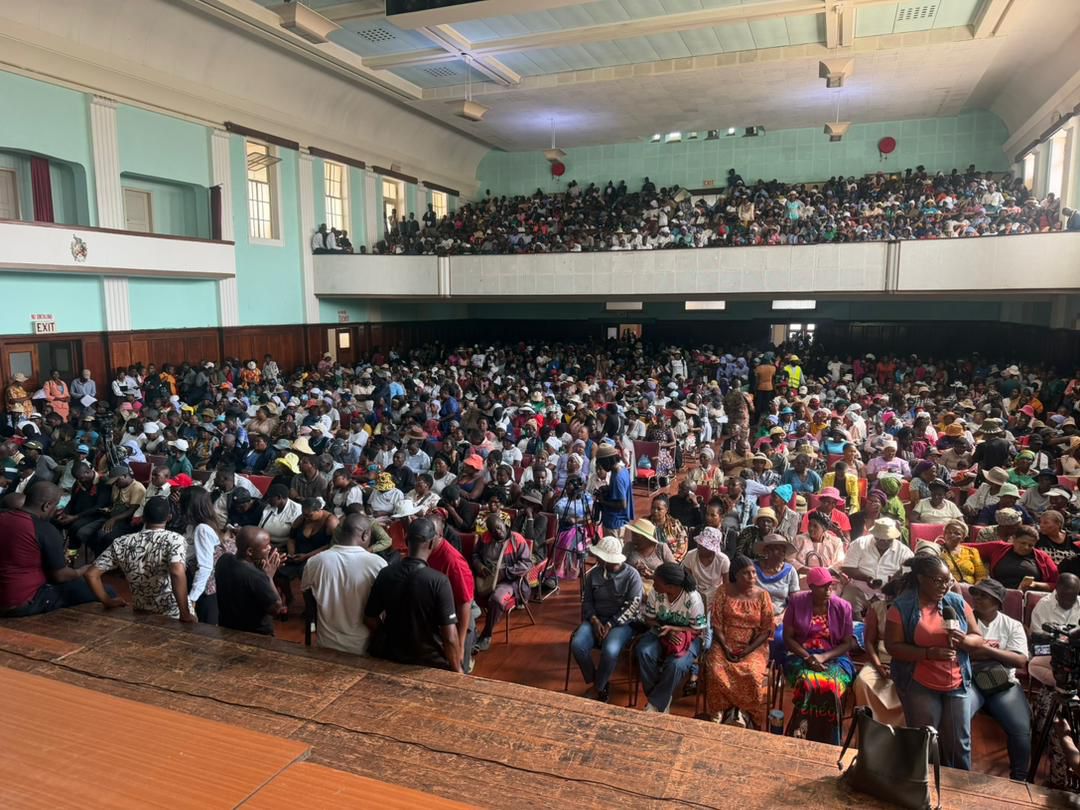
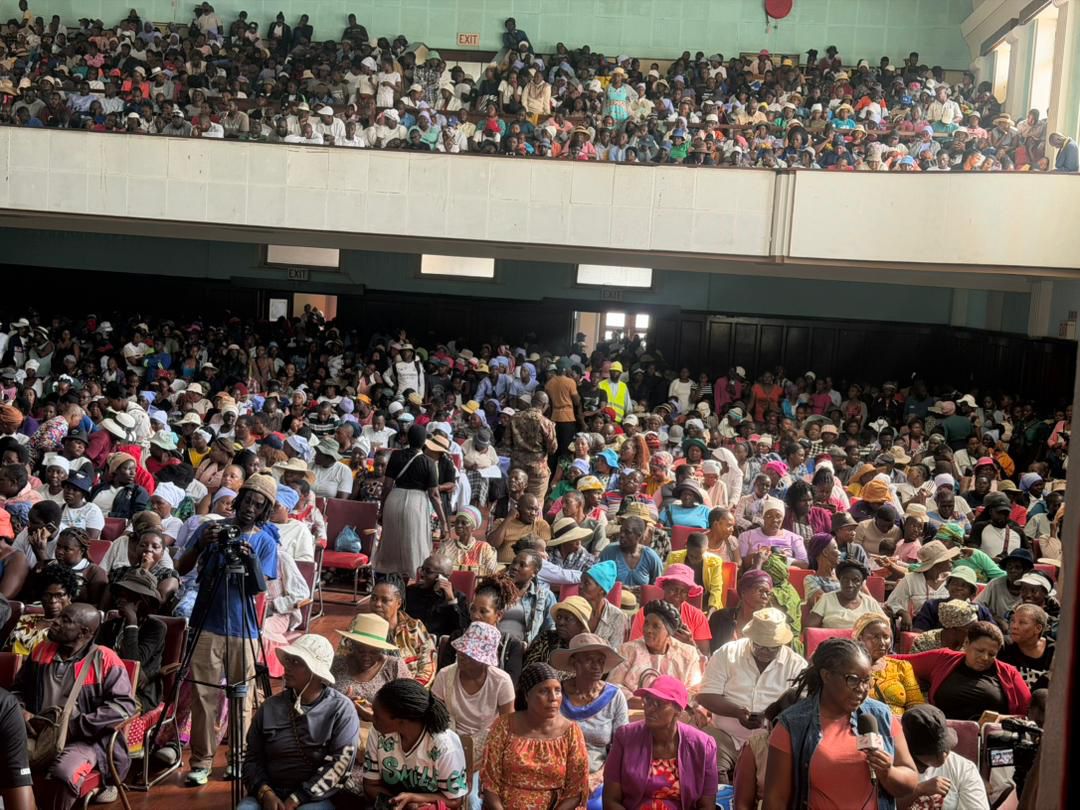
A huge turnout at Large City Hall in Bulawayo today, one of the key venues for the Constitutional Amendment (No. 3) Bill hearings.
This massive showing underscores the high level of public interest and the community’s eagerness to weigh in on the proposed legislative changes.
Constitutional Amendment Bill Number 3: A human right for Zimbabwean citizens
Richard Muponde, [email protected] consulting
THE Constitutional Amendment Number 3 Bill is no longer a distant policy proposition whispered about in political corners and media spaces; it is now moving towards public consultation through the Parliament of Zimbabwe, and that shift changes everything.
The debate has crossed from theory into national process, from closed argument into public scrutiny, from rhetorical contest into a test of democratic seriousness.Politics
This is the point at which constitutional reform ceases to be a matter for elites alone and becomes a question placed squarely before the nation.
That is why Article 21 of the Universal Declaration of Human Rights now sits at the centre of this debate. Its language is clear and uncompromising. “Everyone has the right to take part in the government of his country, directly or through freely chosen representatives.” It further states that “Everyone has the right of equal access to public service in his country” and that “The will of the people shall be the basis of the authority of government”.
Those principles are not decorative. They are the democratic standard by which constitutional change must be measured.
For Zanu-PF, the Bill’s movement into public hearings is precisely what gives it democratic legitimacy.
Once Parliament opens the process to citizens, the reform becomes a national exercise in representation and participation.
In that reading, the process itself becomes part of the people’s political rights. The reform is therefore framed not as an assault on democracy, but as democracy in motion.Politics

The Shift from Political Noise to National Process
There is a reason why Zanu-PF insists that the process has reached a point of no return. Since its gazetting in February, the measure has steadily moved from abstraction towards institutional reality.
It has “entered a decisive phase”, and public hearings mark the moment it “ceases to be elite-driven and becomes embedded within the collective national consciousness.”
That is not just dramatic phrasing. It is an attempt to locate the Bill within the democratic space created by Parliament and public engagement.
Under Article 21 of the Bill of Rights, participation in government does not begin and end with election day.
It also includes the right of citizens to shape the structures through which they are governed, whether directly or through representatives. That is why the public consultation stage matters so deeply.
It is the democratic proving ground. If citizens can attend, speak, object, endorse and influence the final shape of the Bill, then supporters have a plausible case that the process reflects the principle that governmental authority must rest on the will of the people.
Stability, Delivery and Institutional Order
The most forceful defence of Amendment No. 3 is that it is being advanced as a refinement rather than a rupture.
Zanu-PF and the masses insist that it does not tear up the constitutional order but seeks to improve governance structures that have proven cumbersome, inefficient or poorly aligned with national development goals.
That argument is reinforced by the entrenched provisions such as the Declaration of Rights, presidential term limits and land reform clauses, which remain untouched.
The Bill’s proponents have therefore built their case on pragmatism. They say the reform is intended to improve electoral management, institutional coordination, legislative effectiveness and long-term governance.
In other words, it is a correction of operational weaknesses rather than a betrayal of constitutional principle.
That case is stated plainly by Justice Minister Ziyambi Ziyambi, who says, “The extension of electoral cycles is about stability and development. It ensures that governments are judged on delivery, not on rhetoric and that our democracy produces results for the people.”
This captures the central philosophy of the reform camp. Their argument is that democracy cannot survive on permanent campaigning, endless political drama and short-term electoral calculations.Politics
It must instead create enough political space for governments to implement policy, build infrastructure and be judged on results rather than slogans.
This is where the debate becomes intellectually serious. Zanu-PF and the masses are effectively arguing that democratic legitimacy is not exhausted by frequent elections.
They say legitimacy also depends on whether institutions are structured to produce stability, coherence and development.
That is the lens through which they defend the proposed seven-year electoral cycle.
Representation beyond populism
Few proposals in the Bill are more politically explosive than the plan for parliamentary election of the President.
Critics see danger in it because it reconfigures the direct relationship between citizens and the presidency.
Supporters, however, present it as an attempt to strengthen institutional democracy. Their reasoning is blunt.
Parliament is made up of “freely chosen representatives”, and therefore leadership chosen through Parliament can still be said to emerge from the people’s will as fulfilment of Article 21 of the Bill of Rights.
This argument is not without force. Article 21 expressly protects participation “directly or through freely chosen representatives.”
The reform camp therefore, says that representative democracy is not diminished when institutions, rather than mass presidential contests, become the mechanism through which executive authority is formed. In their view, the amendment would shift politics away from personality cults and populist emotionalism towards collective decision-making anchored in parliamentary legitimacy.Politics
Whether one agrees or disagrees, it is clear that the proposal is grounded in constitutional theory, not merely party convenience.
They are arguing that the people’s will can be expressed through elected representatives acting in Parliament, and that institutional coherence may in fact strengthen democratic order.
Expertise, efficiency and the reworking of institutions
The same reasoning is used to defend provisions on appointed senators, the voters’ roll and the restructuring of rights institutions.
The proposal to allow the President to appoint additional senators is presented not as legislative capture, but as a route to specialised expertise and wider representation.
Supporters argue that elections do not always produce the broadest possible pool of knowledge and experience, and that governance sometimes requires the inclusion of voices that can strengthen debate and policy oversight.
The technical reforms to the voters’ roll are defended on similar grounds. By moving responsibility to the Registrar General, the Bill’s backers argue that electoral administration can be tied more closely to civil registration systems, reducing inconsistencies and enhancing credibility. In their telling, this is not about weakening democracy but about making it work more effectively.
On gender rights and institutional architecture, Minister Tatenda Mavetera states: “The amendment will remove duplication of functions. The Zimbabwe Human Rights Commission is mandated to protect all human rights, including gender rights.”Agri-business consulting
The argument here is administrative, not ideological; institutions should be streamlined where duplication weakens efficiency.
Constitutional Change Is Not Constitutional Betrayal
One of the most important arguments made by Zanu-PF on Amendment No. 3 is that constitutional reform is not an aberration. It is part of constitutional life.The 2013 Constitution, they insist, was itself a negotiated settlement born of compromise, and as such can be refined.
That point is made directly by Cde Paul Mangwana, who was part of the Copac.
“No constitution is perfect at birth. The 2013 Constitution was a compromise document. Amendment No. 3 Bill is part of the necessary refinement to ensure that our democracy is functional, efficient and aligned with our developmental aspirations,” Cde Mangwana said.
President Mnangagwa places the same point in even broader terms.
“Our democracy must serve the people in their present context. Reform is not betrayal. Reform is fidelity to the principle that governance must evolve to meet the needs of the nation,” President Mnangagwa said.
This is the philosophical shield around the Bill. Reform is cast not as treason against democracy, but as loyalty to the principle that constitutional systems must respond to lived realities.
Read alongside Article 21 of the Universal Bills of Human Rights, the message is unmistakable.
The people’s will is not trapped in a single constitutional moment. It can also be expressed through lawful amendment, through Parliament, through consultation and through the institutions that represent the nation.
The democratic threshold has been reached
That is why Amendment No. 3 now stands as Zimbabwe’s defining democratic test. Zanu-PF has built a serious case around stability, institutional order, representative participation and developmental governance.Agri-business consulting
They have anchored their defence in the language of reform, not rupture. They have argued that public consultation through Parliament is precisely the mechanism that gives constitutional change democratic legitimacy.
‘Amendment No. 3 Bill strengthens institutions’
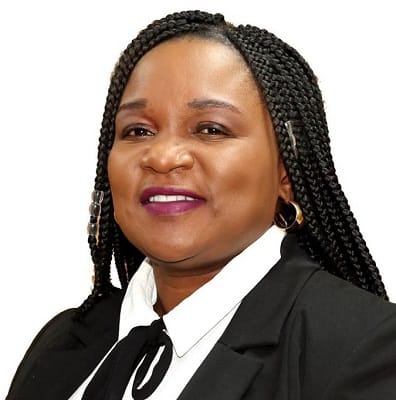
THE Attorney-General, Mrs Virginia Mabiza, has moved to clarify public confusion over the Constitution of Zimbabwe (Amendment No. 3) Bill, saying the proposed changes are designed to strengthen electoral institutions rather than benefit individual office bearers.Chronicle archives access
Amid growing public debate over the Bill’s implications for the country’s electoral framework, the AG urged citizens to rely on the officially gazetted text rather than speculation.
“The Bill proposes amendments to certain provisions of the Constitution, including sections 92, 95, 143 and 158,” Mrs Mabiza said.Zimbabwe travel guide
“These provisions relate primarily to the framework governing the timing and conduct of national elections.”
At the heart of the proposed amendments is a shift in the electoral cycle, from five years to seven years for harmonised elections covering the Presidency, Parliament and local authorities.
Mrs Mabiza said the current constitutional framework links these offices through a harmonised electoral system.
Section 95(2)(b) governs the presidential term within this cycle, while section 143(1) addresses the duration and dissolution of Parliament. These work together with section 158, which regulates the timing of general elections.
“The Bill proposes to amend section 95(2)(b) and section 143(1) by substituting the current five-year electoral cycle with a seven-year cycle, while maintaining the harmonised nature of elections for Parliament and Local Authorities as provided for under section 158,” Mrs Mabiza said.
Crucially, she said the amendments do not alter constitutional provisions relating to presidential term limits.
“It is important to note that section 95(2)(b) does not deal with or alter the constitutional provisions relating to presidential term limits, which remain governed by other provisions of the Constitution,” Mrs Mabiza said.
The Attorney-General added that the changes are institution-focused, designed to ensure continuity and efficiency in national governance rather than serving individual office bearers.
“These amendments are not designed to benefit office bearers, but rather they reform institutions that automatically fall under the electoral cycle,” said Mrs Mabiza.
The Bill also contains transitional provisions clarifying how the proposed seven-year cycle will apply to the current electoral period, ensuring a clear legal pathway for implementation.
Mrs Mabiza urged the public to refer directly to the Bill as officially gazetted on 16 February 2026 by the Speaker of the National Assembly, Advocate Jacob Mudenda.
“The Bill and the Memorandum constitute the authoritative legal text outlining the proposed amendments and the rationale for those amendments, following Cabinet approval on February 10, 2026,” she said.
The AG said debate on the matter should be anchored on the actual text rather than speculation about political motivations.Politics
“Members of the public are therefore encouraged to refer directly to the gazetted Bill when considering the content and effect of the proposed amendments,” Mrs Mabiza said.
Bulawayo’s Nketa Hall full to the brim as residents attend Bill No. 3 public hearings
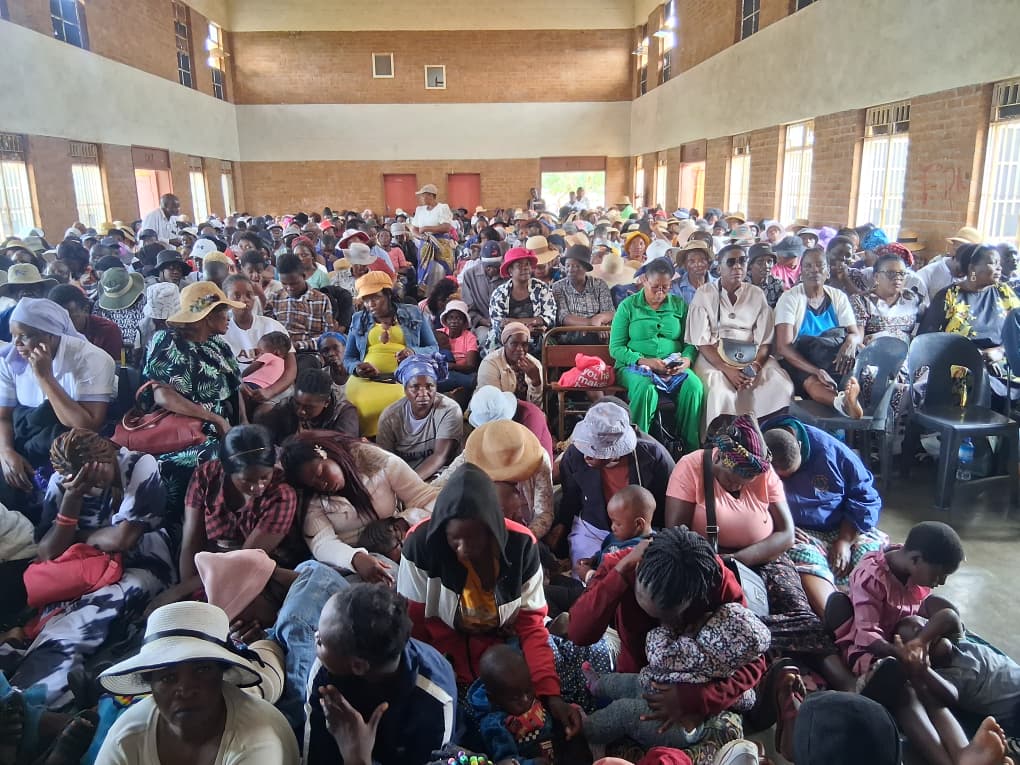
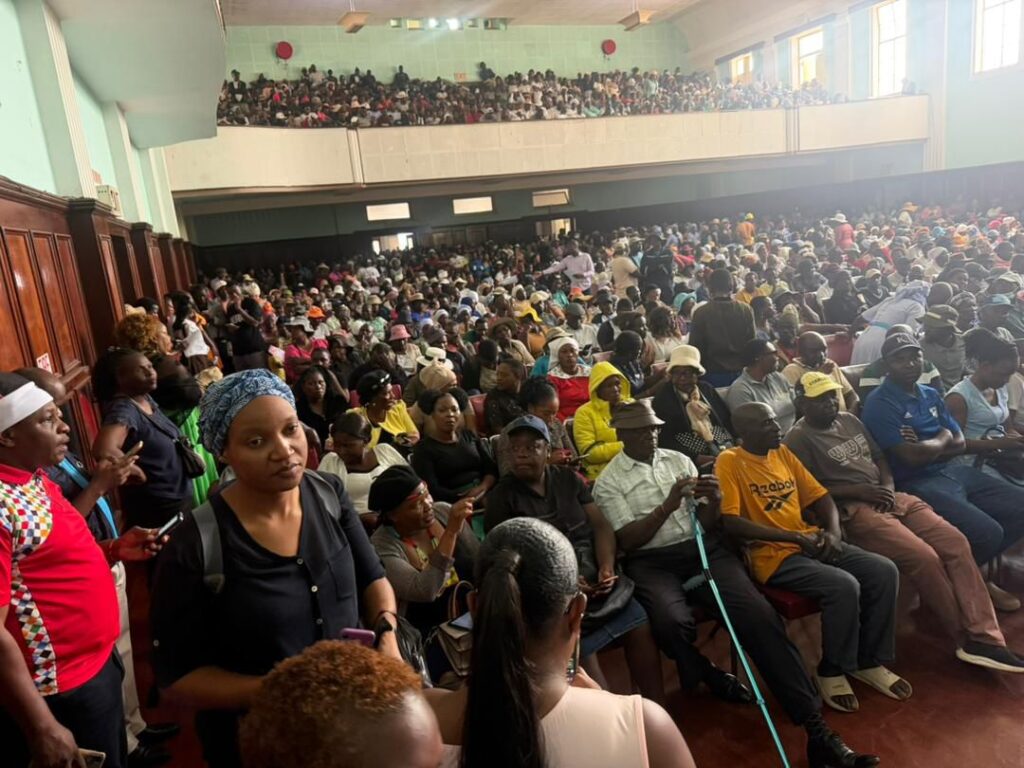
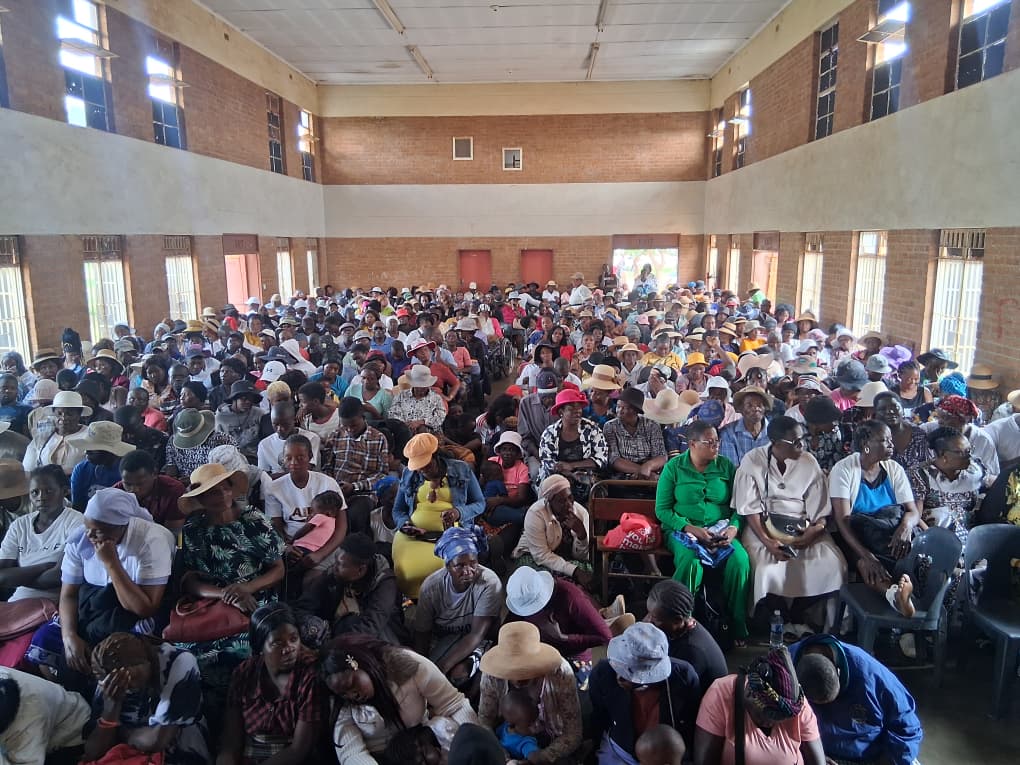
NKETA Hall in Bulawayo is full to the brim as hundreds of residents turn up in their numbers to participate in the public hearings for the Constitution of Zimbabwe (Amendment No. 3) Bill, 2026. The hearings are taking place on Monday, having been held earlier in the morning at the Large City Hall in Bulawayo.
The huge crowd underscores the high level of public interest and the community’s eagerness to weigh in on the proposed legislative changes.
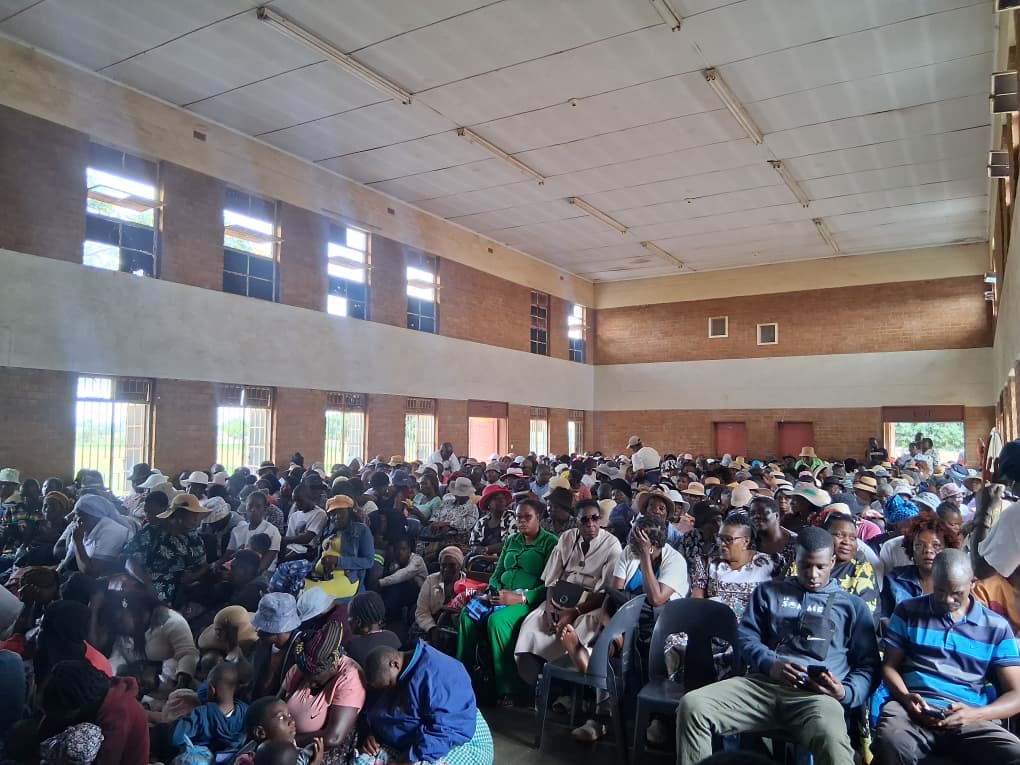
Parliament deploys 11 teams throughout the country to conduct public hearings for the Constitution of Zimbabwe (Amendment No. 3) Bill, 2026.
The public hearings mark a critical stage in Zimbabwe’s constitutional reform process, giving citizens a direct platform to shape proposed changes that could significantly alter the country’s electoral framework and governance structure.
The four-day hearings, which run until Thursday, are conducted across all 64 districts, with thousands of Zimbabweans expected to participate.
Constitutional Amendment Bill No 3 public hearing has just commenced at Nketa Hall in Bulawayo with large numbers of the people in attendance.



 Online Reporter