Sidumisile Mabena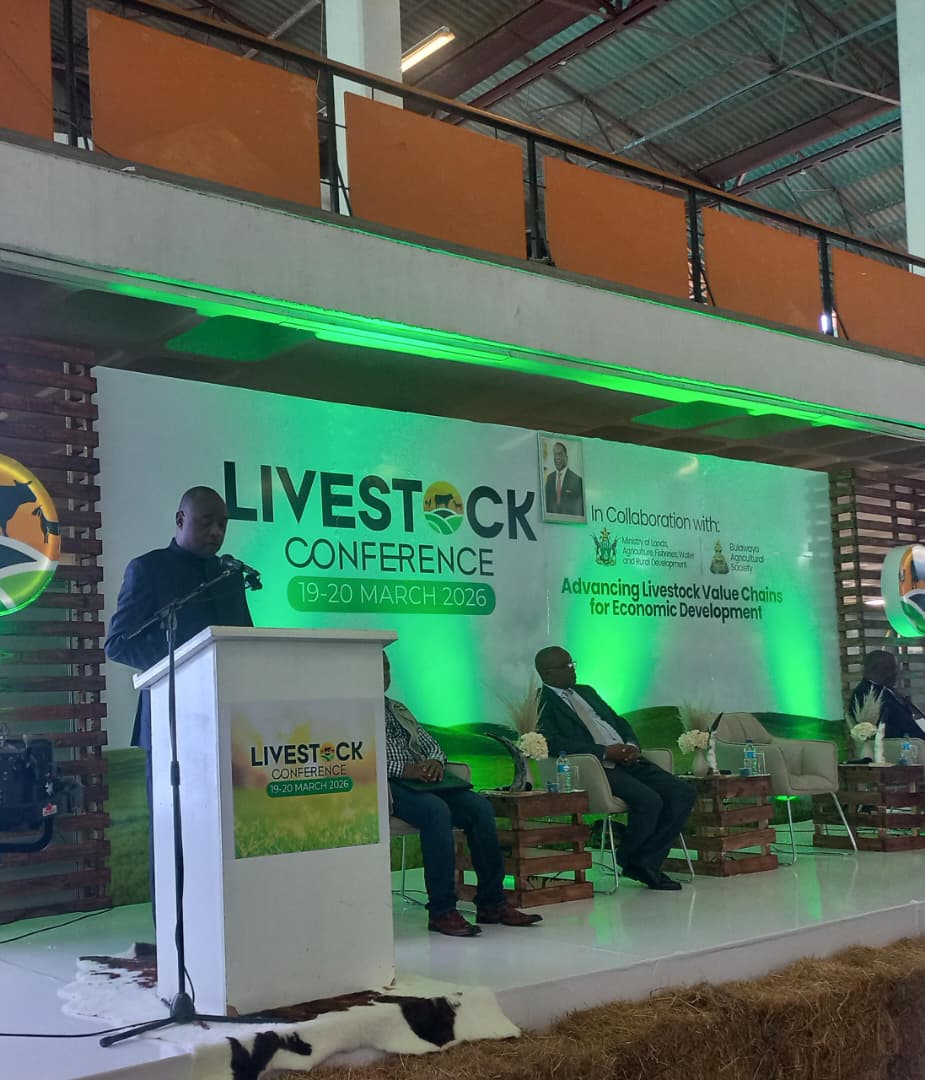
Judith Phiri
THE Government has urged livestock farmers and stakeholders to come up with practical solutions to various challenges faced as that would aid in achieving set sectorial targets and growing the agriculture sector to US$15.8 billion by 2030.
Under the Agriculture Food Systems and Rural Transformation Strategy 2 (AFSRTS 2), which runs from 2026 to 2030, Zimbabwe is set to boost the sector from its 2025 estimated value of US$10.3 billion to US$15.8 billion by 2030.
In a keynote address at the second edition of the Zimbabwe International Trade Fair (ZITF) Company Livestock Conference in Bulawayo, Ministry of Lands, Agriculture, Fisheries, Water and Rural Development Deputy Minister Davis Marapira said the livestock sector plays a key role under the AFSRTS 2.
“The strategy relies heavily on climate-smart livestock production, including increasing beef exports, livestock diversification and improved feeding practices to enhance value. We anticipate the livestock sector to play a critical role in transforming the livestock sector from its 2025 estimated value of US$10.3 billion to US$15.8 billion by 2030,” he said.
He said they were focusing on five key elements, which are food and nutrition security, improved livelihoods, agriculture-based economy and economic development, as well as land tenure security.
The Deputy Minister said the livestock sector was a critical engine for each of these areas.
“Let us reflect on where we stand. Under the first phase of our strategy, we witnessed remarkable progress. The national cattle yield has grown to over 5.7 million. Milk production has increased to 114 million litres per year.
“Our poultry and pork sector have shown commendable growth. The Government’s Rural Development 8.0 programmes including the Presidential Poultry Scheme and Presidential Dipping Programme, among others will help to actively reshape rural economies and improve nutrition and income from our livestock sector,” he added.
Deputy Minister Marapira said these were strategic investments to build a foundation of commercial production.
He called for collaboration to address challenges that lie ahead such as climate change, with its increasing frequency of droughts, directly impacting pasture and water availability.
The Deputy Minister said disease outbreaks, like the January Disease, challenge the livestock markets.
“These challenges demand that we build a resilient, productive and commercially oriented livestock sector. I have been discussing with my colleagues from my Ministry and from Bulawayo that let’s not talk about droughts and not have solutions.
“We should always mention the word drought and come up with solutions from this house. How are we going to manage drought problems?
He called on livestock research in Zimbabwe to focus on enhancing climate resilience, improving indigenous breeds, and increasing smallholder productivity.



 Online Reporter