Online Reporter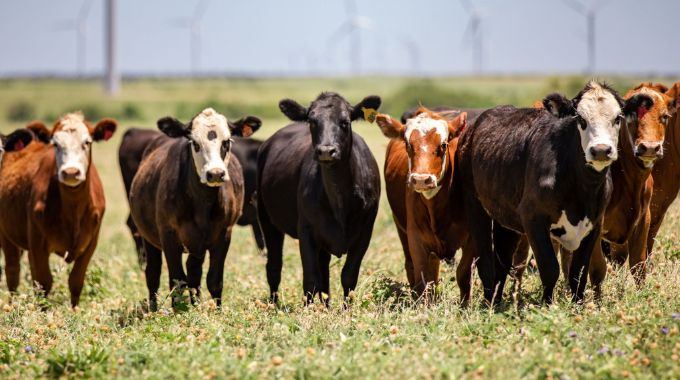
Edgar Vhera, Specialist Writer – Agribusiness
LIVESTOCK is not just animals, but wealth, food security, jobs and the resilience for millions of households, especially in rural communities.
For many families, cattle, goats and other small stock are more than herds in a kraal — they are a bank that never closes.
This came out at the inaugural Agricultural Development and Promotion (ADP) livestock conference held recently in Harare.
The conference ran under the theme: “Building Resilient Livestock Systems towards a US$15, 8 billion Agriculture Economy by 2030: Addressing the Production and Marketing Challenges.”
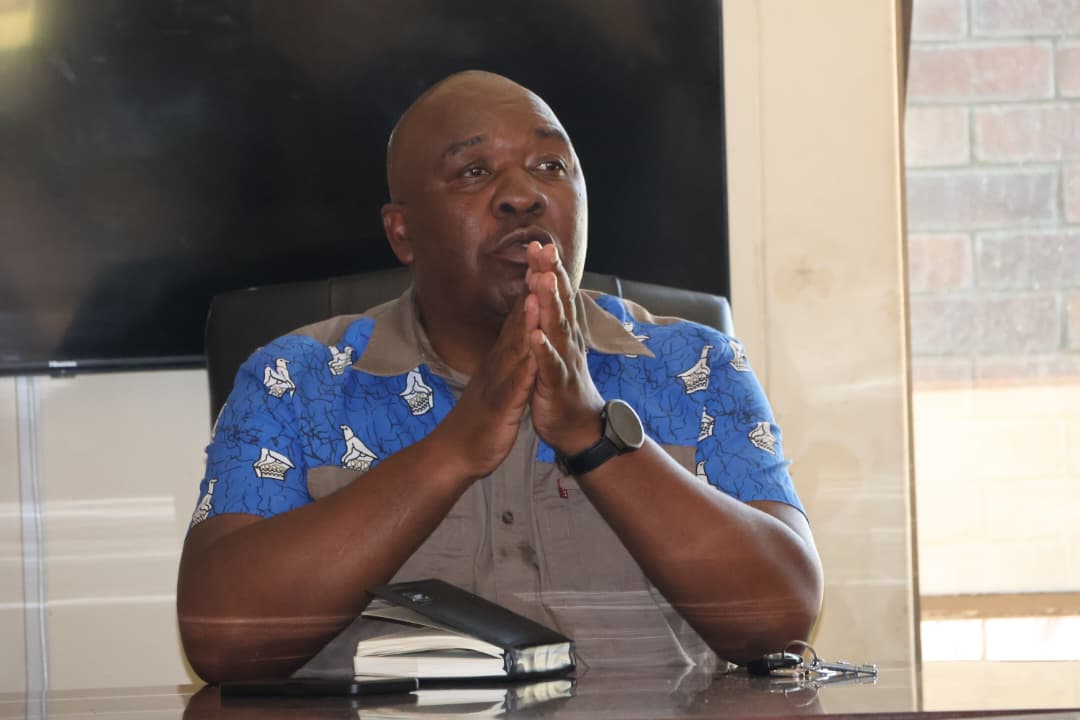
Zimbabwe Agricultural Society (ZAS) president Mr Ngoni Kudenga said it was important to take care of livestock as it was a source of wealth.
“From cattle in Matabeleland to goats in Masvingo, to poultry in every backyard, livestock is the bank that never closes.
“The theme of our engagement today is clear: solutions. We are gathered here because our sector faces real challenges,” he said.
Disease outbreaks like Food ‘n” Mouth (FMD), January disease and avian influenza are costing animals, markets and investment.
Mr Kudenga said climate change was also threatening veld and water, yet real opportunities such as growing regional demand, new technologies like Artificial Insemination (AI) and young people who are ready to farm differently existed.
“ZAS’s mission is to promote, develop and showcase agriculture for the prosperity of Zimbabwe while ADP is the vehicle to move from talk to action.
“We are here to connect policy to the partner, research to the farmer and finance to the farm gate,” he said.
Mr Kudenga called on all participants to design financing that works, markets that are fair and put in place biosecurity that protects everyone.
Livestock farmer, Dr Divine Ndhlukula, said farming was far more than a corporate job but a profound way of life, filled with sleepless nights, environmental wildcats and immense triumphs rooted in a deep connection to the land and to the animals entrusted in the farmer’s care.
“So, we run the farm-to-farm integration business model called farm-to-folk. Sustainability is no longer a trendy corporate buzzword that we throw around to satisfy our funders out there,” she said.
She added that climate change was alive, aggressive and playing out in real time across grazing lands.
“If we do not adapt, our businesses will die. We must work in a deliberate, structured manner that secures a resilient agricultural future,” she noted adding that their strategic business response has been complete vertical integration of the value chain.
“We operate on a strict farm-to-fork model; we don’t just breed and wait for the middle man to determine our fate.
“We breed our animals, fatten them, process them through regulatory abattoirs and distribute our branded meat products directly to the market via our dedicated retail outlets, with an aggressive commercial focus on bulk institutional buyers,” she added.
Dr Ndhlukula said lifestyle portfolio and genetics were what they leveraged on.
“On the cattle side, our enterprise architecture is based on dual focus. First, we breed three elite stud breeds carefully chosen for climate adaptability, resilience and carcass balance.
“We breed the Tuli, Mashona and Boran. These indigenous and adapted genetics are our structural shield against harsh local environments,” she said.
Second, we run a robust commercial herd where we terminal cross our breeds using premium Simmental, beef master and Angus bulls to maximise our growth rates,” she added.
They also ensure that genetics never stagnate by deploying an extensive artificial insemination programme every single year across its 50 cows, importing world-class guidelines directly into the herd.