Online Reporter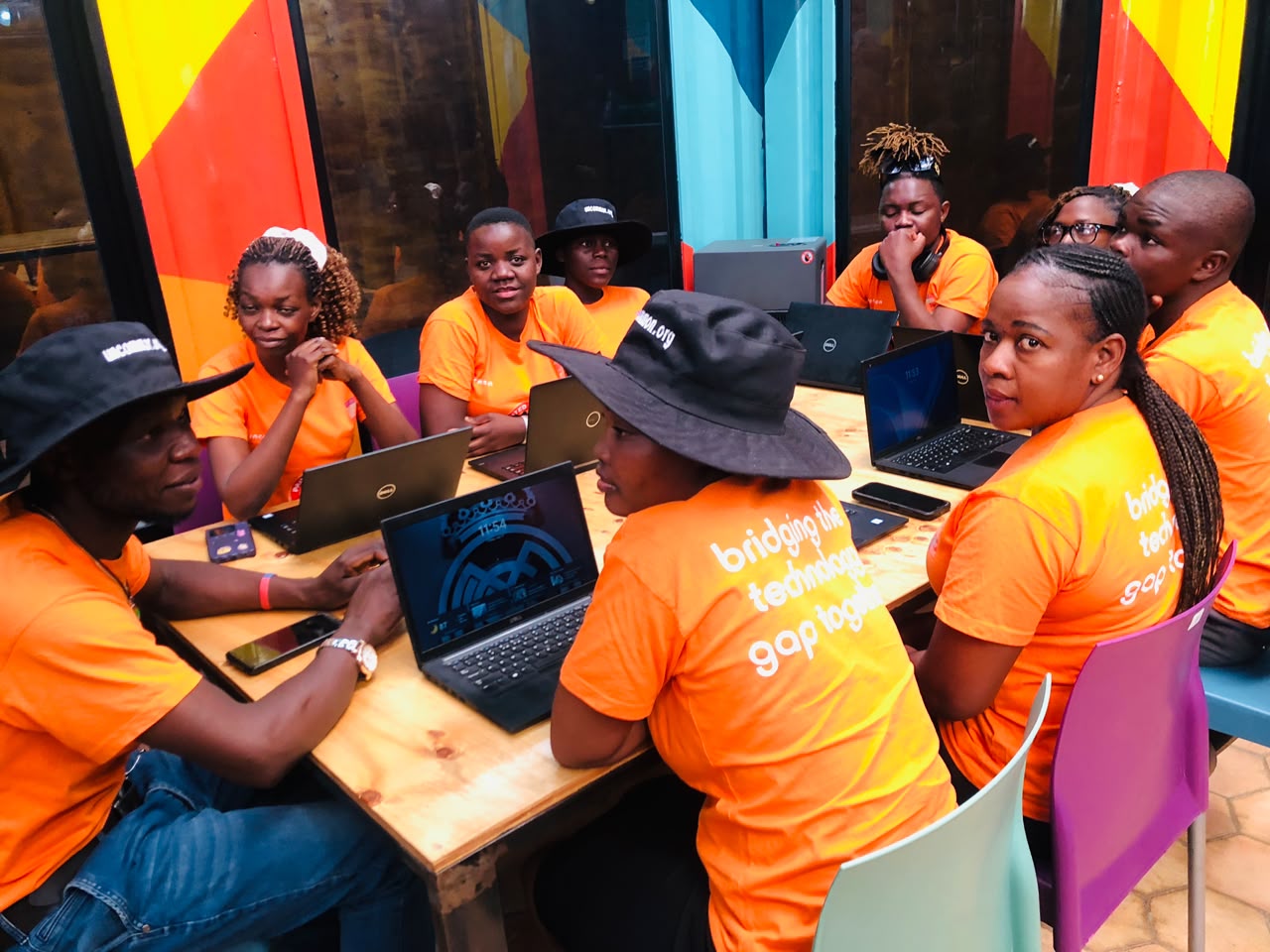
Lungelo Ndhlovu, Features Correspondent
EVERY day, the endangered African Painted Dog faces a fight for survival across Zimbabwe’s Gwayi Valley in Matabeleland North Province.
Wire snares, shrinking habitat and speeding traffic along the busy Bulawayo-Victoria Falls highway continue to threaten the species.
Yet behind many of these dangers lies a deeper challenge; poverty in the communities that share the landscape with the painted dogs.
For years, lack of economic opportunities have pushed some community members towards activities that harm wildlife, including poaching.
Conservationists say protecting endangered species is impossible without addressing the problems that often drive people to exploit natural resources.
That thinking has inspired a different approach in Gwayi, one that combines wildlife conservation with education and economic opportunity.
At Gwayi Valley Primary School, the Uncommon Painted Dog Conservation Innovation Hub has become the first rural, solar-powered digital learning centre of its kind.
Instead of relying on conservation alone, the hub is equipping young people with digital skills that can open new livelihood opportunities while reducing pressure on wildlife.
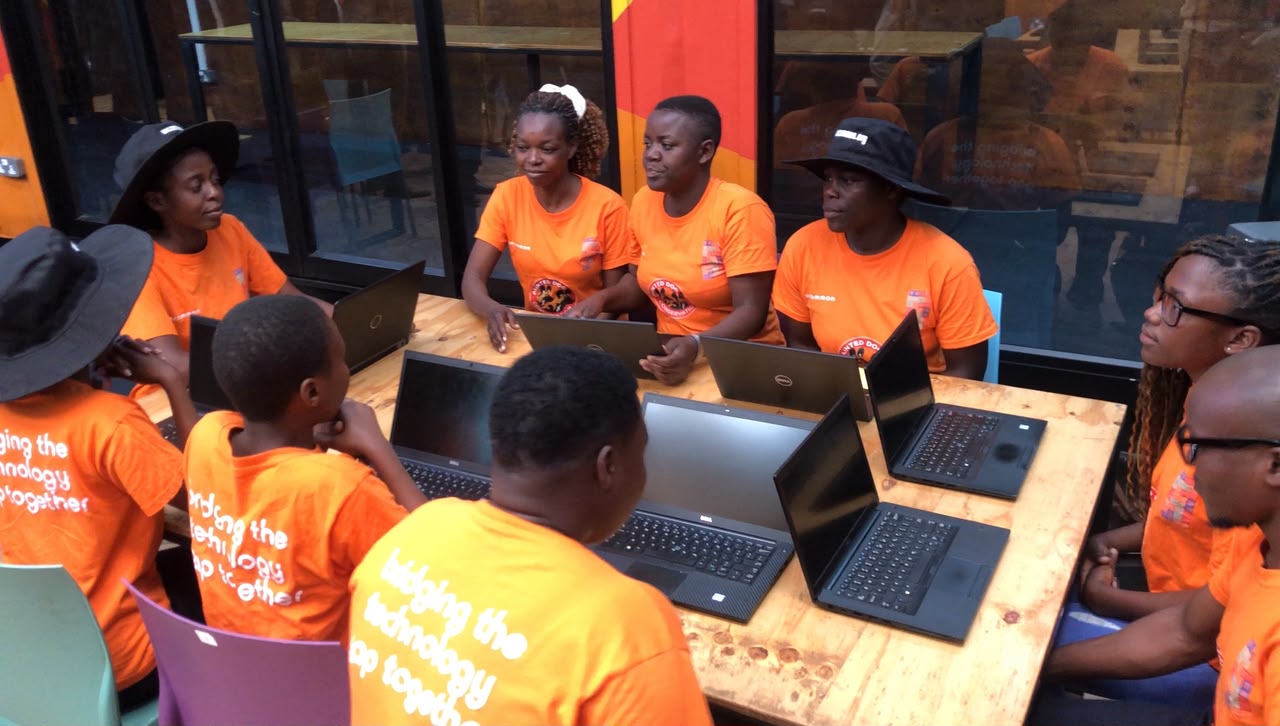
Inside the centre, students are swapping snares for laptops, learning coding, artificial intelligence (AI), digital literacy, product design and digital marketing.
The goal is to prepare rural youth for the digital economy while creating alternatives to livelihoods that threaten biodiversity.
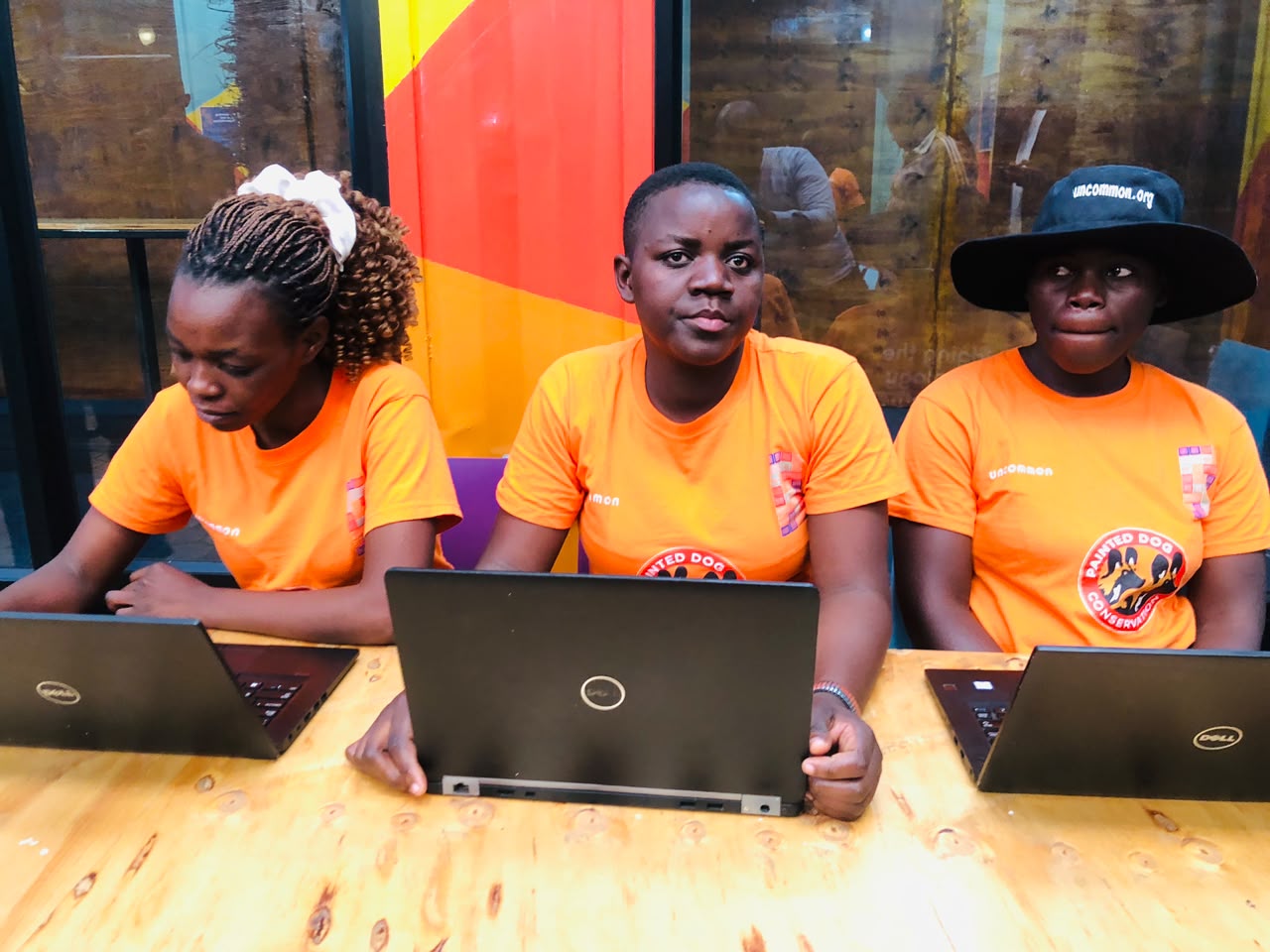
“The Uncommon programme starts with a one-month boot camp where we identify students with potential. Those who pass continue into a one-year training programme,” explained Ms Charity
Ncube, a junior software development instructor at the hub.
During the first six months, students receive intensive training in software development, digital marketing and product design. In the final six months, they specialise in the field that interests them most.
“Students decide what they enjoy and spend the rest of the year mastering that skill,” Ms Ncube said.
One of the programme’s biggest strengths is its accessibility. Applicants do not need Ordinary Level certificates or university qualifications.
“As long as you can read, write and understand English, you can join the programme,” Ms Ncube added.
The programme is part of a broader effort by technology education organisation Uncommon to bridge Zimbabwe’s digital divide, particularly in under-served rural communities.
Regional Hub Lead for Matabeleland, Mr Anesu Ndoro, said the organisation was founded on the belief that access to technology should not depend on where someone is born or whether they can afford formal education.
“We try to close the technology gap by giving people who would otherwise have no access to technology an opportunity to learn for free. Many young people are at home with nothing to do or are unable to continue with school because of different challenges. We want to give them a second chance,” Mr Ndoro said.
According to Mr Ndoro, Uncommon first established hubs in Harare before expanding to Bulawayo and Victoria Falls. Graduates from those centres are now teaching in newer rural hubs such as
Gwayi, creating a cycle where former students become instructors for the next generation.
Beyond teaching computer skills, Mr Ndoro said the programme is preparing young people to participate in the global digital economy.
“Students learn how to use computers, but they also gain skills that can help them find remote jobs or even start their own businesses. Through our partnership with Coursera, they can access thousands of online courses for free, giving them opportunities that many rural young people have never had before,” said Mr Ndoro.
The programme also places a strong emphasis on supporting girls, who often face greater barriers to entering the technology sector, “We want girls to see that there is more they can achieve. Every
Friday we invite different professionals to share their experiences, and throughout the year we connect students with mentors. We are not only teaching technical skills but also professionalism and life skills,” Mr Ndoro added.
For many parents, the impact of the hub is already visible. Mr Bekezela Sibanda, a parent from Gwayi, said the initiative is helping address some of Matabeleland North’s most pressing social and economic challenges.
With few employment opportunities in the area, Mr Sibanda said some young men have turned to poaching in nearby conservancies, while some young women have become vulnerable to transactional sex with long-distance truck drivers travelling along the Bulawayo-Victoria Falls Highway, exposing them to exploitation, early pregnancies and persistent poverty.
“The coming of this hub has made a huge difference because some of our girls were going to the trucks on the busy Gwayi Road to solicit money through sex. My own daughter is learning here, and she is very excited because it keeps her busy and gives her hope for the future,” Mr Sibanda said.
He said the first intake enrolled 35 students and expressed hope that the programme would continue to grow.
“We don’t want these lessons to stop. We want future generations to continue benefiting from this initiative so that our children can conserve wildlife while building better lives for themselves.
Today, everyone is talking about artificial intelligence. These are the skills our children need to compete in the future.”
For Painted Dog Conservation Board Chairperson Mr Jerry Gotora, the innovation hub builds on more than two decades of investing in education as a conservation strategy.
“Our commitment to education extends well beyond infrastructure,” Mr Gotora said.
He said the organisation has constructed classroom blocks, including one at Lupote Primary School, which was officially commissioned by the Minister of State for Matabeleland North Provincial Affairs and Devolution, Richard Moyo.
Since 2004, the organisation has also operated the Wilton Nsimango Children’s Bush Camp, one of Zimbabwe’s longest-running environmental education programmes.
“Every year, learners from 21 local primary schools participate in immersive four-day environmental education camps where they learn about wildlife conservation, environmental stewardship and sustainable living through hands-on experiences in nature. Many have become ambassadors for conservation within their schools, families and communities. We firmly believe that investing in young people is one of the greatest investments we can make in Zimbabwe’s natural heritage.”
That philosophy reflects a growing recognition that conservation cannot succeed through law enforcement alone. It also requires creating opportunities that allow communities living alongside wildlife to prosper without relying on activities that threaten biodiversity.
For students at the Gwayi Innovation Hub, learning to write computer code instead of setting wire snares represents more than acquiring a new skill. It offers a chance to build careers in the digital economy while helping secure the future of one of Africa’s most endangered carnivores.
African painted dogs, also known as African wild dogs, are among the continent’s most endangered carnivores. Fewer than 7 000 remain in the wild across Africa, with Zimbabwe home to an estimated 700, making the country one of the species’ most important strongholds.
Found only in Africa, the highly social animals live and hunt in closely bonded family packs. Despite receiving less attention than elephants, rhinos and lions, they play a vital ecological role and are protected in Zimbabwe under the Parks and Wildlife (Specially Protected Animals) Regulations, 2020, and the Parks and Wildlife Act.