Chronicle Editor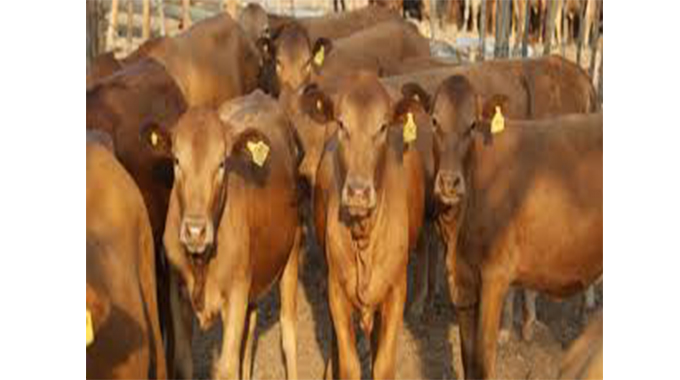
Farming issues, Mhlupheki Dube
LAST week we discussed the maths of livestock marketing and the inspiration to that article was derived from an experience at one cattle auction in Matabeleland North.
The main observation being how powerless livestock farmers seemed to be at that sale. This week instalment is a sequel to that article, the thrust being to zoom on the fact that the livestock producer despite being the anchor of the whole value chain, he or she is treated like a non-essential component.
Many a times I have referred to the livestock value chain but this time I want to unpack it so that readers can understand how the smallholder farmer who is the producer, is anchoring an integration of giant industries. The farmer is supported by extension workers who otherwise would not be employed if it were not for him or her. Then there are giant stockfeed manufacturers and retailers; veterinary drug manufacturers and retailers; livestock auctioneers; livestock transporters; abattoir operators; meat wholesalers; butcheries and finally consumers.
All these players live off the livestock farmer. They have built huge empires that are thriving and employ hundreds of people and they all live comfortably except for the producer himself or herself! This got me thinking on what obligation these massive enterprises that owe their existence on nothing other than the struggling smallholder farmer, have in developing the same farmer and his or her environs?
Do these players know that they will not have that massive abattoir that slaughters hundred animals everyday nor will their 50 trucks have business if they drive the goose that lays the golden egg to the ground? Should the relationship between the farmer and that giant stockfeed manufacturer be purely extractive when simple logic informs us that the stockfeed industry would not even exist without the farmer, but the farmer may very well exist albeit struggling without the former?
My contention therefore is that these big corporates that owe their existence to the livestock producer need to plough back to the farmer to keep the value chain well oiled. What stops a veterinary drug supplier to adopt a few community diptanks and rehabilitate them so that they function, after all they buy the acaricide from him? Why can’t a thriving abattoir operate bull breeding business and loan them to a community just to improve the quality of animals that come for slaughter?
Is it not prudent for a livestock auctioneer to adopt some auction sale pens, rehabilitate them since these form part of his operational infrastructure? As a stock feed manufacturer and supplier who supplies drier districts of Matabeleland South every year with survival feed, will it not be good for you to help construct some small dam or at least rehabilitate one for your customers who give you business every year?
These questions may sound abstract but they are not. I know for a fact that safari hunting operators invest big time in the development of the hunting concessions, with such efforts as constructing big dams and erecting perimeter fences around the hunting concessions.
They do all this because they understand the value of the first tier of a value chain, without wildlife their operations would not exist. In other words they take care of the goose that lays the golden egg because they understand fully well that they live off that golden egg. Why can’t players in the livestock value chain understand that they live off this value chain and it is in their interest that they keep the farmer alive?
Should we go to the levels of lobbying Government for cattle producer community share ownership scheme, where such corporates living off the producer are compelled to plough back to the communities? It is my hope that I do not come out as an extortionist to the big corporates in the livestock value chain but simply as someone who is nudging them to realise that they can do more than extracting from the farmer without remitting back.
It is about time they realise that they exist simply on the account of the welfare of the first tier of the livestock value chain, which is that of producers and the sooner they respect that, the better it will be for the livestock industry as a whole.
Uyabonga umntakaMaKhumalo. Mhlupheki Dube is a livestock specialist and farmer. He writes in his personal capacity. Feedback [email protected]/ cell 0772851275


 Online Reporter