Lobola Curse Panic: Social media rocked by mysterious death claims
Lifestyle Senior Writer
SHOCKWAVES have ripped through social media after chilling reports that several people allegedly died just days after paying lobola, triggering fierce debate and widespread fear over what many are calling a disturbing pattern.
Is it bad luck, a spiritual warning or simply heartbreaking coincidence?
Online timelines have erupted with emotional posts, voice notes and heated reactions as stunned users struggle to understand the claims.
Out of respect for grieving families and to protect their privacy, we cannot publish the names of those said to have recently passed away, but the stories doing rounds have left communities shaken and desperate for answers.
Some believe unseen forces may be at play, while others have blasted the rumours as dangerous myths that only deepen pain during mourning. Elders continue to defend lobola as a sacred and respected tradition meant to unite families, honour love and strengthen bonds. Yet as speculation grows louder by the hour, social media remains gripped by shock over the mystery.
Has the sanctity of traditional lobola ceremonies been revolutionised by photoshoots?
How does this new practice align with African culture — or with other religions?
What is your take on couples who take and share daring pregnancy photoshoots that leave little to imagination on social media?
This practice, which has gripped Zimbabwe, now seems unstoppable.
It has sparked a frenzy that has also divided opinion, with many questioning its relevance. While marital bliss can be beautiful — and expecting a newborn comes with joy — this trend has sent tongues wagging.
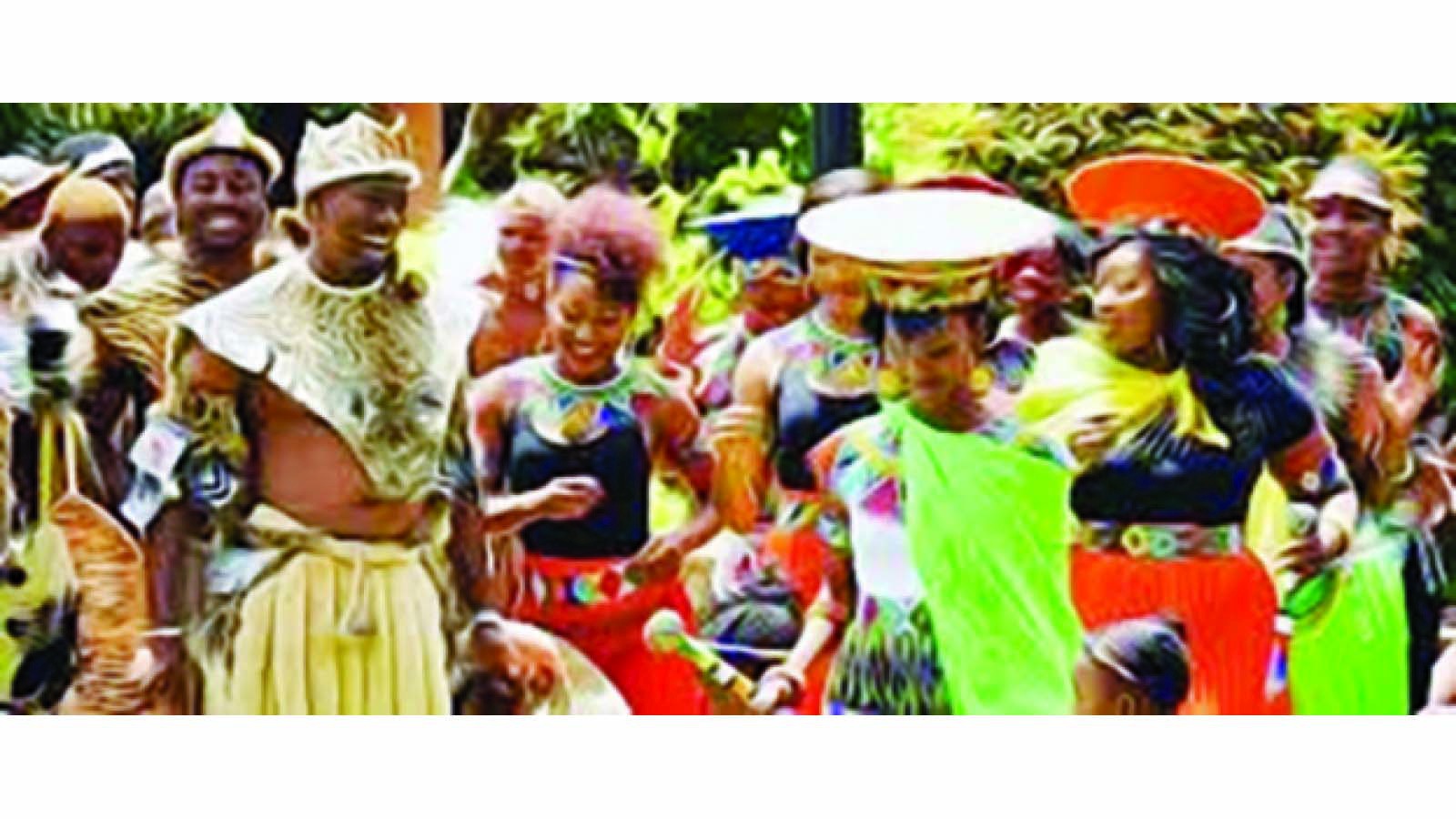
Have lobola ceremonies, once considered sacred, been reduced to social media content creation by modern-day couples?
Questions are many, especially as today’s couples and expecting mothers have taken their celebrations beyond what some people see as acceptable.
The Herald on Saturday Lifestyle researched the relevance of this practice, which some believe could be a recipe for disaster.
Some argue that it fuels unnecessary pressure among would-be couples, who then end up incurring huge losses just to meet unrealistic expectations.
Others, particularly the superstitious, firmly believe that the practice can “rile the devil,” and that those who promote it do so through harmful forces — “witches,” in their view.
As the saying goes, the devil and success are like water and oil — they do not mix.
This debate has been reignited by mysterious events that continue to befall new couples — such as bad luck, death and even miscarriages — which some people link to the posting of naked pictures of baby bumps on social media.
Talk show host, columnist and influencer Dr Rebecca Chisamba — better known as Mai Chisamba — slammed the practice as borrowed culture that does not resonate well with Zimbabwean roots.
“Firstly, the lobola ceremony is a family ritual that has been there for ages, and it was only restricted to close family members,” asserted Mai Chisamba.
“By the way, the lobola squad thing has always been there, but it was made up of close relatives like sisters, grannies and aunts who genuinely represented the family.
“With the current situation, the entourage is now composed of friends (known as besties), who end up leaking family secrets.
“In our culture, it was unheard of for a bride to be accompanied by strangers when they are being married, as is the case nowadays.”
Mai Chisamba noted that newlyweds deviating from their Zimbabwean culture is wrong, and boldly declared that it remains rich.
“We have borrowed this practice from South Africa and Nigeria, when in actual fact we have our own way of life as Zimbabweans.
“It’s very sad how we have let our culture be adulterated by other African cultures under our watch.
“It’s quite unfortunate how the lobola ceremonies have been commercialised, which is equally unfortunate.
“Youngsters should bear in mind that our culture is rich and not backward, as they perceive.”
She also castigated the new wave of leaking family secrets.
“In every setup, there are family secrets which used to be kept and not leaked, as is the case right now with the coming of lobola squads.
“By engaging friends for the lobola squads, we are not only deviating from our culture, but doing harm that will come to haunt us in future, since there are spiritual wars that need to be fought.”
She also condemned the overly unpopular trend of expecting mothers sharing photos of their baby bumps.
“In our culture, a pregnant person should be reserved, and this new wave of photo shoots in that state is wicked.
“With social media, memories are being kept for years, which is quite sad for our children when they grow up if they come across those images.”
Similar sentiments were echoed by affable renowned academic, researcher and social commentator Charlton Tsodzo, who condemned the new practice.
“From the cultural perspective, this family ritual was never publicised as is the case nowadays,” Tsodzo opined.
“Traditionally, strangers would know about such events only after they had passed, for fear of being bewitched.
“As you know, wherever somebody is getting married, not all the people would be happy, which is why elders would conceal such traditional events.”
Tsodzo highlighted that the new wave of lobola squads is economically draining.
“This practice gives new couples a lot of pressure as they seek to conform to the new practice, which is costly.
“Some of these costs are quite unnecessary because there is life after the lobola ceremony.”
Celebrity director of ceremonies, Lorraine “MC Lolo” Mutoko, who has presided over more than 400 weddings in Zimbabwe, was also against the practice, which she strongly believes has brought more pain than gain.
“The whole thing about lobola squads is now unfashionable and against our culture,” she remarked.
“I have since observed that this new wave, where the bride will be accompanied by friends, has destroyed numerous marriages.
“By the way, some members of the lobola squad are snitches, who can leak family secrets, which is why modern-day marriages are collapsing in spectacular fashion.”
She strongly condemned heavily pregnant brides who partake in photoshoots in their birthday suits as shameful.
“The women’s body is special, and for it to be paraded or shared on social media is unheard of.
“I don’t know why most of these women are doing this practice, which has nothing to do with our culture.
“As they say, a pregnant woman communicates with her unborn baby — and what message are we sharing if the mother’s naked body is being shared?” fumed MC Lolo.
From the Christian community, Apostle Stephen Mangwanya of New United Apostolic Faith Church weighed in, saying:
“If it’s a customary marriage, I prefer to see proceedings done in a dignified manner.
“The Bible is very clear when it comes to such unions, where it states that whatever decision has been passed on earth stands in heaven.
“We don’t expect to see the commercialisation of such unions because it is ungodly to do so.”
Responding to the new wave of brides going naked to parade unborn babies during photo shoots, he added:
“To me, that is diabolical. I don’t encourage that practice because your body is the temple of the Lord.
“After all, what will your normal in-laws, parents and even children say to see your naked pregnant body self-paraded online for strangers to feast on?”
Fashion designer and curator, The Fashion Poet — real name Godswill Nyakuridyisa — begged to differ, claiming the new wave is the dawn of a new era.
“In my case, I have a different opinion altogether since I believe we have transitioned from the British Victorian era, where newlyweds were known for donning white and shiny robes,” he pointed out.
“Of course, we might have borrowed this whole new concept from our neighbours in South Africa, but at least we are trying our best to ensure that we remain relevant.
“Some people might condemn this practice, but at least we are copying from our fellow African brothers, and we can still move on and get better — but we should not forget that culture is dynamic.
“At least we must be happy that we still uphold some of the African values we desire to have as a nation.”
A photojournalist who preferred anonymity for professional reasons said he was making a fortune from the new movement.
“Of course, I know that the practice has divided opinion, but as photographers, that’s where our bread is buttered.
“Besides those so-called lewd photos of pregnant women that people take, we have had worse pictures than those you see,” said the photojournalist.
After all has been said and done, the lobola squad debate is tense and will need experts to bring to a close.