Online Reporter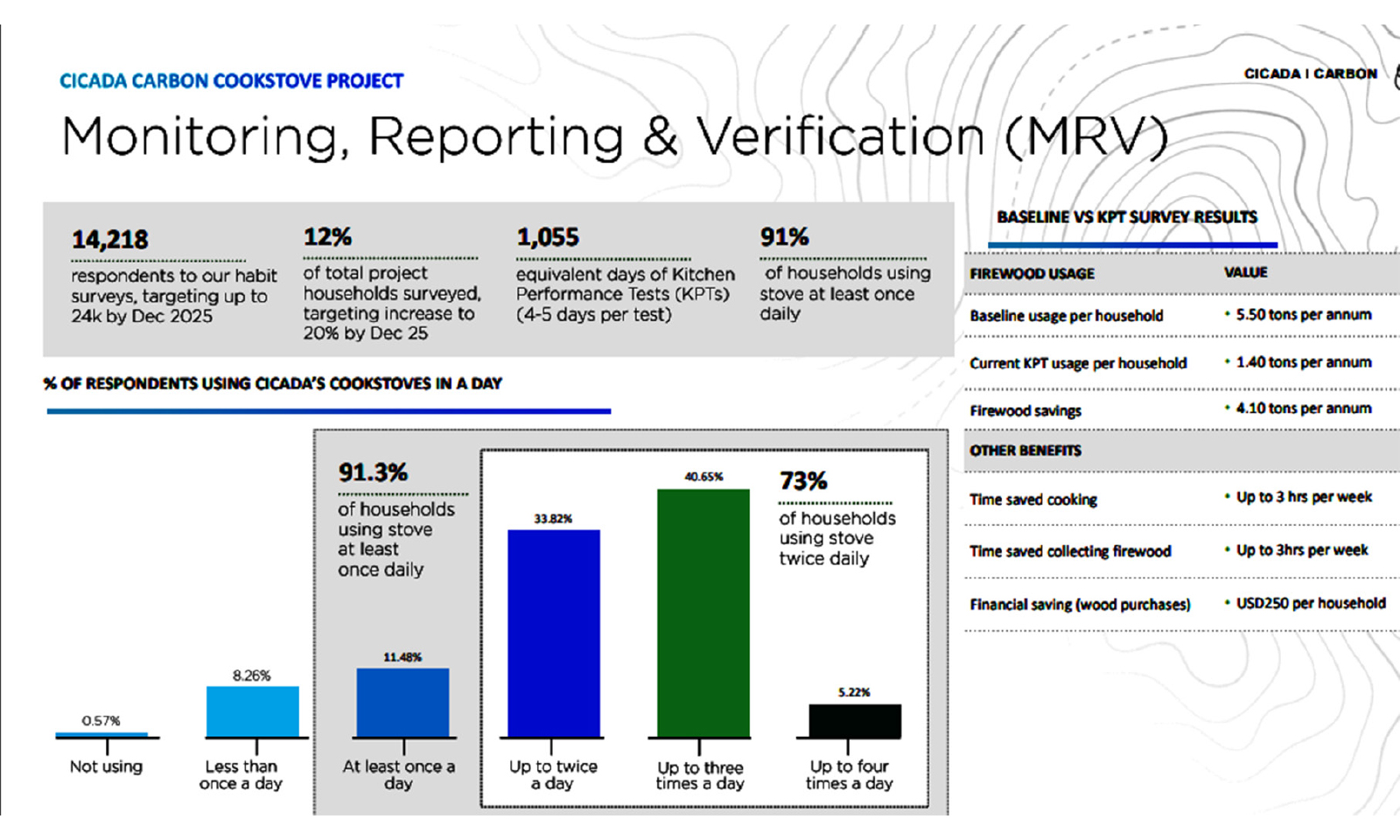
Business Writer
As global climate negotiations continue, Zimbabwe is focusing on strengthening its domestic climate action, emphasizing the need for robust local policies and implementation.
Speaking at the COP29 Feedback Breakfast meeting hosted by Financial Markets Indaba and sponsored by Old Mutual Zimbabwe in Harare yesterday, Munashe Mukonoweshuro, Principal Climate Scientist in the Ministry of Environment, Climate and Wildlife, highlighted the critical role of national initiatives in achieving climate resilience.
Giving feedback on the 29th Conference of Parties (COP29) in Baku, Azerbaijan, Mukonoweshuro underscored the importance of translating international agreements into tangible local actions. “While we participate in global discussions, our focus must be on building resilience at home,” she stated.
A key area of focus is climate finance. With the establishment of the New Collective Qualitative Goal (NCQG) aiming for US$300 billion annually by 2035, Zimbabwe is urged to develop its own local climate policy finance mechanism. “We need to establish aspirational targets for funds flowing from established financial instruments and ensure transparency through robust tracking and reporting,” Mukonoweshuro said.
Furthermore, the operationalisation of the Loss and Damage Fund necessitates local preparedness. “We must prepare local institutional arrangements to fund loss and damage and effectively link with the UNFCCC fund,” she emphasized, acknowledging the growing threat of climate-related disasters.
Strengthening domestic carbon market regulations is another priority. Mukonoweshuro called for continued strengthening of institutional arrangements from the 2023 Carbon Regulations and the enactment of the National Climate Change Bill. “Party to Party agreements are crucial for generating and transferring mitigation outcomes,” she added.
On the global call to transition away from fossil fuels, she advocated for a balanced approach. “We must accelerate exploitation of our fossil resources to reach peak emissions in the short to medium term while maximizing potential in renewables,” she explained.
The Global Goal on Adaptation (GGA) and the development of comprehensive National Adaptation Plans (NAPs) remain central to Zimbabwe’s climate strategy. “We must continue the national climate change adaptation mainstreaming agenda using our own targets and develop a national climate finance mechanism,” Mukonoweshuro asserted.
She stressed the importance of implementing Zimbabwe’s Nationally Determined Contribution (NDC) 3.0. “We must commence implementation of NDC 3.0 submitted on February 10, 2025,” she urged, emphasizing the need for concrete action.
The Global Stocktake (GST) highlighted the urgency of climate action, and Mukonoweshuro stressed the need for local preparedness for worst-case scenarios.
“We must prepare for the worst-case scenario in terms of climate impacts,” she advised.
Experts agree that while international agreements provide a vital framework, effective climate action hinges on robust local policies, mechanisms, and implementation.
Local firm Cicada Holdings is already demonstrating private sector leadership in climate-smart agriculture. Speaking at the Old Mutual Zimbabwe sponsored breakfast meeting, Cicada Commercial Director, Karen Jiri, outlined the company’s ambitious plans.
“Phase 1 of our climate-smart agriculture initiative aims to scale capacity to 5,500 small-scale farmers by 2030, covering a planted area of 5 000 hectares of row crops and 500 hectares of avocados,” Jiri explained.The project’s potential impact is significant: a life-changing increase in income through expanded farm sizes, boosting agricultural exports, and substantial carbon sequestration.
“Our pre-feasibility study indicates an increase of up to 4 tonnes of CO2 per hectare per annum with improved agricultural practices. With 5,500 farmers enrolled, we could be sequestering 22,000 tonnes of CO2 per annum,” Jiri stated.
Cicada’s initiative also addresses forest protection by increasing land productivity and promoting ecosystem restoration. “By increasing land productivity, we will be slowing and reversing the conversion of forested land into arable land,” Jiri added. The company aims to restore 0.25 hectares per farmer, totaling 1,375 hectares.
“Currently, we have 800 farmers enrolled, and we are targeting 5,500,” Jiri said, emphasising the replicability of their cluster model to benefit communities further from their estates.
Cicada also has other projects such as the Carbon’s Clean Cooking Project which reduces reliance on indigenous firewood across Zimbabwe through the introduction of more efficient cooking technology, specifically BURN’s Ecoa & Kuniokoa clean cookstoves.
The first phase of this project is targeting the distribution of a total of 160 000 cookstoves by December 2025.
These stoves save the equivalent of 105 000 ha of indigenous woodland over their useful life, as well as having significant impact on house spending, time spent gathering firewood and cooking, gender equality and respiratory health.
To date, 120 000 cookstoves have been distributed across 9 provinces in Zimbabwe. 40 000 more will be distributed in 2025.