admin
admin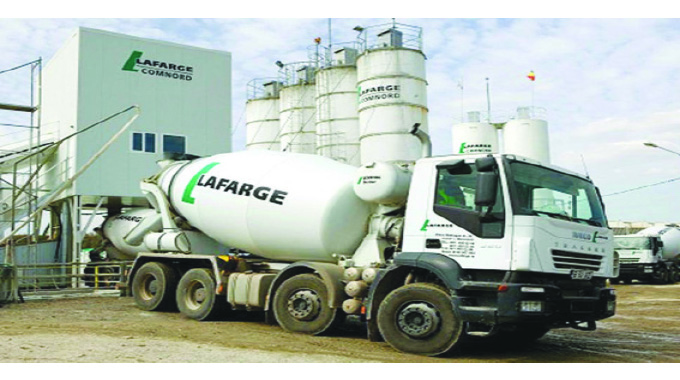
Freeman Razemba Senior Reporter
FOSSIL Mines (Pvt) Limited has entered into a binding agreement to buy a 76,45 percent stake in Lafarge Cement Zimbabwe Limited now owned by Holcim Group of Switzerland through its subsidiary Associated International Cement.
Holcim is busy disinvesting from cement around the world, having already sold off its stakes in cement in Northern Ireland, Zambia and Malawi, with Zimbabwe being the latest and India next on the list.
Lafarge Zimbabwe acting company secretary, Mr Arnold Chikazhe, confirmed the deal in a cautionary statement on Monday.
“Further to the cautionary announcement dated 31 May 2022, shareholders and members of the investing public are advised that Associated International Cement Limited, a member of the Holcim Group, has entered into a binding agreement for the sale of its 76,45 percent stake in Lafarge Cement Zimbabwe Limited to Fossil Mines (Private) Limited”.
The development has excited a local empowerment lobby group, which was fiercely against letting a foreign company buy the cement maker. The Economic Empowerment Group (EEG), founded by businessman Mr Mike Chimombe, has hailed the transaction.
Speaking in Harare yesterday, EEG vice president Mr Munyaradzi Kashambe said: “Let me start by highlighting that Lafarge is a going concern; already the company is well established in its operations. So by the look of things, it simply means there is no huge extra capital investment that is needed.
“So after realising that the sale was almost through, being sold to another foreign company, we lobbied as EEG that the sale of Lafarge be open to locals, for which we want to thank Lafarge management and also the very fortunate Zimbabwean company that managed to acquire Lafarge.
“We are happy as this is in line with our Government policy and our President’s mantra that ‘Nyika inovakwa nevene vayo’. Lafarge now is in the hands of black businesspeople, which we feel is a fair deal and we would like to appreciate that.”
When the deal eventually sails through, Mr Kashambe said Fossil Mines should consider local suppliers in terms of procurement of raw materials and other consumables.
Cement uses almost total local raw materials, the reason why cement makers originally set up shop in Zimbabwe since everything was available.
According to Lafarge, the disposal of Holcim’s Zimbabwean shareholding follows prior disposals of Holcim shareholding in Northern Ireland, Zambia and Malawi and now the Holcim Group is in the process of disposing of its Indian cement business.
On January 25 this year, the Holcim Group announced its intention to dispose of its 76,45 percent stake in Lafarge Cement Zimbabwe as part of a strategy to divest from cement manufacturing.
The group invited interested bidders to submit their expressions of interest to its financial advisors, ABSA Corporate and Investment Banking in South Africa and after evaluation of the expressions of interest on March 1, Holcim then invited suitable investors to submit binding offers of interest for the acquisition.
Fossil Mines was among five invited businesses for the acquisition through an auction system. According to the Holcim Group, Fossil’s offer is backed by support from local banks, pension funds and wealth managers.
Fossil engaged local financial advisors and commercial attorneys to act on its behalf on the bid as well as Cliff, Decker and Hofmeyer of South Africa to act as its transaction advisory team.
“As part of evaluating the bids, Holcim invited the bidders to South Africa for negotiations. The final round of negotiations between Holcim and Fossil took place in South Africa from 28 May to 30 May wherein Fossil’s offer to acquire 76,45 percent of Lafarge Zimbabwe was accepted pending further due diligence of the asset (Lafarge) and regulatory approvals,” said the company.
Should Fossil takeover Lafarge, the planned strategy is to maintain Lafarge as a listed business and also recapitalise it, leading to an increase in cement output from the plant.



 Online Reporter