

 Online Reporter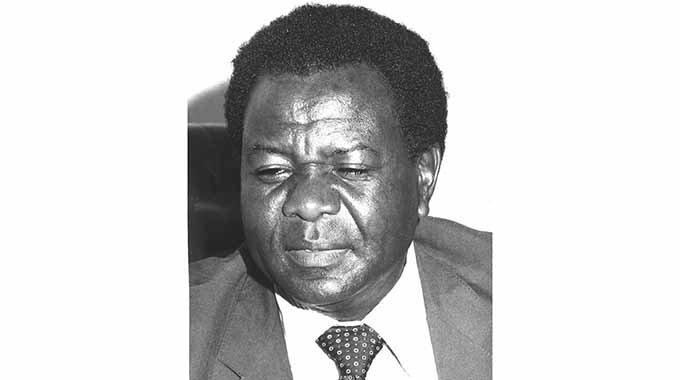
The Herald, 11 September 1984
THE African Development Bank has been urged to take a lead in helping African countries understand and overcome the economic problems they face.
The call was made by the Deputy Minister of Finance, Economic Planning and Development and alternate governor of the bank, Senator Moton Malianga, when he addressed a function in Harare yesterday to mark the 20th anniversary of the bank.
He said the task of the bank was both to mobilise investment funds for Africa had to create an environment in which these could be efficiently used. It had to understand the problems and potentials of the individual African economies as its “main objective after all is to rescue the common people of Africa from the desperate poverty that afflicts so many of us”.
The bank had already displayed an “increasingly sophisticated understanding of the characteristics, problems and potential of the African economies”. One of the “painful” lessons learnt was that “the availability of investible funds is a necessary, but far from a sufficient condition for economic growth and development”.
Also needed were a certain level of economic and social infrastructure, sound economic policies, well-functioning markets for labour and goods and an appropriate supply of technical, managerial and other skills.
But most African countries did not have these when they attained independence, and, as a result, “the first 10 years of the bank’s operations were a period of self-education, a time of corporate on-the-job training”.
Senator Malianga acknowledged that African countries had made mistakes in economic policy, but believed that to “starkly accuse African countries of economic failure” underestimated what had been achieved in institution building in an unfavourable global economic environment.
Economic development implied increased economic co-operation and African countries had to become more reliant on the resources to be found within the continent, thereby increasing their ability to adapt to changing conditions.
Lessons for today
- Money alone does not grow an economy. “The availability of investible funds is a necessary but far from a sufficient condition for economic growth”. Loans and aid help, but without the right systems they get wasted.
- Zimbabwe and many African countries still see this, big funding comes in, but growth stalls if other pieces are missing. Infrastructure + skills + policies must come together.
- Economic and social infrastructure: Sound economic policies, well-functioning markets for labour and goods, technical, managerial and other skills are key. Projects fail when we build roads, but have no maintenance budget, or fund farms but have no markets, or train people, but they leave for greener pastures. Development has to be a package.
- Institutions take time to build “The first 10 years of the bank’s operations were a period of self-education, a time of corporate on-the-job training.” Don’t expect instant results. Building strong institutions, governance, and capacity takes patience and learning.


