Online Reporter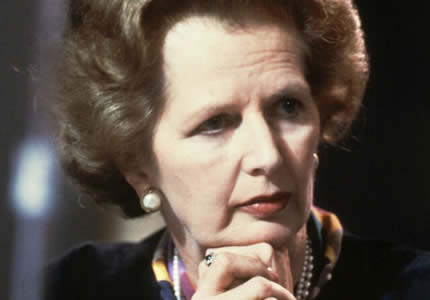
The Herald, 30 March 1989
BRITAIN has pledged an additional $35 million (£10 million) to Zimbabwe as part of its aid programme and continuing commitment to the nation’s development, the British Prime Minister, Mrs Margaret Thatcher, said last night.
Speaking at a State banquet hosted by President Mugabe in Harare. Mrs Thatcher said the pledge was an addition to the more than $48 million (£15 million) she extended to President Mugabe last October. Total British aid to Zimbabwe since independence was now more than £200 million.
Mrs Thatcher said: “Britain has had a strong commitment to Zimbabwe from its birth. That commitment remains as firm today as it was then.
“Mrs Thatcher flew into Harare on Tuesday night for her first official visit to Zimbabwe. She leaves later today for Malawi.
She said British commitment to Zimbabwe was also demonstrated by its military training programme for the Zimbabwe National Army its biggest such programme in Africa and the size continued British investment in this country.
Compared to other African countries, she said, Zimbabwe was one of the most fortunate nations. Although the economic performance of most of the African countries was bleak, there was still hope for the future.
“More and more governments now realise what has to be done to reverse their decline and set their countries on the path of growth.” Mrs Thatcher said she believed there was now greater hope for peace and stability in Southern Africa. “In South Africa, there is an even wider recognition that not only is apartheid deeply hurtful and un-Christian, it is an obstacle to the economic growth which is needed for the future prosperity of all races.”
Although there was greater commitment from Southern African countries to solve conflicts by negotiation, the international community was also playing a big role.
Lessons for today:
- The 1989 passage shows Britain giving Zimbabwe financial and training support. When we look at such events from today’s perspective, several important lessons stand out not only for Zimbabwe, but for many developing countries.
- Aid is never just money, it is also diplomacy. Aid was given during a state banquet and accompanied by messages of friendship.
Countries often use aid to strengthen political relationships and influence.
- Aid can support development — but only when used with long term planning. The passage highlights military training, investment, and development support.
Aid works best when a country has clear development plans and strong institutions. It can help with infrastructure, health and education training and skills. In the Saturday of 21 March 2026, President Mnangagwa emphasised the need to develop home ground solutions to public health challenges across Africa, this would safeguard lives and enhance livelihoods for ordinary citizens.
- Local solutions are more powerful than foreign assistance. The passage stresses hope for Africa’s future.
Aid is most helpful when it strengthens local leadership, local ideas, and local expertise.
- African-driven solutions often create more lasting change than foreign-driven ones.