

 Online Reporter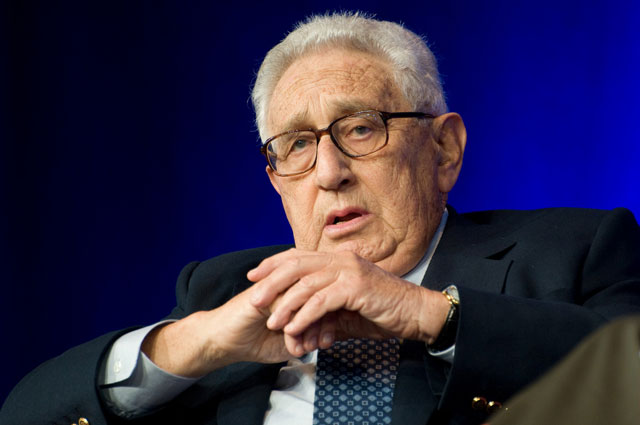
The Herald, 24 March 1994
CISKEI is now under control of the South African government and Transitional Executive Council following a mutiny of troops and police and the resignation of the homeland’s military ruler, Brigadier Oupa Gqozo, late on Tuesday.
With the similar collapse of Bophuthatswana 11 days ago and growing fighting in Natal, pressure is now mounting on KwaZulu’s leaders to fall into line and accept reincorporation into South Africa and full participation in next month’s elections.
Some ANC and South African Communist Party leaders are calling on the transitional council to take control of the homeland.
At least 80 people, including two peace monitors, have been killed over the past five days of bitter fighting in KwaZulu and Natal, peace monitors and Sapa news agency reported yesterday.
Former US Secretary of State Mr Henry Kissinger, former British Foreign Secretary Lord Carrington, a second American and an Indian have agreed to serve on the international mediation commission being set up to try and resolve the constitutional dispute between KwaZulu and the transitional council.
The ANC and Inkatha Freedom Party have already agreed to abide by the decision of the mediation team, to be led by Mr Kissinger.
The mediators will have to decide on the federal content of the new transitional constitution.
Sources said that if the mediators ruled in favour of Inkatha, the elections scheduled for late next month could be postponed.
Brig Goqoz resigned after junior members of his police force, unsure of their futures and pensions after the April election, went on strike on Tuesday and took 42 senior police officers and their wives hostage. The homeland’s military ruler said he stepped down to “avoid bloodshed” and had sought assistance from the SA government.
Lessons for today:
- Ciskei’s government fell not because of an external attack, but because its own police and troops mutinied, driven by uncertainty about their future after the coming national elections.
- Brigadier Gqozo resigned “to avoid bloodshed” once the situation spiralled out of his control. While his rule was controversial, his decision prevented what could have become a massacre.
- With Bophuthatswana collapsing, KwaZulu resisting integration, and violence killing at least 80 people in KwaZulu/Natal, it’s clear that political rigidity and refusal to negotiate deepens crises. In times of national transition, compromise and dialogue are essential.
- Figures like Henry Kissinger and Lord Carrington agreed to mediate the constitutional dispute between KwaZulu and the Transitional Executive Council. Both ANC and Inkatha pledged to honour the mediation outcome. Neutral, credible external mediators can help break deadlocks that internal actors cannot resolve alone especially when trust is low.



