Online Reporter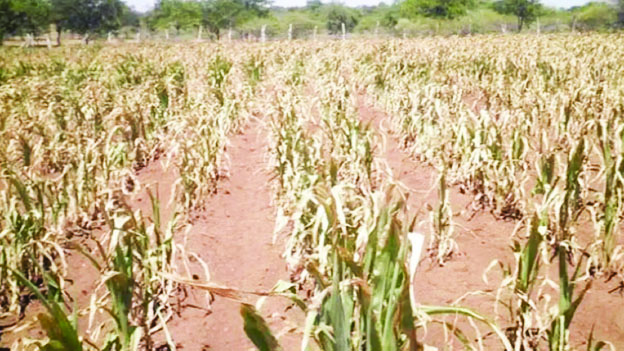
The Herald, 31 March 1989
PEOPLE in Chipinge, Mberengwa, Zvishavane, Shurugwi, Chivi and Chirumanzu have been badly affected by drought and will need food aid, says the National Farmers’ Association of Zimbabwe.
After a recent tour of Manicaland, Matabeleland North, Midlands, Mashonaland West and Masvingo by the NFAZ president, Cde Robinson Gapare, it was found that some farmers had not had enough rain to plant crops.
In Mahenye village, Chipinge, the farmers were worried about the survival of their livestock as there was no grazing land and no water for both humans and livestock. Cde Gapare said the District Administrator of Chipinge had already compiled the names of people who would be in need of food assistance.
But all was not bleak in the province as some communal farmers in Nyanga had produced very good crops and reasonable yields were expected. In Mutasa, farmers were expecting an average crop. Honde Valley coffee farmers increased their hectarage of the crop which produced unexpected yields by Arda which processes it.
There was now a possibility of experiencing difficulties in processing the crop because of inadequate infrastructure at Arda, which has promised to do its best. Mutare district farmers were expecting an average crop although drought affected people in Marauke South and Chinyadzore, where the crops were a write-off.
In Mutema, also in Manicaland, the sorghum crop was only beginning to flower and maize was tasselling. If more rains fell, these farmers could salvage something, Cde Gapare said.
In Ndomoyo, Rimbi, Garawa and Musikavanhu, the crops were a write-off and people would need food aid.
Lessons for today
- Here are clear, meaningful lessons we learn from the passage about drought hit areas needing food aid in Zimbabwe in 1989. These lessons still apply today in many communities facing climate challenges.
- The passage shows some areas (Chipinge, Mberengwa, Zvishavane, Shurugwi, Chivi, Chirumanzu) were severely hit, while others (Nyanga, Mutasa, Honde Valley) had good or average harvests. Climate impacts are uneven. Even within the same province or country, some communities suffer greatly while others survive or thrive. This teaches us the need for localised disaster responses, not one-size-fits-all solutions.
- The National Farmers Association and District Administrators were already touring regions and compiling names of people needing food aid. Early monitoring and quick assessment help identify vulnerable groups before the crisis becomes severe.
- Early action prevents hunger, livestock deaths, and human suffering. Farmers in Chipinge feared for their animals (no grazing land), and themselves (no water or food). Drought is not just a crop issue. It affects entire livelihoods , crops, animals, and household food security. This shows the importance of integrated drought management.
- Honde Valley farmers produced a strong coffee crop, but ARDA struggled with inadequate infrastructure to process it. Good harvests alone are not enough — strong infrastructure (roads, storage, processing facilities) is essential for turning crops into economic value.