Online Reporter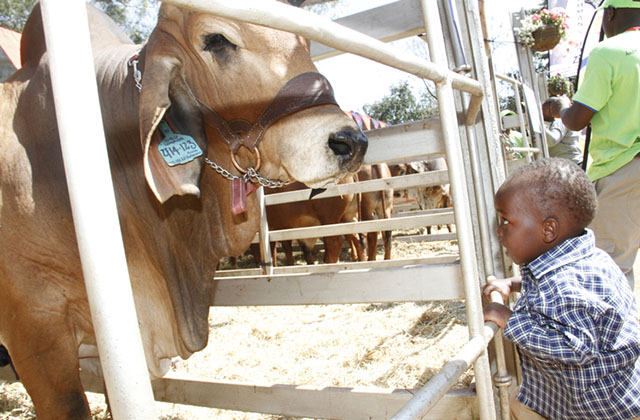
The Herald, 25 August 1997
THE Harare Agricultural Show which brings together farmers, commerce, industrialists and the public, starts today at the Harare Exhibition Park, the new name for the old showgrounds.
The show, to be officially opened on Friday by President Cassam Uteem of Mauritius, this year promises to be bigger with more than 500 exhibitors participating.
This year, the Zimbabwe Agricultural Society expects to attract more of the public. Last year it attracted more than 70 000 people on the final day alone.
While it is the show’s 87th anniversary it will be the first time its home has been called Exhibition Park, the name given by Harare Mayor Clr Solomon Tawengwa on August 21. The new name more appropriately describes the role the grounds play in hosting exhibits throughout the year.
Show organisers hope the show this year continues to play its role of being a “business catalyst” by facilitating for participants to make valuable contacts.
Farmers get an opportunity to meet other farmers, suppliers, financiers, industrialists, investors and the general public.
Lessons for today:
- Historically, the show has hosted global leaders, symbolising Zimbabwe’s openness and regional importance. The Harare Agricultural Show has significantly improved since 1997, evolving into a dynamic and inclusive platform that reflects Zimbabwe’s agricultural, industrial, and social progress.
- In 1997, the show had over 500 exhibitors and attracted 70 000 visitors on the final day. In 2025, it is expected to host over 500 exhibitors again, but now aims to attract two million visitors over six days
- The 2025 theme is “Building Bridges: Connecting Agriculture, Industry & Community”, emphasising collaboration across sectors to drive development. The show now includes business-to-business sessions, scholarship fundraising, and entertainment events, making it more than just an exhibition.
- The show has become a national brand, integrating youth empowerment, climate-smart agriculture, and digital transformation. It now serves as a business hub, connecting farmers, industrialists, policymakers, and the public.