Online Reporter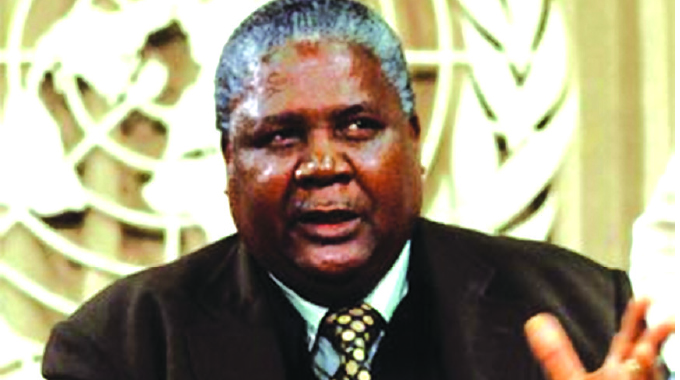
The Herald, 23 December 1999
ZIMBABWEANS yesterday observed Unity Day which commemorates the historic unity accord signed between Zanu (PF) and the PF-Zapu in 1987 that ended several years of deep suspicion and war that divided the parties that won the country’s independence.
Three years after its declaration as a public holiday, there are still no national events to mark the day, except for low key events attended by a handful of party faithfuls.
Party officials, who asked not to be named, and other commentators said yesterday national events should be held to mark and consolidate the day lest its significance is forgotten.
They said the Unity Day should be commemorated along the same lines as Independence Day or Heroes Day.
Unity Day is now being viewed as a day for merrymaking, even by Zanu (PF) supporters themselves, largely because of The lack of education by the respective provincial leadership on the need to defend the political unity achieved by the Patriotic Front parties.
In Harare 12 Zanu (PF) youths from different provinces arrived in the capital yesterday on a march from Bulawayo to mark Unity Day.
The unity accord, signed by Cde Robert Mugabe, representing Zanu (PF), and the late Dr Joshua Nkomo, representing PF-Zapu, ended armed dissidence in Matabeleland and the Midlands.
The youths, who embarked on the march on December 12, were met and addressed at Zanu (PF) Headquarters by the party’s chairman for Mashonaland West, Cde Charles Ndhlovu. Cde Ndhlovu, who was standing in for the party’s secretary for administration, Didymus Mutasa, commended the youths and said such events helped remind people about the importance of unity.
Lessons for today:
- This story teaches us that unity is not just achieved once, it must be sustained through education, commemoration, and active participation. Without deliberate effort, even historic accords risk being forgotten, and the hard-won peace they represent can lose its power to inspire future generations.
- The 1987 Unity Accord between ZANU (PF) and PF-ZAPU ended years of conflict and suspicion, but by 1999 the day was being marked only with low-key events. Commentators warned that without proper national events, Unity Day risked being forgotten or reduced to mere “merrymaking.”
- The march by ZANU (PF) youths from Bulawayo to Harare symbolised how younger generations can carry forward the spirit of unity. It highlights the importance of engaging youth in nation-building and remembrance so that unity is not just a legacy but a living practice.