

 admin
admin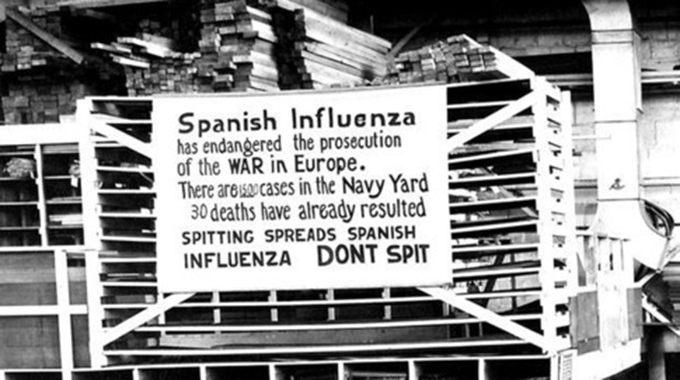
The Rhodesia Herald, 8 November 1918
“All restrictions in connection with the outbreak of Spanish Influenza in Salisbury will be removed at midnight on Saturday.”
This statement made by the mayor yesterday indicates exactly the epidemic position as it is in this town. The disease has run its course, or will have done by the end of the week, and only the cleaning up remains.
As a result of this official decree, the churches will hold their usual services on Sunday, the swimming baths will again be thrown open and lovers of the bioscope will again be able to visit the Palace Theatre.
It is understood also that the travelling restrictions on the railway imposed upon Indians, coloured and natives will be removed.
And what of the schools? It is suggested that these should now remain closed until the end of the year. In any case, they would close early in December, but it has to be considered that most of the teachers have been putting in some strenuous work of late whilst the scholars are now all scattered, many being on farms, and possibly some are still infected in the outside districts.
The idea for schools to remain closed for the time being is a good one and, as will be seen from our news columns, will probably be followed in many centres in the Union.
LESSONS FOR TODAY
The Spanish flu epidemic of 1918 led to millions of deaths, which resulted in the Rhodesian Government putting some drastic measures to contain the disease. Some of the restrictions put in place are similar to the current Covid-19 pandemic restrictions imposed by Government.
The Spanish influenza ran its course as the number of infected and deaths decreased and in most areas, no cases were reported.
Just like now, when the Government is opening up the economy by carefully easing some restrictions, this also happened in 1918 when Government allowed churches and other sectors to start operating cautiously.
Although schools have remained closed, some education institutions are utilising information and communication technologies to continue with lessons. This new normal calls for schools and tertiary institutions countrywide to invest in ICTs.
The new normal has seen churches and private companies utilising ICTs in their various operations. ICTs have also created job opportunities for those with entrepreneurial skills.



 Online Reporter