Online Reporter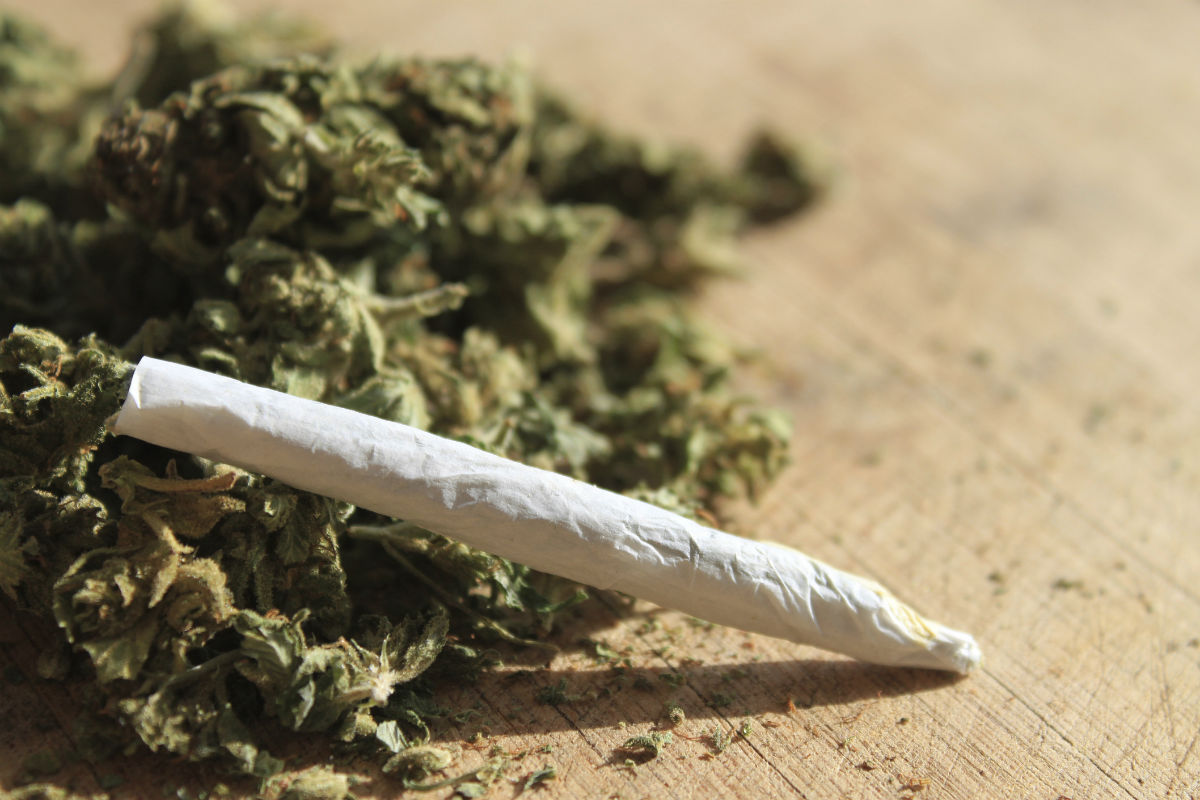
The Herald, 21 July 1997
FOREIGN drug dealers are using Zimbabwe as a transit zone for hard drugs and as a result some of these drugs have eventually found their way onto the local market.
Drug abuse is an increasing occurrence in the country and according to statistics from the Criminal Investigation Department (Drug Section), 789 people were arrested for drugs, mainly mbanje, last year.
Youths were the most vulnerable to drug abuse and high rates of juvenile delinquency and crimes were linked to alcohol and drug abuse.
In Harare, Mbare high-density suburb was notorious for drug abuse. This had been attributed to the fact that it was a central point in the city as “all” roads from outside Harare lead to the main long distance bus terminus at Mbare Musika.
As a result of the ever-growing problem, a group of youths in the area came together and formed the Mbare Drug Action Committee, which works under the auspices of the Resource Centre for Alcohol and Drug Abuse in the Ministry of Health and Child Welfare.
The committee comprises mostly school-leavers who had taken it upon themselves to campaign against drug and alcohol abuse. The idea was to spread the message throughout the suburb and this involved activities like drama, music and putting up posters at public places, including Mbare Musika, Stodart Hall and shopping centres.
The committee’s secretary, Kudakwashe Kamoto, recently told The Herald that alcohol and drug abuse had reached alarming proportions in the suburb, with mbanje being sold and smoked in broad daylight. Teenagers, some as young as 13 years, sold and took the drug.
“Because of that we have made schools our stepping stone”. Mbare Drug Action Committee is convinced that if we start from schools we might achieve our goal of an alcohol and drug free community in the future.
Lessons for today:
- As of 2025, Zimbabwe is facing a serious and escalating drug abuse crisis, with both domestic consumption and international trafficking playing major roles.
- The most affected demographic is youth aged between 16-25, who account for 80 percent of drug-related psychiatric admissions. Commonly abused substances include mbanje (cannabis), crystal meth (mutoriro), broncleer (codeine syrup), and cough mixtures.
- The Zimbabwe Republic Police (ZRP) has intensified operations, with a focus on drug lords and trafficking networks.
- There is a strong link between unemployment and drug use, creating a vicious cycle of poverty and addiction.
- Zimbabwe continues to be used as a transit route for international drug trafficking. The Government has launched the Zimbabwe National Drug Master Plan, a multi-sectoral approach to disrupt supply chains, promote rehabilitation and treatment and raise public awareness.
- The formation of the Mbare Drug Action Committee by local youths shows the power of grassroots initiatives. Their use of drama, music, and posters to raise awareness is a great example of peer-led advocacy. Schools can serve as safe spaces for awareness, support, and early detection.