Online Reporter
Bruce Ndlovu, Sunday Life Reporter
RONALD Pullen (72) remembers all his neighbors from the time he moved into Clark Road in Suburbs, Bulawayo, in the 1980s.
To his left was the Johnson family, who he remembers for their weekend braais, which would send the smell of succulent steaks — roasting over a pinewood fire — wafting through his own yard every Sunday. On such lazy days, Pullen would not hesitate to pay what eventually became a ritualistic visit to his neighbors, chatting about life in their community while chewing on choice cuts of beef.
To his right lived a Gilberts, who, he recalled was not often at home and did not have a family.
When he was home, however, Gilberts loved to drop in for a chat — particularly about current affairs and the fortunes of Liverpool Football Club, which he had a special fondness for.
Three decades since moving into his house in Suburbs, the neighborhood Pullen once knew has drastically changed.
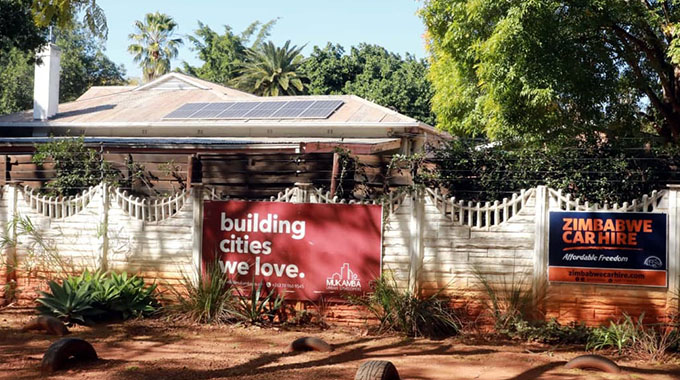
The Johnsons and Gilberts are both long gone and Pullen is now flanked by a thriving café and a law firm. While the café offers enticing aromas, it does not evoke the same feeling as the Johnsons’ sizzling steaks.
“Being surrounded by businesses brings a different feeling,” he told Sunday Life in an interview.
“Everything is impersonal. I would go as far as to say it is cold, even. There is little to no interaction and that spirit of neighborliness does not exist. Some people prefer it that way, of course.”
This flight of private residents and influx of businesses into formerly residential areas reflects the changing face of Bulawayo.
In April, the City of Bulawayo gazetted its long-awaited Local Development Plan (LDP) No. 19, paving the way for the transformation of traditional low-density suburbs like Suburbs, Kumalo and Parklands into vibrant, mixed-use investment corridors. The plan, officially gazetted on April 18, marks a major shift in the city’s spatial planning strategy. Its overall aim is to ease pressure on the Central Business District (CBD) while unlocking economic potential in surrounding neighborhoods.
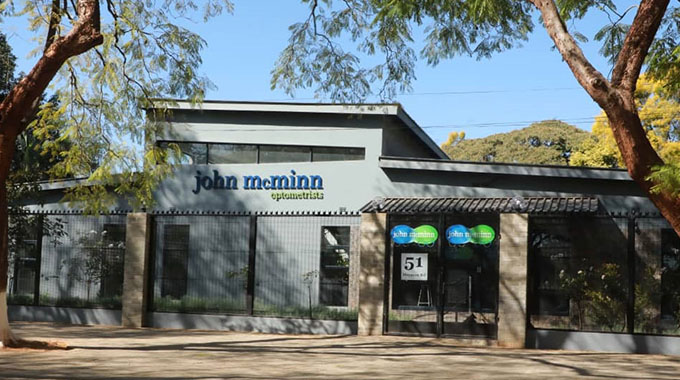
“The Suburbs area has commercialised, as we now see a lot of offices, restaurants and various medical suites operating in the area,” said the city’s acting principal town planner, Shelton Sithole, in the council’s newsletter.
“Several organisations already have offices here and the City crafted the LDP to support those initiatives while maintaining a balance — ensuring we do not kill both the CBD and the residential areas.”
For companies and business owners, these changing trends have been a Godsend, especially as they believe rentals in the CBD had become extortionate.
With many still trying to find their footing in tough economic times, the cost of operating in the CBD had become prohibitive.
For homeowners — particularly those living in the diaspora or planning to move there — this shift has brought about an unexpected boon. Companies seeking relief from high CBD rentals are now able to pay the steep rents required in Bulawayo’s so-called leafy suburbs.
Letting property to companies also offers a more stable and predictable income stream with reduced risk of vacancy, providing the kind of stability homeowners may not enjoy when renting to private individuals.
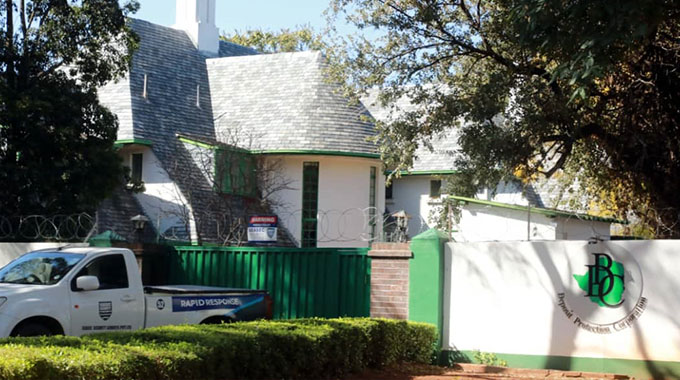
These favorable conditions for both tenants and homeowners have driven a migration of businesses to suburbs nearest to the CBD.
A report by real estate management giant, Knight Frank earlier this year indicated that this trend is not unique to Bulawayo — it is also occurring in the capital, Harare.
The report highlighted increasing vacancy rates in CBDs, with factors like rising crime and expensive parking also contributing to the flight of businesses.
“Vacancy rates in Harare and Bulawayo’s CBDs have reached 60 percent and 40 percent, respectively. This significant level of vacancy can be attributed to several factors including aging and poorly maintained infrastructure a reported 13 percent increase in crime within the CBDs between H2 2023 and H2 2024, and limited and expensive parking options, with average casual parking costs in the CBD reaching US$1 per hour, compared to free parking in most suburban locations.
“According to our data, 30 percent of businesses previously located in Bulawayo’s CBD have relocated to suburban areas such as Suburbs and Kumalo between H2 2020 and H2 2024. In Harare, a similar trend has been observed, with all major banks having either relocated, planned to relocate or in the process of building head offices in the northern suburbs such as Highlands, Newlands and Borrowdale during the same period.”
High rentals, traffic congestion and crime have proven to be a potent cocktail that has made residential areas increasingly attractive, Knight Frank added.
“Tenants are also leaving the CBD because of traffic congestion and high rental rates. For instance, traffic congestion within the Harare CBD has increased by 30 percent in recent years, contributing to tenant dissatisfaction.
“Average rental rates in the CBDs are currently US$6 per square meter, compared to US$10 per square meter in suburban locations. Furthermore, while parking is typically charged at US$1 per hour in the CBD, free customer parking is widely available in suburban office parks,” the report said.
While the changing dynamics represent a boon for some homeowners, others are worried about what the changes mean for their neighbourhoods.
In its plan, the City of Bulawayo said it would introduce a tiered zoning system that allows for office parks in selected areas while maintaining the residential character of others —particularly in Parklands and Kumalo.
This flexible approach promotes integrated land use without compromising the area’s low-density charm or undermining the vitality of the CBD.
“Those who want to convert their properties for commercial use have the leeway to do so. We have the low-density zone and we sought not to change the form and character of these areas — especially in the Kumalo and Parklands areas,” said town planner Sithole.
For Pullen, the fear that he would one day be surrounded only by businesses — with no spirit of neighborliness — is real.
“People are making money from their property and there is no shame in that. This arrangement is perfect, particularly for those in the diaspora. I just cannot help but feel that we are losing a bit of the community spirit we had in the past. You cannot have the same camaraderie with businesses,” he reckons.