admin
adminCosmopolitan, Vogue and Elle magazines.
Ala’s pages are splashed with models reflecting a conservative Islamic style, all wearing headscarves and long dresses, with their arms and necks covered.
Ala’s editor, 24-year-old Hulya Aslan, has first-hand experience with Turkey’s headscarf troubles. Because she insisted on wearing one, she had to give up a university education, instead finding work at a bank.
“Now there is normalisation, an improvement. Now our veiled comrades can enter university and have more professional opportunities,” she said. “For the last five or six years we can say we have turned the corner.”
Ala, created by two advertisers, offers the usual fare of health tips, travel pages and celebrity interviews, supplemented by a strong dose of loud and clear Islamic activism.
“Veiled Is Beautiful” proclaims one advertisement, driving home the point with the words: “My way, my choice, my life, my truth, my right.”
But such slogans sound more like a reference to the struggles of the past, when secularism monopolised the social scene and the Islamic headscarf, often viewed as a political symbol, met hostile reactions.
The struggle continues despite the 2002 poll victory of Prime Minister Recep Tayyip Erdogan’s Justice and Development Party (AKP), which has Islamist roots and many of whose members have spouses who wear headscarves, including Erdogan’s wife Emine. — AFP.


Online Reporter
- Herald
- October 2, 2026
- 14 views
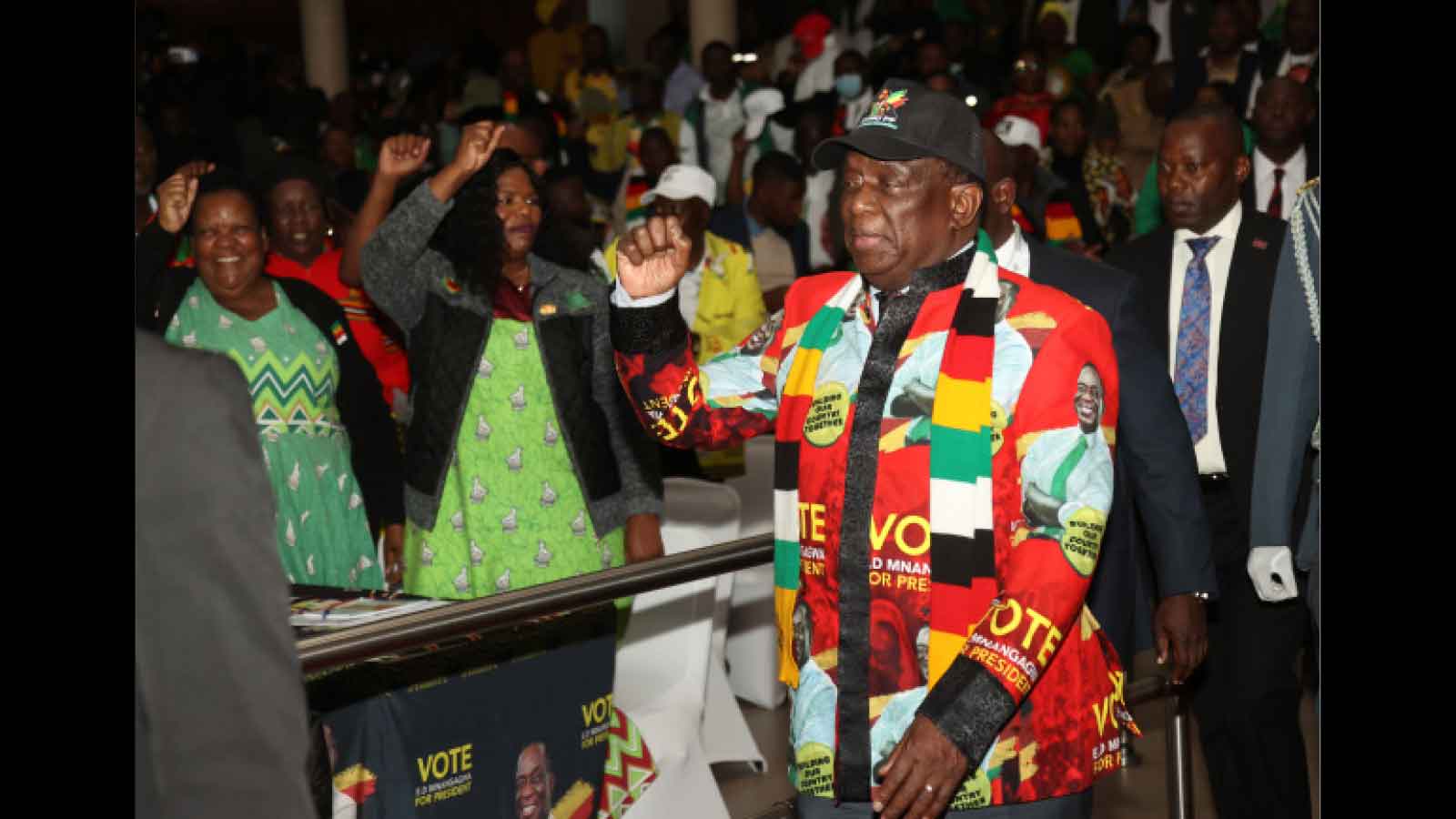
‘Let’s listen to the people’ . . . Put their needs at core of development: President
Zvamaida Murwira and Joseph Madzimure GOVERNMENT must keep listening to the people, as they expect it to deliver policies that put their welfare and needs at the core of national…