Tinaye Agere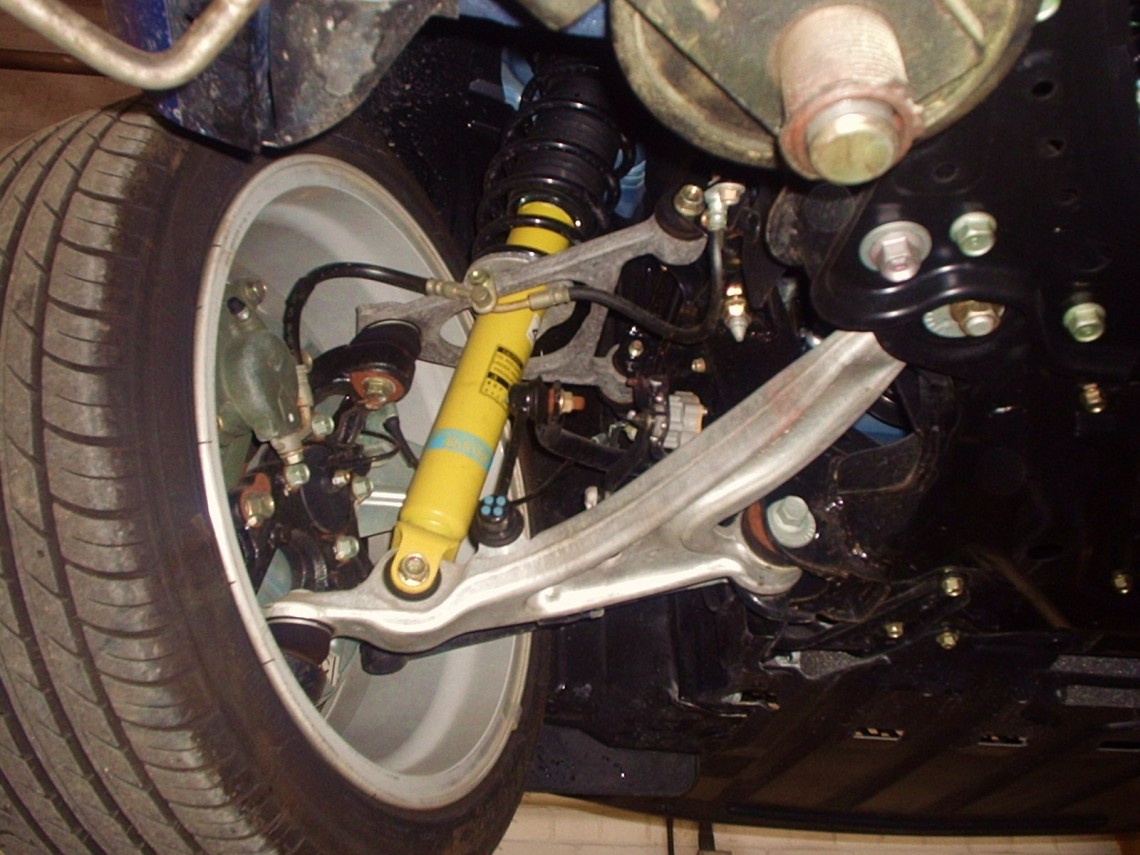
FOR most car owners, the suspension system remains an enigmatic component despite its crucial role in vehicle safety and comfort. This system, particularly the shock absorbers, ensures a smooth ride and maintains tyre contact with the road, contributing to effective braking and stable handling.
Understanding the anatomy and functionality of car suspension is essential for recognising signs of wear and efficiently addressing them.
Essence of car suspension
The car suspension system is designed to maximise friction between the tyres and the road surface, provide steering stability and ensure passenger comfort. The system comprises several parts, including springs, shock absorbers (or dampers), struts, control arms, and ball joints. Its primary function is to absorb the energy from road irregularities and dissipate it, preventing excessive vehicle motion.
Shock absorbers: The frontline of suspension
Shock absorbers are vital to the suspension system. They control the impact and rebound movement of the vehicle’s springs and suspension, allowing the tyres to maintain constant contact with the road. There are two main types of shock absorbers in most cars: hydraulic and gas-filled. Hydraulic shock absorbers use a fluid to absorb energy, while gas-filled ones employ a combination of fluid and pressurised nitrogen gas, offering a firmer ride quality and better handling.
Front shock absorbers
Front shock absorbers are critical in managing the impact of road conditions on the steering system. In vehicles with front-wheel drive, the front shocks bear a significant portion of the car’s weight, requiring frequent inspection and maintenance.
Rear shock absorbers
Rear shock absorbers, while similar in function to the front ones, often endure less stress in front-wheel-drive cars. However, in rear-wheel or all-wheel-drive cars, they play an equally crucial role in vehicle stability and control.
Recognising malfunctions
Signs of failing shock absorbers include a bouncy ride, uneven tyre wear, leaking fluid and vehicle nosediving during braking. Causes of malfunctions can range from normal wear and tear to damage from road hazards or accidents.
Replacement guide
Replacing shock absorbers is a detailed process that typically involves lifting the vehicle, removing the wheel and replacing the old shock with a new one.
Regular maintenance and timely replacement of shock absorbers are vital for the safety and performance of a vehicle. Keep them in good repair and they will make your journeys more enjoyable. — autodoc.co.uk



 Online Reporter