


 Online Reporter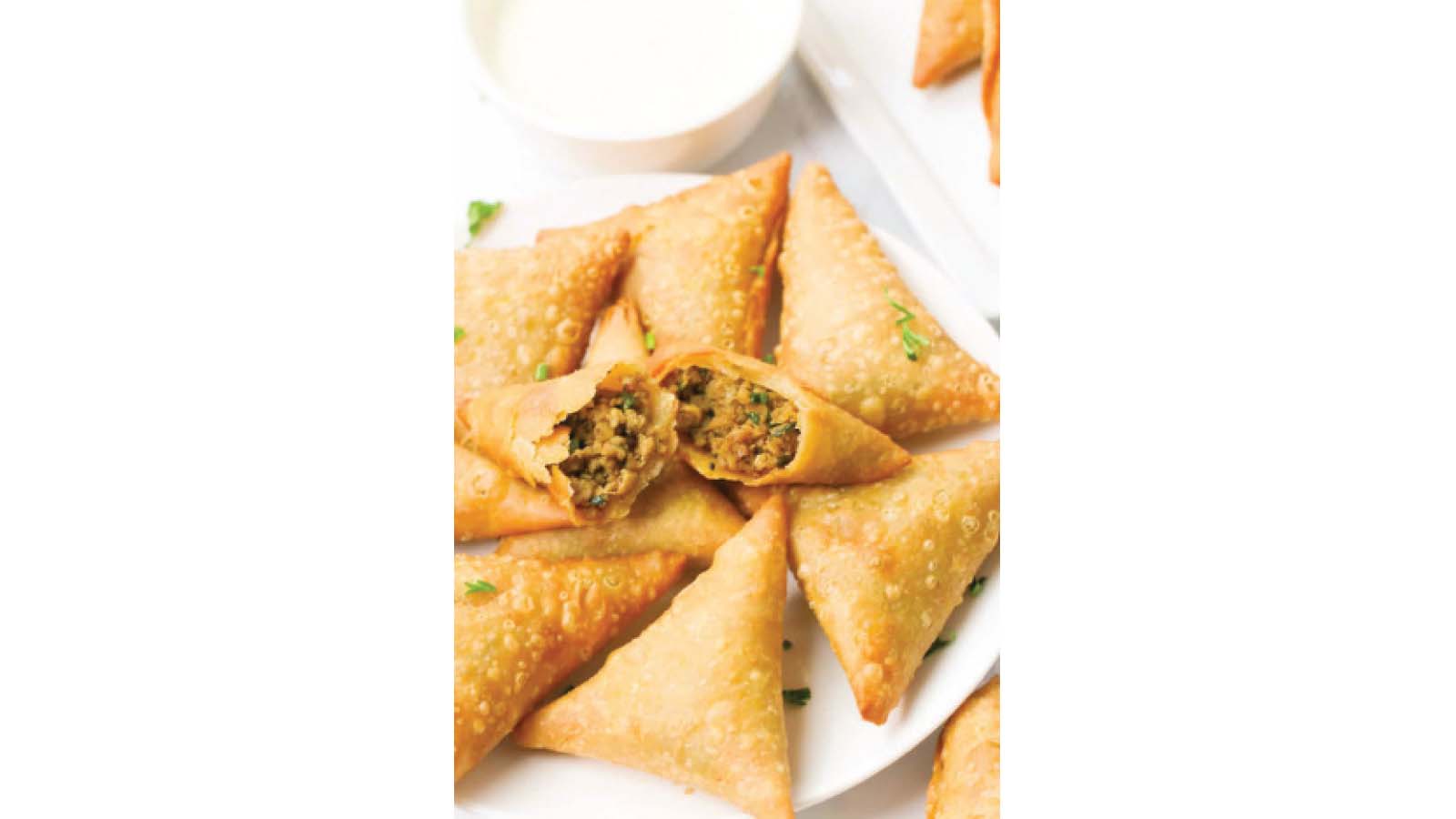
THIS week, we have a recipe for making 32 delicious samoosas.
Making dough
Ingredients
240g flour;
Six tablespoons of vegetable oil;
A pinch of salt;
One teaspoon of spice (thyme or any other);
Warm water
For the filling
Four medium Irish potatoes;
Four handfuls of green peas;
Two large carrots;
400g minced beef/meat;
Four cooking spoons of vegetable oil;
Stock cubes;
Two onions (cut into thin circles);
Two teaspoons of curry powder;
Salt and ground pepper (to taste)
One pinch of garlic powder (you can add more masalas to your mince)
How to make
Filling
Wash and peel the Irish potatoes and carrots. Dice them into tiny bits and add the green peas. Add a little salt and cook for approximately five minutes. Take them off the heat once they get soft and set aside. Slice the onions in circles and set aside.
Heat up the vegetable oil in a small pot, add the onions, curry and garlic powder, and stir for a few seconds.
Add the minced meat and stir-fry until it turns to a pale colour. Add the stock cubes, pepper and salt to taste. Add the cooked vegetables and mix together on medium heat for about three minutes.
Dough
Pour the flour into a medium mixing bowl. Add warm water, salt and vegetable oil. Mix until you have a smooth, stretchy dough.
Cover the mixture with an airtight plastic wrap and leave to rest for approximately 15 minutes, then knead the dough to make it stretchier.
Use a rolling pin to roll out the dough to a thickness of about two to three millimetres.
Cut the dough into circles. You can use the rim of a round glass bowl if you do not have a circular dough cutter.
Cut those circles into two equal halves and smudge water on the straight part of the semi-circular dough. Do not close it yet.
Put a spoonful of the filling into the dough and fold it shut. Repeat this process until all the dough is finished.
Heat up vegetable oil on medium heat. Make sure the oil is not too hot, then fry until the colour changes to light brown.
Place the fried samosas on a paper towel to drain off excess oil.
Food safety guidelines
The importance
of handwashing
This week we revisit the basics of food safety, specifically handwashing.
Our hands are a common pathway for the transmission of infectious diseases. Germs can spread when people touch contaminated surfaces or care for sick individuals.
Regular handwashing helps remove dirt, harmful microbes and chemicals that may be present on the skin. Good hand hygiene can significantly reduce the risk of illnesses such as diarrhoea, respiratory infections, colds and flu.
Proper handwashing is essential for protecting both individuals and communities, as it promotes food safety and prevents foodborne illnesses.
Rudo Kandiero is a qualified chef with a diploma in food preparation and culinary arts, patisserie and food safety the HACCP way. She can be contacted on Facebook and Instagram (Rudo Kandiero).




 Bongani Ndlovu