Online Reporter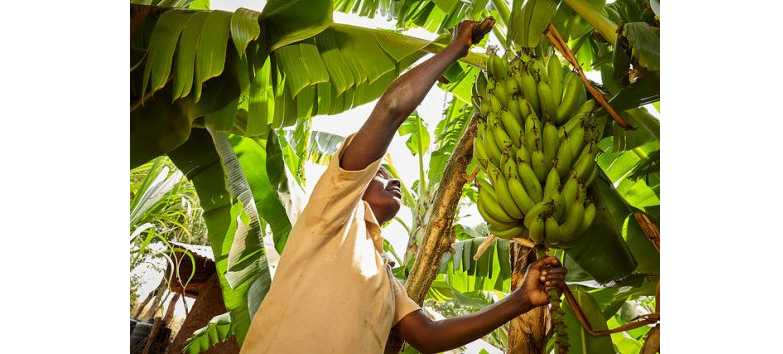
Ray Bande
Senior Reporter
MOTHER Theresa, the late Roman Catholic nun and founder of the Missionaries of Charity, once said: “When a poor person dies of hunger, it has not happened because God did not take care of him or her. It has happened because the world failed to give that person what he or she needed.”
In equal measure, something – not necessarily financial or material – needs to be given to the people of Honde Valley in Mutasa District and other parts of Manicaland, where malnutrition levels remain high.
Interestingly, Manicaland is endowed with vast tracts of fertile land and thriving agricultural activities.
However, in Honde Valley, for instance, available data from the Ministry of Health and Child Care reveals that acute malnutrition cases average 10 per month, according to the District Health Information System.
According to the Zimbabwe Livelihoods Assessment Committee 2024 survey, Manicaland stunting rate stands at 32,6 percent, while Mutasa is at 25,4 percent.
The World Health Organisation considers stunting prevalence above 20 percent to be high.
This is particularly concerning in Manicaland, a major agricultural production hub renowned for its banana plantations.
The valley’s fertile volcanic soil and subtropical climate, characterised by high rainfall and temperatures, create ideal conditions for banana cultivation.
In addition to bananas, the region produces tea, coffee, macadamia nuts, beans, and other crops.
Despite these favourable conditions, there are underlying reasons for this undesirable trend.
Mutasa District Medical Officer (DMO), Dr Authur Kapfunde said: “These trends are mainly due to poor consumption patterns, caused by the high mobility of caregivers who spend extensive time on farms and in markets, prioritising income generation through selling quality produce over household consumption, as well as knowledge gaps.”
The irony is that Honde Valley, with its lush scenery and favourable rainfall patterns, records high malnutrition figures, similar to other parts of Manicaland.
This phenomenon illustrates that a population or individual can be food secure, yet still experience malnutrition.
In essence, having access to sufficient food does not guarantee adequate nutrition.
Cursory research reveals that malnutrition can occur when food quality is inadequate, despite sufficient quantity.
Factors such as micronutrient deficiencies, poor food diversity, and underlying health conditions contribute to malnutrition, even in food-secure populations.
The UN World Food Programme defines food security as having access to enough food to meet energy needs.
In contrast, nutritional security requires access to a diverse range of nutritious foods providing all necessary vitamins and minerals for a healthy life.
Factors contributing to malnutrition despite food security:
Micronutrient deficiencies is one.
This occurs when people may consume enough calories but lack essential vitamins and minerals, leading to conditions like anaemia or vitamin A deficiency.
Poor dietary diversity is also factor.
A diet based on a limited range of staple foods, even in sufficient quantity, can lead to nutrient deficiencies.
In an interview on the sidelines of the NotInMyVillage campaign outreach programme at Makwara Primary School last Thursday, Mr Peter Musendi, representative of the District Development Coordinator’s Office, said: “We face a challenge where mothers spend most of their time at markets such as Mbare in Harare, selling agricultural produce like bananas, while fathers are left to care for the children. This trend leads to poor feeding habits for children, as fathers may not have sufficient time to monitor their children’s food consumption.”
Mr Musendi also highlighted the lack of dietary diversity due to inadequate meat consumption, resulting from low levels of animal production at the household level.
“Another significant reason for malnutrition in this area is the low level of animal production. We lack sufficient grazing land, and most of our land is dedicated to crop production. Consequently, few families keep animals for meat production,” he said, adding that disease outbreaks affecting livestock pose additional challenges.
“For instance, we interviewed a family in Matsapa Village who lost 34 chickens to disease, leaving them with only eight. This highlights the need to address animal health issues to improve nutrition and food security,” he said.
Member of the House of Assembly for Mutasa North, Honourable Obey Bvute, said: “Malnutrition levels have always been high in our area, possibly due to lack of thorough research. The reasons vary, including lack of balanced diets. Although we have ample crop production, we lack diverse food sources for a balanced diet.”
He emphasised the need for health professionals and agricultural experts to promote diverse food production, preparation, processing, and consumption.
Local dietician, Mr Ephert Bhobho said: “There is generally reduced food security at the household level in rural areas, which might be due to the unavailability or inadequacy of food. According to the latest Demographic and Health Survey Report, 28 percent of women belong to the apostolic sect churches that accept polygamous marriages, resulting in a high burden of food production.
“Manicaland, being the headquarters, and areas like Honde Valley being strongholds of apostolic churches, further explains the huge burden of malnutrition.
“The report also found high fertility rates in rural areas, with an average of 4,6 children per woman, compared to 3,1 children per woman in urban areas. This strains food availability, particularly since most rural women are unemployed.
“We also observe a paradox in districts with favourable conditions, such as ample rainfall and water reserves, yet still record high malnutrition rates among children. This suggests knowledge gaps in dietary diversity and proper nutrition, or possibly behavioural resistance to change among locals. Therefore, diet likely contributes to these alarming statistics.”
As Mother Teresa once said, people facing life-threatening situations need knowledge to effect behaviour change, similarly, people of Honde Valley and areas with similar challenges require knowledge to promote household consumption of nutritious foods, improve Infant and Young Child Feeding (IYCF) practices, and enhance Integrated Management of Neonatal Childhood Illness (IMNCI).
Dr Kapfunde added: “To address malnutrition, the district, with support from World Vision International, is introducing the Care Group Model to 10 health facilities in the Honde Valley area. This initiative aims to promote behaviour change, improve household consumption of nutritious foods, and enhance infant and young child feeding practices, as well as integrated management of neonatal childhood illness.”