Online Reporter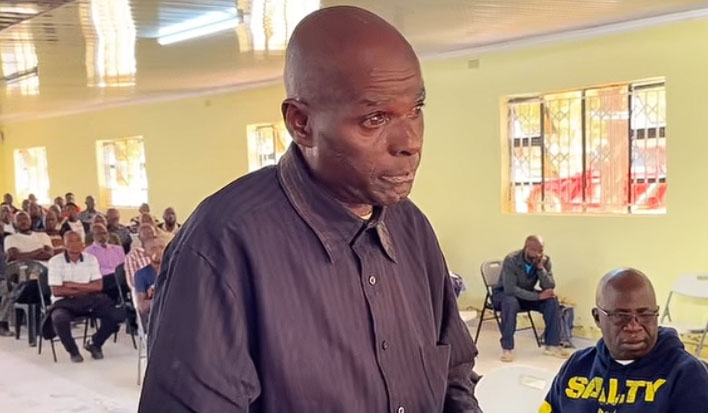
Tendai Gukutikwa
Weekender Reporter
A MUTOKO man, convicted of negligent driving after an infant was killed in a road accident, has now sensationally claimed the tragedy was suspicious — even suggesting it may have been stage managed.
The case came before Chief Mutasa’s community court after Lyford Nyagura sought mediation with the family of a deceased child, saying he feared the wrath of ngozi — an avenging spirit — following the infant’s death.
Although already convicted of negligent driving over the fatal accident, Nyagura told the court he still had unanswered questions about how the tragedy unfolded.
He claimed the child appeared on the road under mysterious circumstances on a dark January evening in Mutoko.
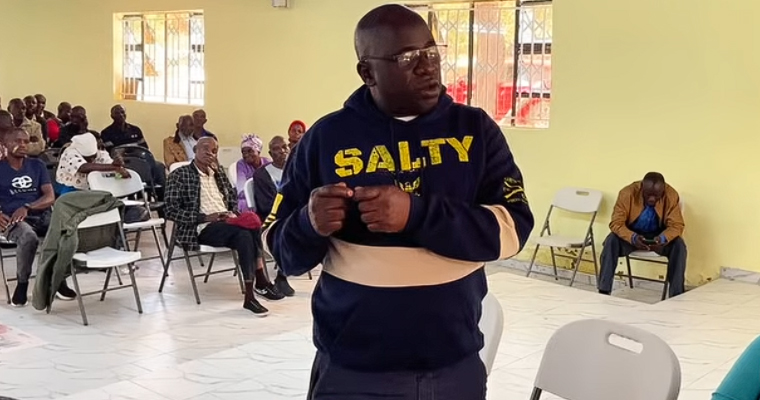
“In my view, there are still many unanswered questions about what exactly happened that night,” Nyagura said.
“I was driving in the area after dark, and I noticed a woman standing on one side of the road and a man on the opposite side. As I was trying to turn, people suddenly shouted that I had knocked down a baby.
“What surprised me was that another woman emerged carrying the child wrapped in a blanket. We rushed the baby to the hospital and later reported the matter to the police, but the child was pronounced dead,” said Nyagura.
He maintained that he struggled to understand how the infant ended up in the road.
“The child was said to be only three-months-old. I still do not know how such a young baby could have ended up alone in the road in those circumstances. That is why I felt I needed traditional intervention so that both families can talk openly and find closure. I want the court to allow us to consult a traditional healer so that we hear what really happened to this baby and what the baby wants before it becomes a thorny issue for my family later on in life,” he said.
He added that he had tried to assist with funeral expenses, but the Kunjenjema family refused.
He said despite all his efforts, relations between the two families remained strained.
“We bought groceries and other necessities for the funeral, but the family refused to accept them. They attacked my friends I had sent. Since we all stay in the same area in Mutoko, it has become difficult to continue living peacefully without resolving the matter,” he said.
Nyagura further revealed that he approached the court because he feared spiritual repercussions if the matter remains unresolved.
“I decided to come here because I want to seek reconciliation before anything bad happens to me or my family spiritually,” he said.
However, the deceased child’s family dismissed Nyagura’s claims that the accident scene was manipulated, insisting the death was caused by reckless driving.
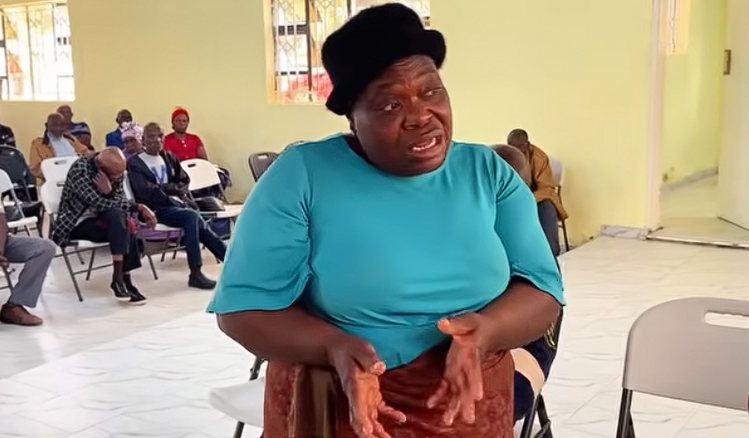
The child’s grandmother, Martha Kunjenjema, said the infant was eight-months-old and had accidentally wandered into the road while the parents were clearing debris nearby.
“The child’s parents were working near the roadside when the baby, who was still learning to walk, moved onto the road unnoticed.
“This driver was speeding and struck the child. The child died instantly,” she said.
Martha said the family was more hurt by Nyagura’s conduct after the accident than by the accident itself.
“We understand that accidents happen, but what pained us is that he never came to the funeral or even sent relatives to represent him.
“We invited him several times, but he refused, claiming he feared being assaulted. Even after burial, he continued avoiding us. That is what disappointed the family,” she said.
She said Nyagura was later convicted of negligent driving by the courts, although the sentence imposed did not satisfy the family.
“He has since been convicted by the courts. What we do not understand is why he is reopening the matter through traditional structures after all this time.
“If there is something troubling him spiritually, then he should say so openly,” she said.
The deceased child’s uncle, Needmore Kunjenjema, also questioned why Nyagura had failed to engage the family soon after the tragedy.
“As a family, we accepted that it was an accident because accidents do happen.
“But culturally and morally, we expected him and his relatives to come to the funeral, and sit down with us. That never happened,” he said.
Needmore said had Nyagura approached the family earlier, tensions between the two sides might have been avoided.
Chief Mutasa questioned Nyagura’s decision to revive the issue through the court without first directly engaging the child’s parents.
“You cannot simply come seeking spiritual intervention while at the same time making serious allegations without clear evidence” asked Chief Mutasa.
The traditional leader, however, acknowledged that the matter still requires reconciliation between the two families.
“You were supposed to attend the funeral or at least send relatives to represent you. Even in criminal courts, attending a funeral is considered a sign of remorse and a mitigation factor.
“You should have first followed proper traditional channels by engaging the family directly and allowing elders to mediate before bringing the matter to court,” he said.
Chief Mutasa urged both families to pursue dialogue, and tasked Needmore to help facilitate dialogue aimed at restoring peace between the two sides.
The matter was adjourned to allow the families an opportunity to engage outside the court.