Online Reporter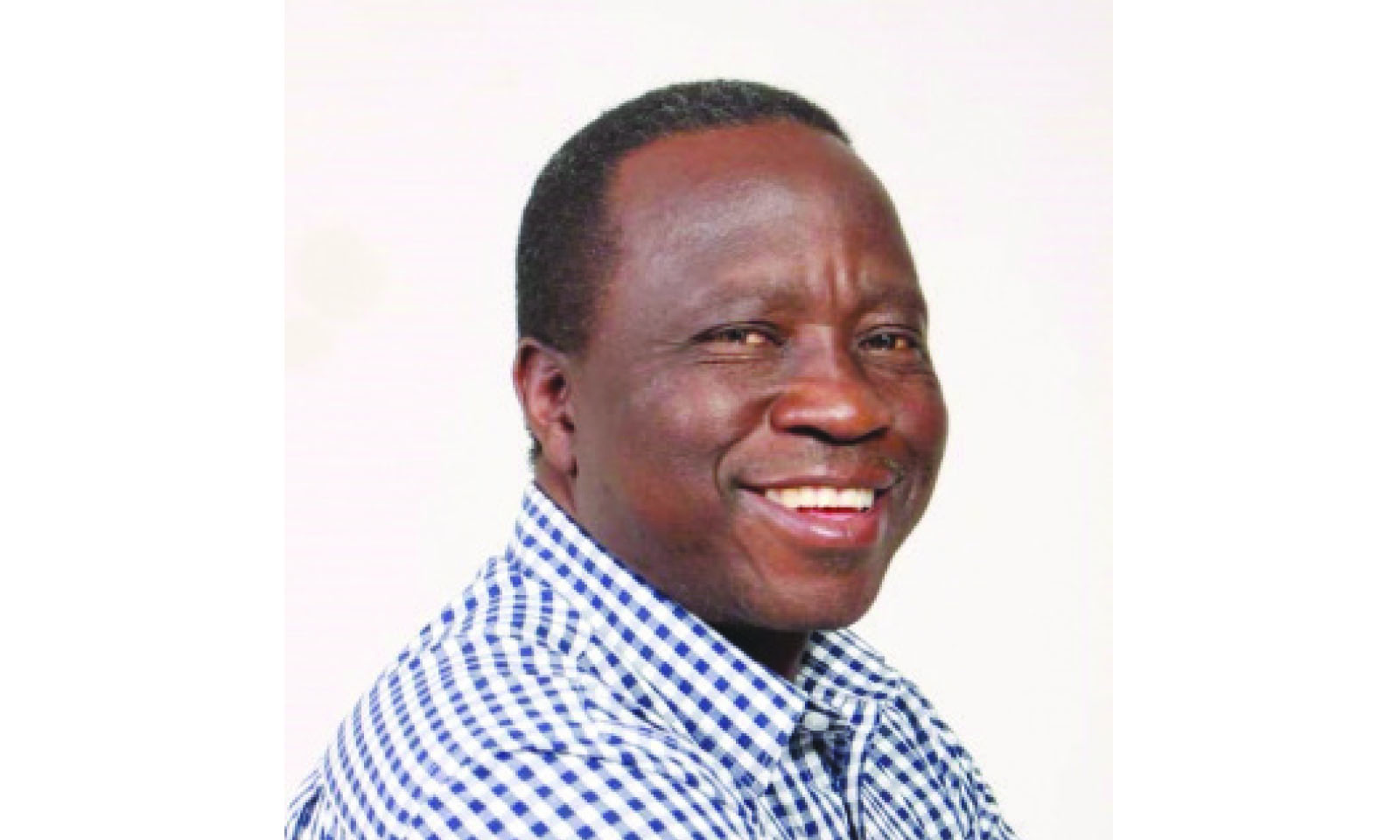
Remember Deketeke
Herald Correspondent
When a missile tore through a building just three blocks from his hotel room in Isfahan, Iran, Mr Wilson Mawoyo felt the kind of fear that grips the soul and refuses to let go.
The floor shook violently. Windows trembled in their frames. A deep boom echoed into the night like a thunderclap from a vengeful sky.
And for the first time in his life, he felt the full weight of being a foreigner in a war zone, vulnerable, exposed and far from home.
“I couldn’t believe it. I was there for medical reasons, on a simple fact-finding mission to assess the facilities,” Mawoyo told The Herald, still visibly shaken from the experience.
“One minute I was admiring the beauty and calm of Isfahan, the next I was hearing bombs, real bombs, and scrambling to get out alive.”
Iran had opened its arms to him.
The country’s second-largest city of Isfahan had shown him a warmth and hospitality that reminded him of home.
The locals were, in his own words, “nice to the core”.
But when Israel launched a surprise missile strike on Tehran, targeting top generals and nuclear scientists, everything changed in a heartbeat, including in Isfahan, which was also attacked.
“I had just spent three days in what I thought was a peaceful country,” he said.
“Suddenly, I was witnessing the sky lit up with rockets, and every passing hour was filled with uncertainty.”
The call from the Zimbabwean Embassy came swiftly and firmly, all nationals were to make their way to Tehran.
Mr Mawoyo, along with three other Zimbabweans in Iran for various medical reasons, hired a vehicle and made the 450km journey overnight.
“It was surreal,” he recalled.
“Driving in the dead of night, going through security checkpoints, and watching missiles streak through the sky like fiery spears. I kept praying we wouldn’t be caught in the crossfire.”
In Tehran, the gravity of the situation came into sharp focus.
A total of 30 Zimbabwean nationals, including embassy staff, gathered under one roof.
The Embassy, operating under the guidance of Mr Kaseke in the absence of Ambassador Felix Munyaradzi, had already drawn up an evacuation plan, a daunting 1 200km road trip to the Armenian border.
“They were calm, organised and deeply professional,” he said. “They made sure we had two comfortable vehicles, plenty of food and clear instructions. In a time of chaos, they were our rock.”
At the Armenian border, fresh challenges awaited.
Hours of delay due to visa issues tested the group’s patience and resolve. But once again, the Embassy team showed resilience, negotiating tirelessly with Armenian immigration until all 30 Zimbabweans were cleared to proceed.
“The journey to Yerevan was long but incident-free,” he said.
“No explosions. No alarms. Just the comforting hum of the engine and the thought that we were finally out of immediate danger.”
Securing flights out of Armenia, however, proved another uphill climb.
Disrupted flight schedules and fully booked planes meant the group had to remain in Yerevan for three more nights.
Yet even then, the Embassy ensured their safety and dignity, covering all accommodation, meals and logistics.
Eventually, they were booked on a connecting flight to Dubai, then Addis Ababa then lastly Harare, where Mr Mawoyo penned this emotional account.
“I cannot thank the Government of Zimbabwe enough,” he said.
“They took charge of our evacuation with urgency and compassion. Everything, from our food to our shelter, was taken care of.”
His special praise went to the embassy staff.
“In the absence of the Ambassador, Mr Kaseke stepped up and led with calm authority. They were our lifeline.”
Now safely back in Harare, Mr Mawoyo says he will never take peace for granted again.
“You do not understand what peace means until you have heard a bomb drop near you. Until you have had to flee across countries just to stay alive. I am grateful to Zimbabwe and grateful to God.”
As war continues to upend lives across the world, stories like Mr Mawoyo’s remind people of how quickly things can change, and how vital it is to have a nation that looks after its own.