dyton mupawaenda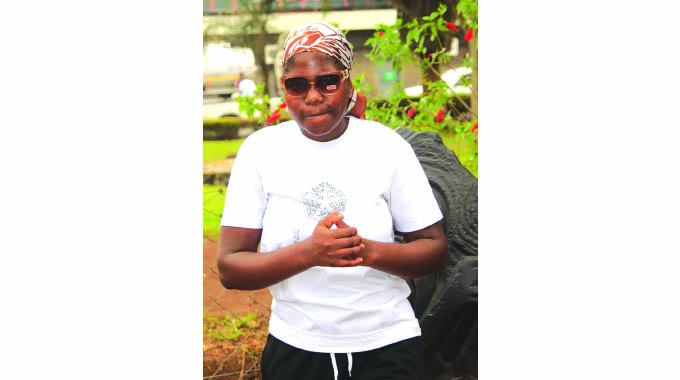
Tavonga Mucheuki
ON the vibrant music scene of Harare, Zimbabwe, a disturbing trend has emerged.
Upcoming artists, particularly those who are female, are finding it increasingly difficult to secure reputable management.
Those who manage to find managers often face exploitation and abuse.
Twenty-year-old singer-songwriter, Empress Nashly, has been trying to make a name for herself in the music industry for a year.
Despite her talent and dedication, she has struggled to find a manager who genuinely believes in her art.
“I met with a certain manager who promised to help me get my big break,” Empress Nashly said in an interview.
“But once he realised I was a female artist, he started making unreasonable demands.
“He even asked me to be his wife in order for him to help me.”
Empress Nashly’s experience is not unique.
The lack of reputable management and the prevalence of exploitation have led many upcoming artists to take matters into their own hands.
Some have formed cooperatives where they pool their resources and expertise to promote each other’s music.
“l realised that l couldn’t rely on managers who didn’t have my best interests at heart,” said Empress Nashly, who is part of an all-female music collective.
“So, l decided to create my own platform, where l can post my music. I am also planning to buy my own equipment with the help of other artists who have the same dreams as mine that will help us make our songs and I know where I am going, trust me I will be big one day.”
Many female artists in Zimbabwe have reported similar encounters with managers who take advantage of their desperation and naivety.
“I was once asked to perform at a gig for free, with the promise that it would expose me to a wider audience,” said Million Gwapp, a 21-year-old rapper.
“But when I got to the venue, I realised that the manager had booked me to perform at a private event, and he was getting paid a hefty sum for my services. I felt exploited and disrespected.
“By promoting transparency, accountability and fairness, we can create a more inclusive and supportive environment for all artists to thrive,” she said.


 Online Reporter