Online Reporter
Trust Khosa Zimpapers Arts and Entertainment Hub
HE only has three recorded jiti songs, yet he is now a household name.
Paddington Chiwashira’s first attempt at recording — captured in a backyard studio in Epworth, Harare — was a success.
While his hit song “Manhanga Matete” has become a runaway success, he remains grounded.
Originally from Mutoko and raised in the communal lands of Chihota, he has always been surrounded by phenomenal drummers.
Humble as ever, this jiti music exponent believes he has a special “anointing” to bring joy to people.
His song “Manhanga Matete”, dominated by soothing drums, has travelled far and wide, reaching audiences beyond Zimbabwe.
Although believed to be a traditional folk song with no known composer, his jiti version has inspired dance, both locally and abroad.
In musical circles, it is joked that he sparked the return of Braveman “Baba Harare” Chizvino, who had switched from secular music to gospel.
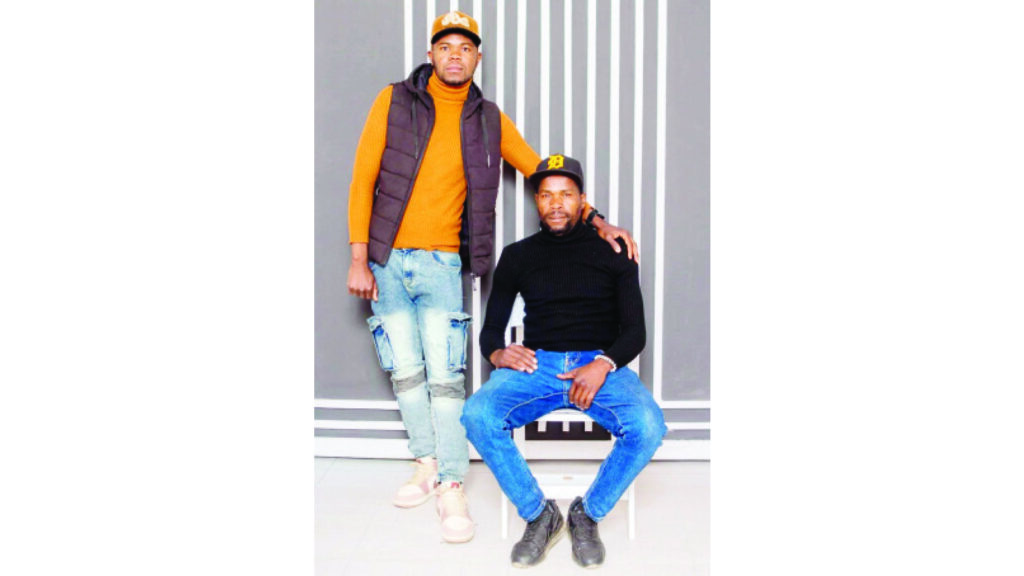
Paddington Chiwashira (sitting) and a band member.
One can be pardoned for concluding the claim holds some truth — jiti has grown so vibrant during Baba Harare’s one-year hiatus that he could no longer ignore its resurgence.
Despite growing demand for performances at shows, birthdays and parties, the “Manhanga Matete” singer remains based in Seke, near the Ziko Shopping Centre.
The question of how fortune has eluded him — just 51km from Harare’s city centre — remains a mystery.
But, at last, Chiwashira, who has another hit jiti song “Ulelenjani” (also referred to as “Vakomana vemaAqua”), seems to be now beginning to enjoy the fruits of his labour, just in time for the lucrative festive season.
Reflecting on his journey to fame without fortune, the singer believes the gods who granted him talent will not forsake him.
“I am the man behind the jiti version of ‘Manhanga Matete’, which is now popular countrywide and even beyond our borders,” Chiwashira said.
“I recorded it in Epworth. It was something I had longed for, but without resources, you cannot access those well-known studios. I had to make do with what I had, and I am glad the mission was accomplished. The gods have smiled on us and we are not stopping after this phenomenal success.”
Reflecting on the pain of being famous yet unknown, he said: “It is sad that many people talk about the song without knowing who composed it. Sometimes, people would discuss me and share distorted versions of my story in my presence, and I could not step in to say, ‘I’m the one you are talking about.’ It is a crazy world — I did not have access to the press or video platforms to share my story and let people know who this person making waves really is.”
With just three recorded songs — “Ulelenjani”, “Tendai Nyakurima” and “Manhanga Matete”— it is hard to believe Chiwashira has made such headlines.
For reviving jiti and getting people dancing to his compositions, he believes he has done enough to introduce himself.
“When the ancestors have a purpose in what you are doing, you can make an impression — even if people doubt you. In my case, I think it is high time this translates into fortune.
“To be honest, I am itching for people to start booking me for live shows. I have come a long way and we want people to meet us now because there are so many narratives out there,” he said.
On the verge of tasting fortune, Chiwashira insists he will not forsake his Chihota roots, where he was raised by his maternal uncles.
“I was raised by my uncles on my mother’s side, and it was in Chihota that I attended jiti sessions. I have always wanted to be both a drummer and a singer. There are many talented village elders in rural areas and I was blessed to learn from the best.
“One of my mentors was Mudhara Makanya — an exceptional drummer. I might achieve anything I want, but to be honest, it was in Chihota that my talent was nurtured. I am grateful to my uncles for shaping this gift.”
Unlike other band leaders who claim all the glory after a breakthrough, he assures fans that they will remain a family.

Paddington Chiwashira (left) and the Rauya Dzimbahwe Group.
“As I said earlier, we are not yet financially rewarded, so we will continue working as a unit. We are a seven-member group made up of two drummers, hand rattle players and backing vocalists. It is just our voices and traditional instruments in all this music that people have been dancing to — and we are content with that, because the beat is pure.”
Chiwashira noted that the only time they were fully rewarded was after performing at a high-profile event of a top Government official’s wife.
“We once performed in Musami at a function where the wife of a top Government official was officiating. We thoroughly enjoyed that experience, but since then, no other offers have come.
“However, we are booked for another show on October 3 at Pakare Paye in Norton. It is an anti-drug abuse campaign and we are expected to share insights with the youth attending. We are more than ready, to say the least. We cannot afford to disappoint — we have been longing for this opportunity for years.”
Like many newcomers, Chiwashira shared some of the challenges haunting their camp.
“For your information, we are still using public transport — and you know how tough that can be. With all the fame we have earned, we deserve our own equipment, transport and marketers who can connect us to the right people.
“We are open to genuine sponsors who share our vision and want to take us places. Right now, we are doing our best without the means. We are open to partnerships, and the people around Ziko shops have been supportive in the best way they can.”
Besides music, he is also a professional builder.
“I have always enjoyed my profession as a builder. Jiti used to be a pastime until we managed to record our music. Now that it has been embraced, I am considering pursuing both professions and see how it goes. My desire is to reach the top and keep jiti music alive,” he added.
“A man should always have a fall-back plan. But when you find where you belong, you need to take that career path and maximise it. With music, you can sing for years. But as a builder, an injury can end your career. I am glad the gods have opened other doors for me and I will continue doing my best.”
With jiti music still one of Zimbabwe’s most celebrated genres — and with the rise of Sekuru “Weru” Gudo, Baba Gweru and the return of Baba Harare — fans should brace for great times ahead.