

 admin
admin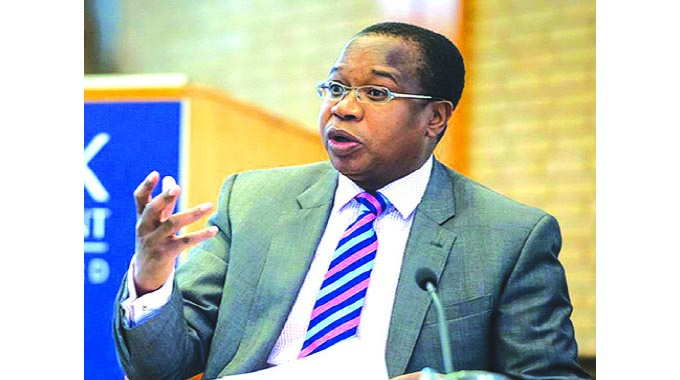
Oliver Kazunga
THE mid-term national budget should contain interventions that promote a conducive environment for businesses to operate while also fostering macro-economic stability, economic commentators and captains of industry have said.
Finance and Economic Development Minister Professor Mthuli Ncube is expected to present the mid-term fiscal policy statement on Thursday.
The upcoming fiscal policy statement comes on the back of inflationary pressures and depreciation of local currency buoyed by financial market distortions.
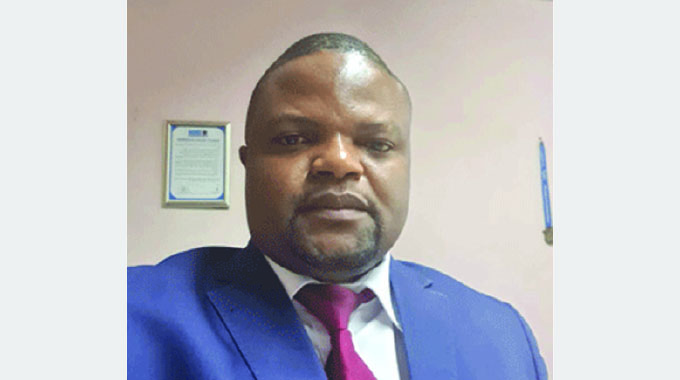
In an interview, the Zimbabwe National Chamber of Commerce (ZNCC) president Mr Mike Kamungeremu said: “The budget is expected to contain measures that enhance the smooth running of businesses. To achieve macroeconomic stability, we expect the Minister to curtail expenditure that has seen broad money growing at unprecedented levels.
“Limiting the tight monetary policy stance to reserve money growth only where the Reserve Bank of Zimbabwe (RBZ) has total control will not be sufficient to control inflation.
As of last month, the rate of annual inflation stood at 191,6 percent up from 131,7 percent in May 2022. In light of the above, he said Treasury has to strategically dispose off its local currency holdings to avoid surprising the market with once-off payments towards financing of on-going projects in which case the local currency would end-up chasing the United States dollars on the parallel market.
“However, the recently introduced gold coins can be a good alternative to the US dollar in terms of value preservation,” said the ZNCC president.
The gold coins are expected to start circulating today.
Mr Kamungeremu said he also expects Prof Ncube to remove all levies on fuel, particularly petrol, like what he recently did on diesel and also reduce the duty on both petrol and diesel.
At the end of last month, the Government completely removed the levy on diesel or brought it to 0 cents and significantly dropped the levy on petrol and was now down to 4,7cents.
“With fuel prices going up globally and fuel being one of the major cost drivers, the mid-term fiscal budget should address the impact of this cost burden on operations.
Over the past few months, following significant pressure on global fuel prices owing to the Russia-Ukraine conflict, the Government has been intervening in the fuel industry in order to stabilise fuel prices.
And on the revision of the incentive structure for investing in Special Economic Zones (SEZs), he said ZNCC expects the Government to introduce a zero percent tax for a period of 10 years from the first year of commencement of works in a multi-facility economic zone or industrial park, on dividends declared on profits made on exports by companies operating in the economic zones.
“The incentives issue needs to be addressed to spearhead investment in SEZs,” said Mr Kamungeremu. An economic commentator Ms Chipo Mpofu echoed similar sentiments adding that the upcoming mid-term budget review should also look at increasing the tax threshold in order to improve consumers’ disposable incomes.
“The current tax-free threshold of $25 000 has been eroded by inflation and therefore it is imperative that Prof Ncube raises the bracket with the reality on the ground in order to improve disposable income for consumers,” she said.
The Confederation of Zimbabwe Industries (CZI) president Mr Kurai Matsheza said they want the IMTT tax to be reviewed downwards to foster a positive business environment.
“The issues of IMTT as you know from the last budget statement, it’s now 4 percent on US$ and 2 percent on ZWL$ and we have always been crying that these must be reduced.
“We want them both to be reduced, and we want both to be the same; the tax bracket with inflation has gone the way it is and we need it (tax bracket) to be reviewed,” he said.
Mr Matsheza said they were quite optimistic that the Treasury would listen to the issues that they have raised as submissions to the upcoming mid-term fiscal policy statement.
Speaking by telephone from Bulawayo, the National Consumer Rights Association spokesperson Mr Effie Ncube said Prof Ncube should alleviate the tax burden in order to increase the disposable incomes of consumers.
“This will spur spending and drive up economic growth. Secondly, the Minister must focus on job creation and the stabilisation of prices while also paying attention to increased budget to support infrastructure growth. Electricity and water supply should be prioritised,” he said.
Market analysts are on record saying a supplementary budget was inevitable and taking into account the prevailing inflationary pressures that have eroded this year’s $927,3 billion national budget presented last November.
The analysts contend that the supplementary budget should be twice the 2022 national budget also taking into account that the local currency continues to depreciate.
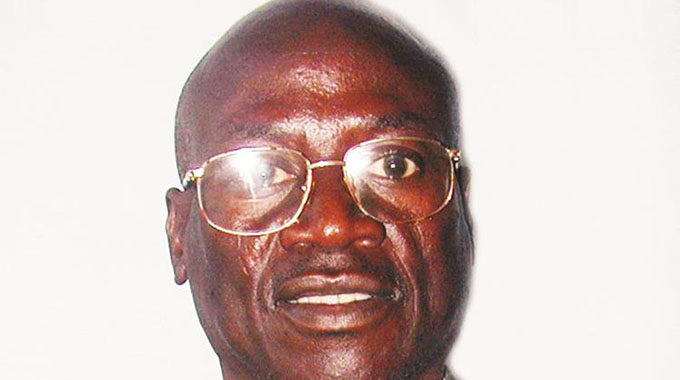
“The mid-term budget review is essential especially in this inflationary environment because the budget that was proposed last year has been eroded by inflation. The allocations that were made at the beginning of the year or at the end of last year cannot work now for the ministries. So it is essential to come up with a supplementary budget which speaks to the realities of the day because of the effects of inflation and driven by loss in value of the Zimbabwe dollar,” said an economic commentator Mr Trust Chikohora.


 Online Reporter
 dyton mupawaenda