Online Reporter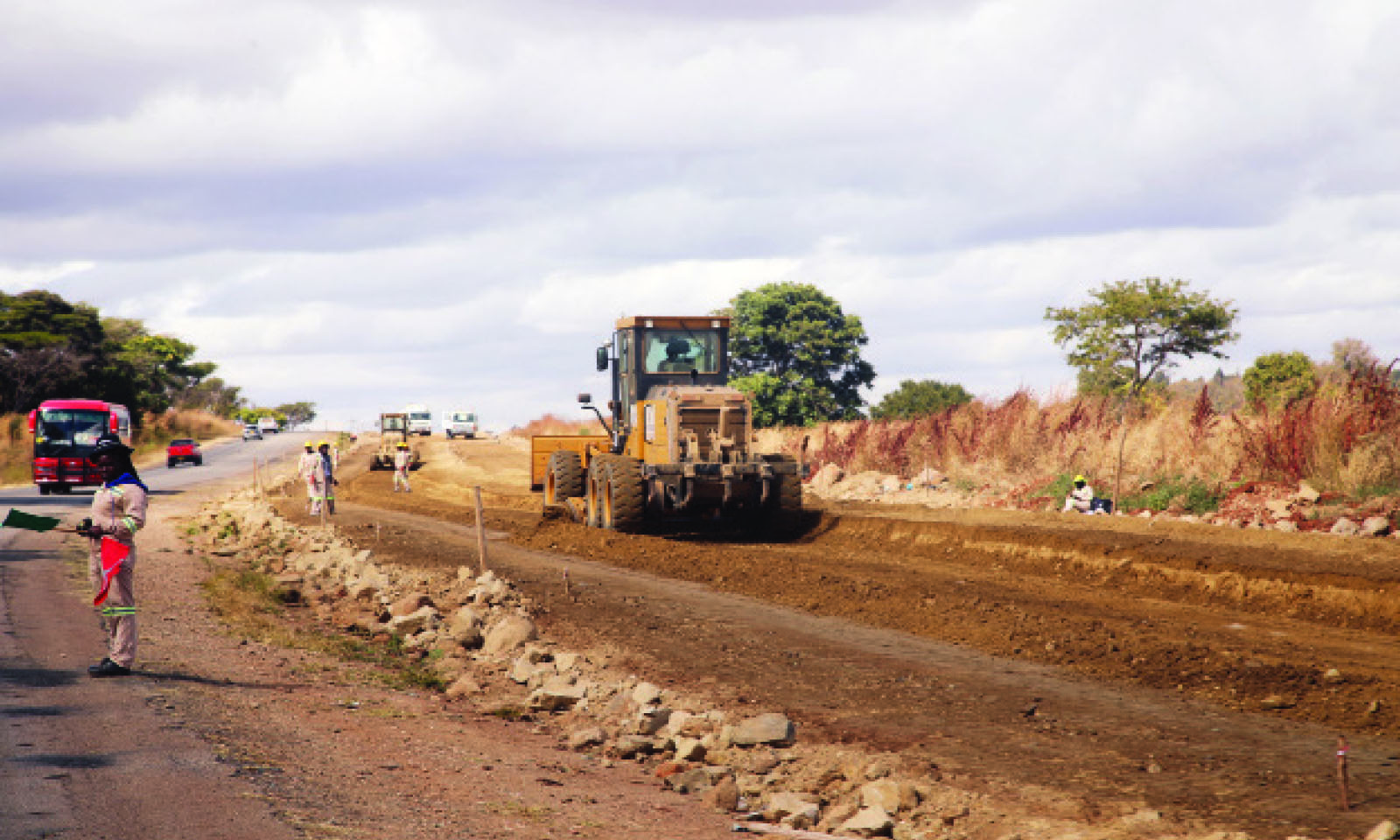
Fungai Lupande
Mashonaland Central Bureau
AS you drive out of Harare heading towards Bindura, a dramatic transformation unfolds before your eyes.
Where a towering mountain once loomed defiantly over the landscape, there now lies a wide, freshly carved passage flanked by large rocks, a testament to human ingenuity and determination.
The once seemingly immovable mountain is being carved away, stone by stone, to make way for progress.
To the west, a steep valley plunges into dense woodland and on the other side a bold path of development.
The Harare-Mazowe highway is being upgraded into a dual carriageway, marking the second phase of the project.
But this is more than just a road. It is a physical manifestation of Zimbabwe’s Vision 2030 and a critical artery supporting the rise of a new administrative capital.
The dualisation promises faster travel, safer routes, and expanded economic opportunities for surrounding communities.
Engineer Virginia Mazvita Mawere, deputy director of Roads Construction in the Ministry of Transport and Infrastructural Development, said the stretch from Harare to Henderson was expected to be completed by October this year.
Construction is already extending an additional eight kilometres beyond the Mvurwi turn-off and a kilometre toward Bindura.
She also revealed plans to relocate the Eskbank tollgate and divide it into two strategic toll points in line with the expanded road network.
This infrastructural upgrade has injected new life into Mazowe, now abuzz with economic activity.
As the new administrative capital takes shape following the completion of the new Parliament Building and the construction of major roads residents of Mazowe are beginning to feel the impact of development.
Harare’s new administrative capital is expected to accommodate 1.5 million residents and help decongest the current city.
Meanwhile, Egypt has reaffirmed its commitment to supporting Zimbabwe with both technical expertise and financially.
Like Zimbabwe, Egypt is undertaking the construction of a new administrative capital.
Their first phase, which includes the relocation of embassies and government ministries, is nearing completion.
A recent visit by Zimbabwean officials to Cairo culminated in the signing of a memorandum of understanding (MOU) to enhance cooperation in infrastructure and urban development.
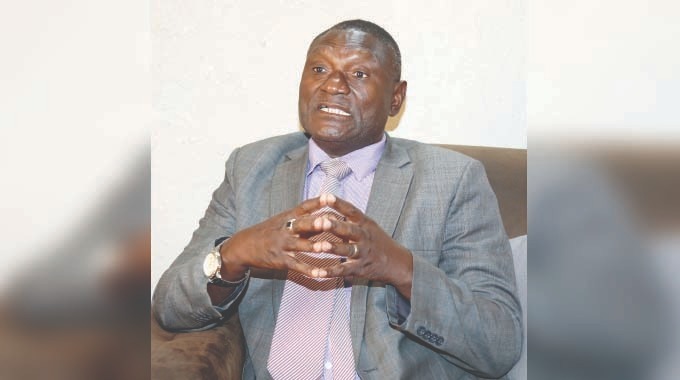
In an interview, Egypt’s Ambassador, Mohamed Higazy, director of the North Africa Regional Office, commended President Mnangagwa’s commitment and praised Zimbabwe’s knowledge base in executing such an ambitious project.
“Zimbabwe can make rapid progress. We have resident engineers in Harare exchanging knowledge with their Zimbabwean counterparts. Egypt has an open-door policy to share our experience in new capital construction and urban planning,” said Ambassador Higazy.
He underscored the importance of intra-African collaboration in infrastructure and finance noting that African ministers of housing had visited Egypt during the World Urban Forum 12 last November.
“We are currently working with several African nations to introduce Egypt’s urban strategy to the continent,” he added.
Amb Higazy expressed hope that his call for the first African contractors’ summit in Egypt would lead to the formation of a Pan-African construction consortium.
“This could benefit not only Zimbabwe but also the reconstruction of Gaza, Sudan, Libya, and Syria,” he said.
“Why should we leave these opportunities to foreign companies when African nations possess immense capabilities?”
He also highlighted Egypt’s Vision 2030, which focuses on sustainable infrastructure and improved quality of life.
“We aim to achieve the UN Sustainable Development Goals by 2030. Our infrastructure is our lifeblood, road development alone has attracted US$75.97 billion in investment, connecting over 7 000 kilometres of roads across Egypt.”
Egypt’s desert-based smart city has become an investment hub, anchored by robust telecom systems and transportation networks.