Online Reporter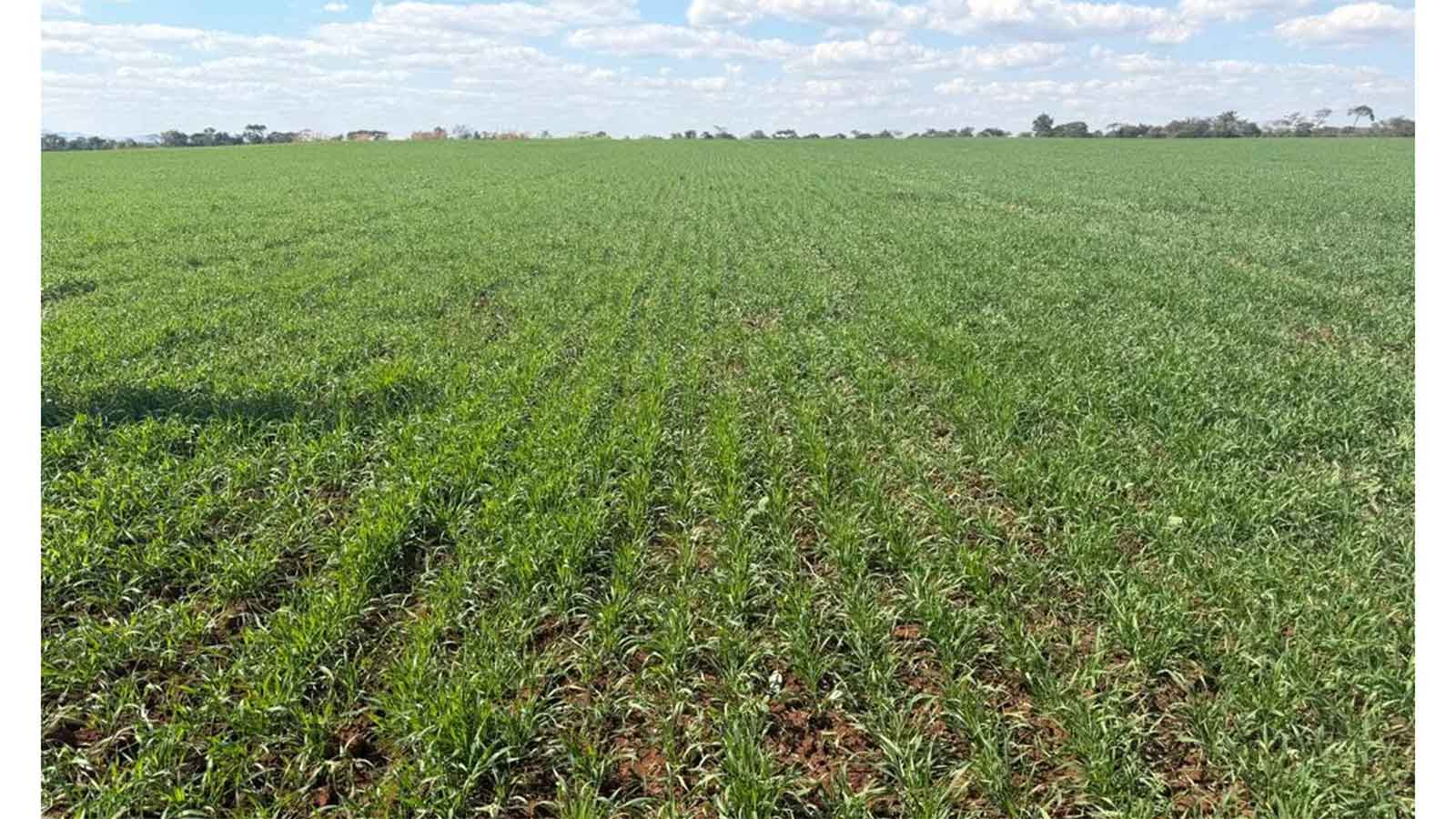
Theseus Mauruki Shambare
MATABELELAND South is emerging as a significant contributor to Zimbabwe’s wheat security after Agricultural and Rural Development Authority (ARDA) Antelope Estate recorded strong winter wheat performance, with the estate targeting yields of more than eight tonnes per hectare from its 633-hectare crop.
The development signals a shift in the province’s agricultural profile, traditionally associated with livestock production, as irrigation-backed cropping continues to unlock its potential in cereal production.
ARDA Matabeleland regional agronomy manager Mr Ndodana Ncube said the estate had made significant progress in wheat production, with the current crop expected to contribute towards national grain reserves.
“At ARDA Antelope Estate, we managed to achieve 633 hectares of wheat. The crop was planted on April 18 and is already reaching maturity stage. We are looking at harvesting at the end of September,” said Mr Ncube.
“We are optimistic that we are going to reach above eight tonnes per hectare, and that is going to be a massive contribution towards Strategic Grain Reserves as ARDA Antelope Estate.”
The strong performance has been attributed to favourable water availability following good rains received during the previous season, as well as improved irrigation reliability.
Mr Ncube said the estate benefited from late April rains, which provided additional soil moisture during the early stages of crop establishment, while Antelope Dam remained full throughout the season.
“This year, we were very lucky. We received rains up to late April. Some of the wheat planted in April germinated through natural rains and that moisture remained adequate in the soils,” he said.
“The dam is full, and we have no water restrictions, so we managed to irrigate without any restriction.”
He added that electricity challenges, which often affect irrigation schemes, were minimised during the season after wheat-growing farms in Matabeleland South were prioritised under a ring-fencing arrangement.
“We communicated any faults to ZESA and the reaction was expeditious,” said Mr Ncube.
The performance at Antelope Estate comes as Government intensifies efforts to increase domestic wheat production and strengthen food security through irrigation expansion and improved utilisation of strategic agricultural assets.
Parliamentary Portfolio Committee on Lands, Agriculture, Fisheries, Water and Rural Development chairperson Hon Felix Maburutse, who toured the estate, said the production levels demonstrated the potential of ARDA farms to contribute meaningfully towards national food security.
He said wheat production in Matabeleland South was strategic as it reduced the distance food products travelled while ensuring communities in the province benefit from locally produced grain.
“This is strategic for this country because they also now get wheat which makes bread within the province, and it improves efficiency,” said Hon Maburutse.
He said production levels of seven tonnes and above per hectare represented commercial farming standards, adding that ARDA’s capacity to independently produce on its estates should be strengthened.
“What we can say is ARDA has good capacity to utilise all their estates on their own. As a committee, what we would advise Government is to resource ARDA so that they can operate their estates to the highest capacity while also assisting small farmers,” he said.
With irrigation infrastructure, improved access to water and commercial-scale production, Matabeleland South is positioning itself as a key player in Zimbabwe’s drive to achieve wheat self-sufficiency and strengthen national food reserves.