

 Vusumuzi Dube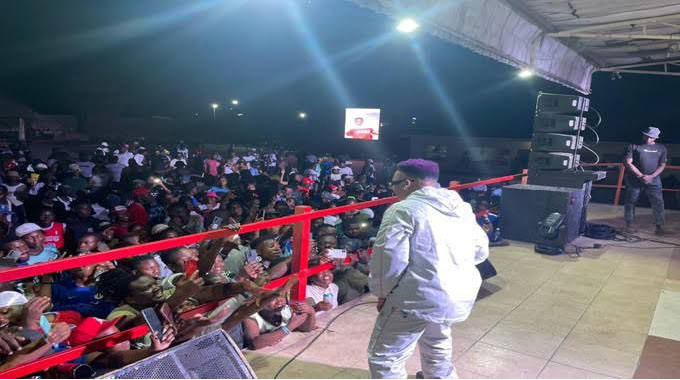
Mthabisi Tshuma, [email protected]
THE past few years have seen towns in Matabeleland South province rise against the odds to establish themselves as emerging live-show destinations.
Around 2023, Filabusi district, driven by the late Farai Taruvinga, a passionate arts promoter, positioned itself as a daring new host of major events.
The small mining town pulled off headline-grabbing shows at the once-popular Scooter Inn, hosting South African heavyweights such as Big Zulu, Reece Madlisa and Danger.
It also began attracting top local acts, including Jah Prayzah, while nurturing homegrown talent such as Mr Ungayithi Vuu, who has become one of its leading success stories.
Continuing this momentum, new players in the district have emerged, bringing in more South African musicians, including DJ Tira and, most recently, Eemoh.
This trend is also taking root in Gwanda, the gold capital, and in Beitbridge, home to one of Africa’s busiest border posts, as both towns steadily carve out reputations as vibrant entertainment hubs. Once considered quiet and sleepy, they are now experiencing what many describe as a cultural renaissance. Regional artistes, mainly from South Africa, now frequent the towns, drawing crowds previously associated only with Bulawayo and Harare.
The ripple effects are significant. Local artistes are increasingly securing slots as supporting acts, sharing stages with established performers and accessing wider audiences.
Restaurants and accommodation facilities have also reported surges in business whenever these shows take place, with patrons travelling from neighbouring districts to be part of the experience.
The transformation began modestly, with a few promoters testing the waters by booking South African acts to perform in the two towns.
The gamble paid off as fans turned out in large numbers, building momentum that soon saw more regional musicians adding Gwanda and Beitbridge to their tour schedules.
Performers who have graced local stages include Nkosazana Daughter, Oskido, Scotts Maphuma, Eemoh, Aymos, Lehleza, Black Diamond, Focalistic and Murumba Pitch.
On the local front, acts such as Alick Macheso, Winky D, Jah Master, Jah Signal, Hwinza and Bazooker have also featured prominently.
This weekend, South Africa’s Kamo Mphela is set to perform in Gwanda, marking the official start of Matabeleland South’s 2026 entertainment calendar, following Eemoh’s show in Filabusi last month.
Renowned Harare-based promoter DJ Dee Nosh, one of the pioneers driving this shift in Matabeleland South and across Zimbabwe, said his focus on smaller towns stemmed from noticing an over-concentration of major events in Harare and Bulawayo.
“Most people had to travel to these cities to experience big shows, and I felt that needed to change. Having started as a DJ and performing across Zimbabwe, I went to Gwanda and realised the potential of smaller towns. With 2 Kings Entertainment, we had done well in Harare, but I felt we had hit a ceiling. So I decided to bring the experience from the capital to towns in Matabeleland, and it’s been amazing.
“There’s more hype in a small town than in Harare. People actually come out and support these shows.
For example, a show in Lupane draws crowds from surrounding rural areas. Entertainment is more respected there compared to bigger cities, where people have too many options,” Dee Nosh said.
He added that he plans to continue investing in smaller towns.
“I have a long way to go. After Gwanda, I want to reach its rural areas and places like Esigodini and Lupane, areas that haven’t even hosted local stars like Jah Master before bringing in international acts. There’s so much untapped potential, and I want to bring world-class shows closer to the people.”
Rapper Mr Ungayithi Vuu, a Filabusi native, said the rise of shows in the province has not only uplifted local artistes but is also inspiring young people.
“People seeing us perform live alongside international acts goes a long way. It shows that dreams can come true and gives kids the belief that anything is possible.
Watching these international artistes perform live in our communities builds confidence and inspires young talent to follow in our footsteps,” he said.
Performing regularly at these events, Mr Ungayithi Vuu — who rose to fame with his hit Ungayithi Vuu — said he has grown from being a one-hit act to keeping crowds entertained for more than four hours with a full set of songs.
Gwanda-based arts advocate Adrian “Drivo” Musa welcomed the development as a major milestone.
“These events promote entertainment and give fans first-hand experiences with their favourite artistes.
At the same time, they offer local creatives a platform to share the stage, build networks, and forge cross-border collaborations. I urge local artistes not just to play supporting roles, but to seize these opportunities fully.
There is real power in collaborations,” said Drivo.
Beitbridge-based arts advocate Vho-Mathe also applauded promoters, among them Tapiwa “Gandz” Gandiwa and Dee Nosh, for their bold efforts.
“Hats off to them for bringing international artistes to Gwanda and Beitbridge, these events are a game-changer.
They create jobs, supercharge local tourism, and shine a much-needed spotlight on our Zimbabwean talent. Gwanda, long starved of entertainment, now buzzes with the right vibes, packed with gigs nearly every weekend. Beitbridge is thriving too.
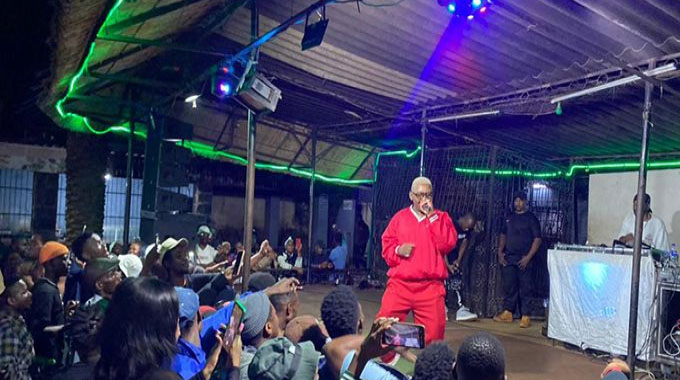
“Thanks to this exposure alongside global stars, our local artistes like Bhadilah, Zhezhingtons, Kay_Kid Umfanomsotho, and others are now landing billed performances across venues. This is great, but we need to build on the momentum with more solo headline slots so they can truly own the stage,” he said.
However, Vho-Mathe cautioned that regional acts should not overshadow the goal of promoting local talent.
“Collaborations are a positive step, but we’ve yet to see a substantial impact on the airwaves.
So far, local artistes from these towns haven’t been featured on tracks or albums of these regional acts, and no visualisers are showcasing their music, except for Zhezhingotons, who featured Dr Malinga.
“All we hear are promises. Our local musicians remain vulnerable, performing in the shadows of these global stars. Yes, the exposure boosts their CVs, but we can’t ignore that these artistes need real opportunities to put bread and butter on the table.
Ultimately, it’s up to our artistes to sharpen their craft, or they’ll stay sidelined. Let’s push for tangible support that truly elevates Zimbabwean talent,” said Vho-Mathe.
Another arts advocate, Sithokozile Sibanda, said the trend reflects broader regional growth.
“The rise of international artistes performing in Gwanda and Beitbridge is a major milestone for Matabeleland. For years, such shows were concentrated in Bulawayo and Harare, so seeing global acts come to our town’s signals real growth.
“It boosts confidence in local markets and highlights the economic potential of these culturally evolving areas.
The exposure challenges local artistes to raise their craft, but these events must never side-line them,” said Sibanda.
– Follow on X: @mthabisi_mthire


 Online Reporter