Online Reporter
Sukulwenkosi Dube-Matutu
[email protected]
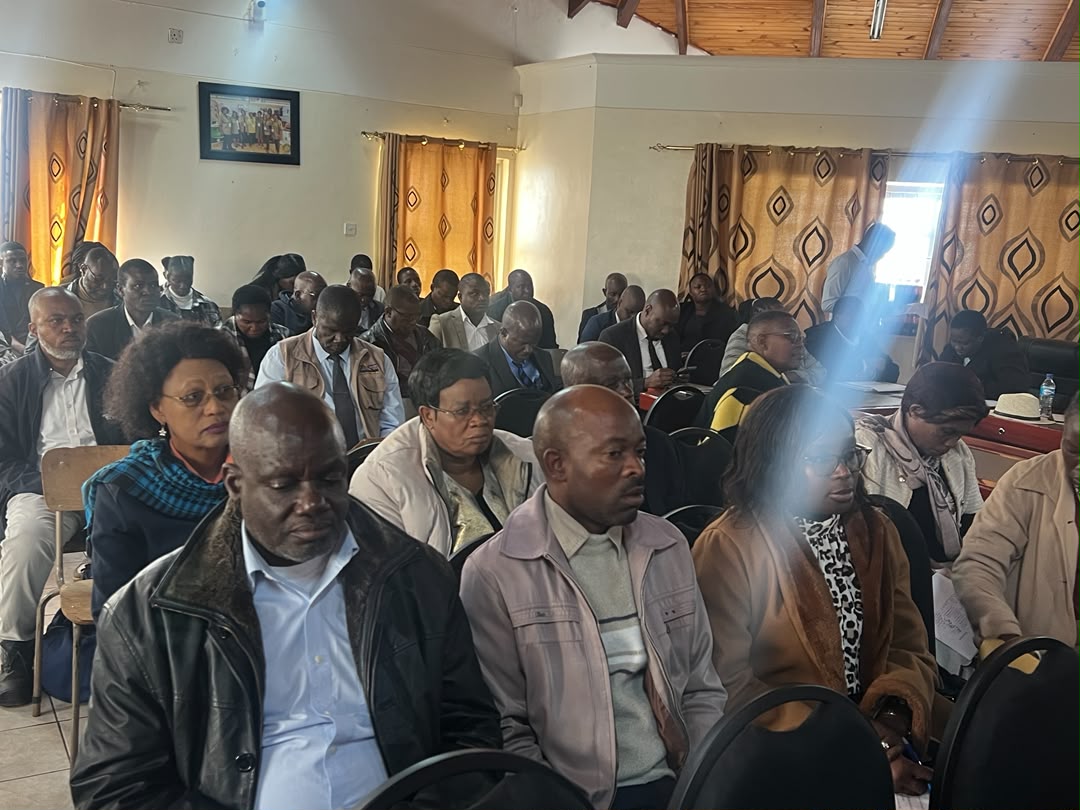
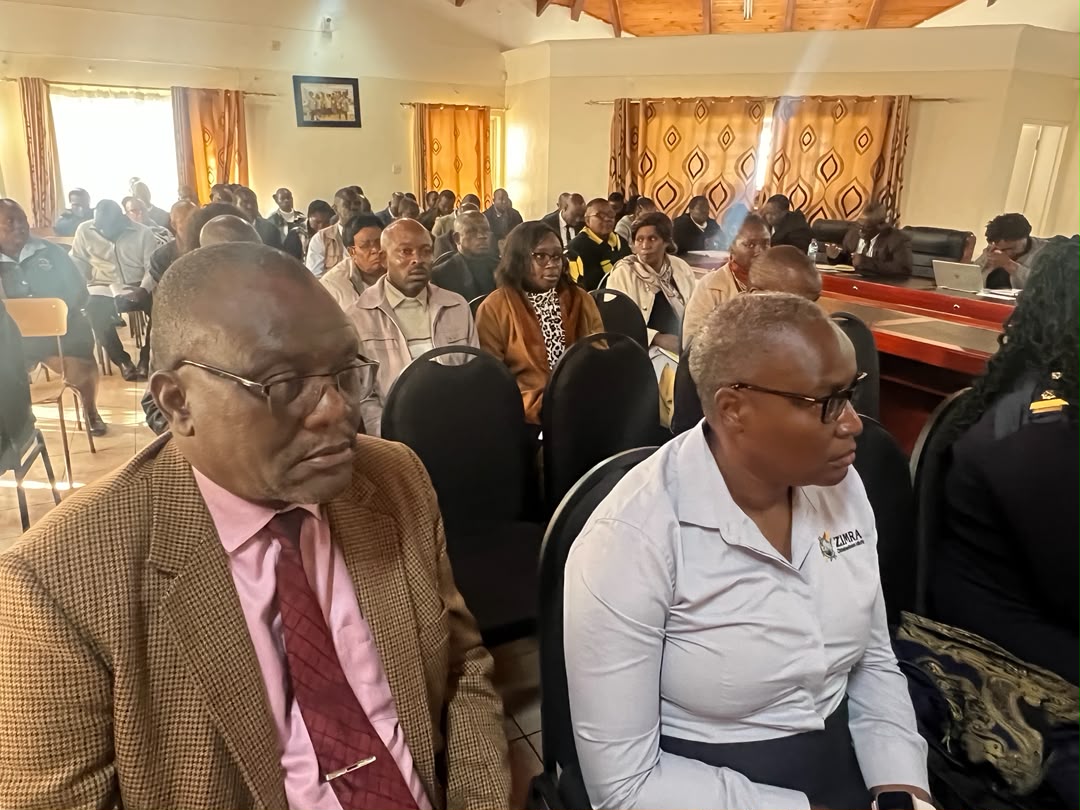
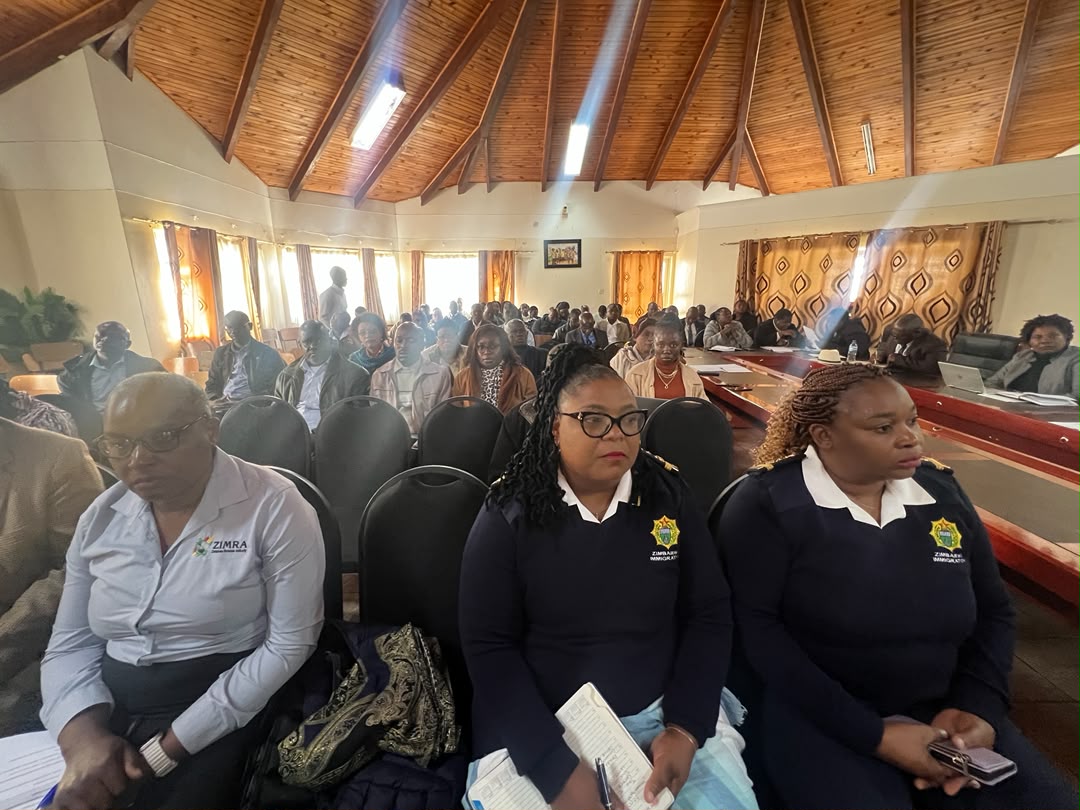
MATABELELAND South is today holding its second-quarter Provincial Development Committee (PDC) meeting as the province steps up efforts to achieve its development targets and priorities.
The meeting brings together ministries, departments and agencies to review progress made since the beginning of the year and assess the implementation of key Government programmes and projects across the province.
In her opening remarks, Secretary for Provincial Affairs and Devolution, Mrs Lathiso Dlamini-Maseko, called on stakeholders to align their activities and plans with national and provincial development frameworks, including Vision 2030, the National Development Strategy 2 (NDS2) and local economic development plans.
She said these frameworks provide a roadmap for sustainable economic growth and improved livelihoods for citizens.
“This meeting provides us with an important opportunity to review the progress made since the beginning of the year and to assess the extent to which we are achieving our development targets and priorities as a province.
“The Provincial Development Committee remains a critical platform for deliberation, coordination, monitoring, and evaluation of the projects and programmes being implemented across the province,” said Mrs Dlamini-Maseko.
She said ministries, departments and agencies have a key role to play in driving the province’s development agenda and ensuring the successful implementation of Government programmes.
“As decision-makers, innovators and change agents we must remain committed to delivering tangible results that contribute towards the realisation of Vision 2030 and the attainment of an empowered upper-middle-income society,” she said.
Mrs Dlamini-Maseko stressed the importance of collaboration among Government institutions and other stakeholders, saying development objectives could only be achieved through collective effort.
“The successful implementation of Government policies, programmes and development projects depends on collective efforts. Whole-of-Government and multi-sectoral approach remains critical in ensuring efficiency, avoiding duplication of efforts and maximising the impact of interventions,” she said.