Chronicle Editor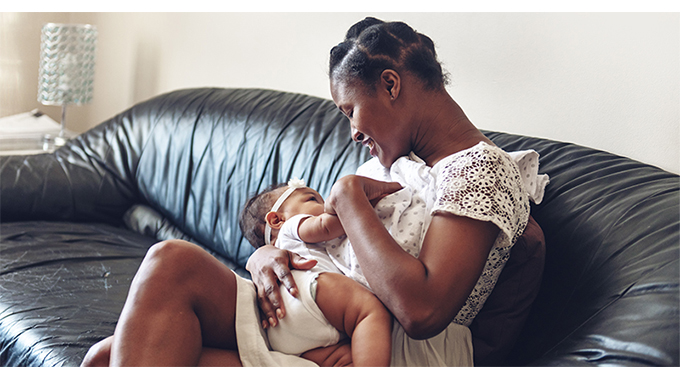
Sukulwenkosi Dube-Matutu, Chronicle Reporter
MATABELELAND South province has established more than 1 000 infant and young child feeding care groups to promote breastfeeding and improve child health and nutrition within communities.
The care groups promote social and behaviour changes through supported peer to peer (mostly mother-to-mother) knowledge sharing.
The aim of most care groups is to promote improved infant nutrition, improve hygiene and increase the number of children who are fully vaccinated and exclusively breastfed for the first six months.
The care groups also support behavioural change in safe infant feeding, frequent hand washing, consistent mosquito net usage, providing suitable complementary foods from six months.
According to the Zimbabwe Vulnerability Assessment Committee (ZimVac) 2022 Rural Livelihoods Assessment Report about 61,6 percent of children were breastfed beyond one year. 90,7 percent of the children were never breastfed.
The recommended practice is for children to be breastfed up to two years or beyond.
Matabeleland South provincial nutritionist, Mr Innocent Mazarura said they were strengthening care groups and formulating new ones to address issues such as breastfeeding of children.
He said some women were not breastfeeding their children as they did not see the need.
“Care groups have been there for sometime but at one point they were not effective. We have now moved in to strengthen the groups and ensure that more are established.
“Under this concept we have mothers educating other mothers on the importance of breastfeeding and other child nutrition issues.
“These mothers who are peer educators are working with health care workers and clinic staff,” he said.
Mr Mazarura added: “The peer educators are first trained on child nutrition and then they go on to form groups of about 10 women each who will then share the knowledge with other mothers.
“We have over 1 000 care groups that are operational in the province.
“We realised instead of only relying on health workers to educate women about child nutrition we can also train women to educate other women, that way they can understand better and relate to the issue.”
He said the care groups had to be within a walking distance so that women could easily access them.
He said some care groups had been established through the assistance of non-governmental organisations and the Ministry of Health and Child Care had moved in to provide them with a standard operating guideline to ensure that operations of all care groups were uniform and their targeted outcome was similar.
Mr Mazarura said in cases where women could not breastfeed to the recommended two years they were being educated on how to supplement their children’s diet.
He said mothers have to secure complementary food to cover the nutritional gap.
Mr Mazarura said they were working with Agritex to identify various livelihood projects which the breastfeeding mothers could undertake for nutritional support.
“Some women stop breastfeeding their children for several genuine reasons but then some just choose to stop without a tangible reason.
“We are saying we want to encourage women to breastfeed children up to the recommended two years and those who can’t have to provide children with a supplementary diet,” he said. — @DubeMatutu



 Online Reporter