Online Reporter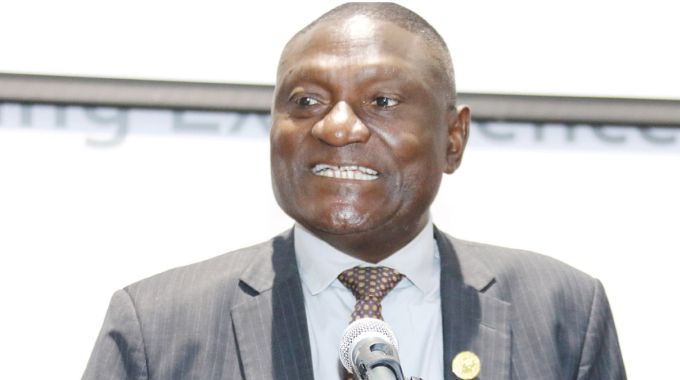
Babongile Gora [email protected]
MATABELELAND South has been challenged to move beyond meetings and financial pledges and channel tangible resources towards combating drug and substance abuse amid growing concern over drug trafficking and use in the province.
The Minister of State for Matabeleland South Provincial Affairs and Devolution, Albert Nguluvhe, said the province required concrete interventions, including the completion of a rehabilitation centre in Gwanda, stronger community-based prevention programmes and increased support for those affected by substance abuse.
Speaking at a provincial drug and substance abuse stakeholder meeting in Gwanda on Monday, Minister Nguluvhe said tackling the scourge required a coordinated response involving Government, the private sector, churches, development partners, traditional leaders, law enforcement agencies and communities.
The meeting brought together officials from Government ministries, departments and agencies, the private sector, churches, academic institutions and the police to assess progress under the pillars of supply reduction, demand reduction, harm reduction, community reintegration, media and communication, and resource mobilisation.
It was also held ahead of a forthcoming visit to the province by the National Drug and Substance Abuse Task Force.
Minister Nguluvhe expressed concern over the wide gap between stakeholder commitments and actual financial contributions towards provincial interventions.
“Against a target of US$250 000 set in the previous year, only US$5 000 was deposited into the provincial drug and substance abuse account. I want to urge all our partners to translate commitments into tangible support,” he said.
Minister Nguluvhe identified the completion of the Gwanda Rehabilitation Centre as one of the province’s most pressing priorities.
The facility, being developed at the former Phakama TB Clinic, requires more than US$145 800 to complete renovations and procure equipment needed to provide treatment and rehabilitation services.
The absence of a functional provincial rehabilitation centre means some people requiring specialised treatment have to be referred outside the province, placing an additional burden on affected families and the health sector.
“We must move beyond meetings, plans and pledges towards concrete interventions that protect our young people, rehabilitate those affected and build drug-free, healthy and resilient communities across Matabeleland South,” said Minister Nguluvhe.
He called on Government institutions, the private sector, development partners and other stakeholders to contribute towards the completion of the facility so that people battling substance abuse can access treatment closer to home.
The minister said drug and substance abuse continued to pose a serious threat to young people, families and communities, making early intervention at community level critical.
Minister Nguluvhe said the province could not afford to wait for the problem to worsen before taking decisive action.
The challenge now, he said, was to transform stakeholder commitments into resources, programmes and services capable of delivering measurable results in communities.
Minister Nguluvhe also urged members of the public to provide information on drug peddling, particularly in areas where trafficking networks were beginning to emerge.
“Where there is rampant drug peddling, there is bound to be an increase in violent turf wars, hence the need to arrest the situation in Beitbridge before it goes out of hand,” he said.
Beitbridge has emerged as a key area of concern due to its proximity to South Africa and the presence of illegal crossing points that can be exploited by drug traffickers.
Defence Minister Oppah Muchinguri-Kashiri, who chairs the national committee on drug and substance abuse, recently called for stronger grassroots structures in border communities to curb trafficking and identify people in need of assistance.
She said Beitbridge should establish active village and ward anti-drug and substance abuse committees chaired by village heads, headmen or chiefs.
The committees would bring together traditional leaders, law enforcement agencies and experts in supply and demand reduction, treatment and rehabilitation, community reintegration, legal and policy matters, media and communication, and resource mobilisation.
“We need to hear cases of drug and substance abuse being tried at our traditional courts. The national and grassroots committees will continue naming and shaming drug lords, peddlers and abusers,” said Minister Muchinguri-Kashiri.
The call comes as Government intensifies its national response to drug and substance abuse through a multi-sectoral approach that combines prevention, enforcement, treatment, rehabilitation and reintegration.
Among the substances commonly abused in communities are crystal methamphetamine, droshky, chimusoja, cocaine, glue, Broncleer and embalming powder.
Health experts have warned that prolonged substance abuse can have devastating consequences, including addiction, behavioural disorders and mental health complications.
Government has identified 61 facilities nationwide for conversion into stand-alone treatment and rehabilitation centres as part of efforts to expand access to services.
Matabeleland South has earmarked three facilities for repurposing: Plumtree Clinic, Gwanda TB Clinic and Phakama.
Nationally, three facilities have already been operationalised at Chipadze in Bindura, Amaveni in Kwekwe and Chinotimba in Victoria Falls.


 Bunjiwe Mkwananzi