Online Reporter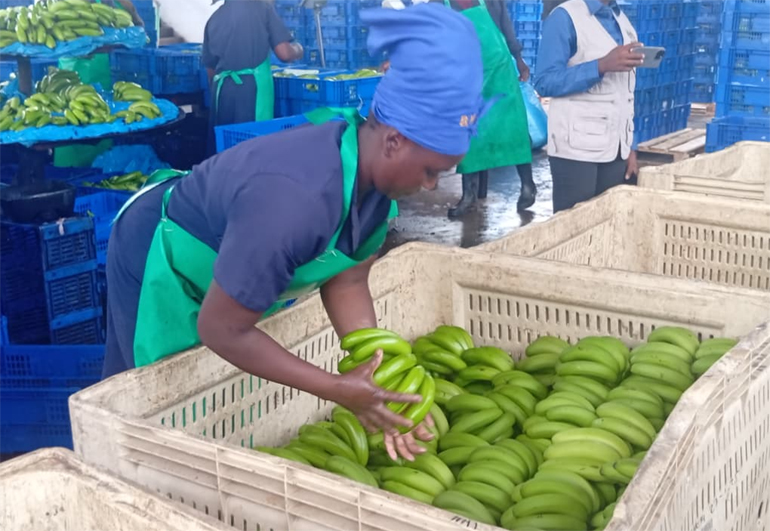
Ray Bande
Senior Reporter
MATANUSKA Private Limited, a banana-producing company in Burma Valley, destroys low-grade bananas that do not meet market quality standards as a measure to prevent deliberate sabotage in the production line by its workers.
The company says the practice is meant to prevent deliberate sabotage in its production line, but community members argue it deprives struggling households of a vital source of food.
Residents of Burma Valley have expressed frustration, insisting that the discarded bananas could help low-income families improve nutrition.
Local farmer Mr. Josphat Manzini criticised the company’s policy, describing it as insensitive to the community’s needs.
“This is heartless. The community here is not affluent. Families could feed themselves with these low-grade bananas and improve household nutrition. We wonder why the company finds it reasonable to completely destroy and dump them. This is something that must be corrected for the benefit of locals,” he said.
Matanuska’s general manager, Mr Crispen Manyuchi, defended the practice, saying it is designed to discourage workers from intentionally producing substandard bananas for personal gain.
“The destruction of bananas that do not meet our quality standards is meant to discourage sabotage in the production line. If workers know they can benefit from substandard products, they may deliberately produce lower-quality bananas to benefit directly at the end,” he explained.
The issue of restricted access to crops is not unique to Matanuska.
In Chiredzi’s sugar belt, large commercial farms often limit access to sugarcane due to concerns over theft and security, a policy that has similarly fuelled frustration among local communities.
Mr Manyuchi emphasized that Matanuska employees are not excluded from the crop, noting that they receive portions of bananas periodically.
“It is important to note that our workers have access to bananas. They receive portions of the product from time to time,” he said, addressing concerns about fairness in crop distribution.
The controversy highlights the tension between commercial farming practices and community needs, raising questions about how agribusinesses can balance profitability with social responsibility in rural Zimbabwe.